Yes. A dental cap and a dental crown are the same type of restoration. “Cap” is an informal term because the restoration covers the prepared tooth, while “crown” is the term more commonly used by dentists. Crowns may be recommended for badly broken, cracked, decayed or heavily restored teeth, depending on the individual tooth.
If your dentist recommends a crown but you have heard someone refer to a tooth cap, there is no separate treatment to compare. They are talking about the same thing.
This guide explains the terminology, why crowns are used, the materials available and the basic treatment process. For a more detailed appointment-by-appointment explanation, see our complete dental crown procedure guide.
Dental Cap vs Crown: Is There Any Difference?
In practical dental terms, no.
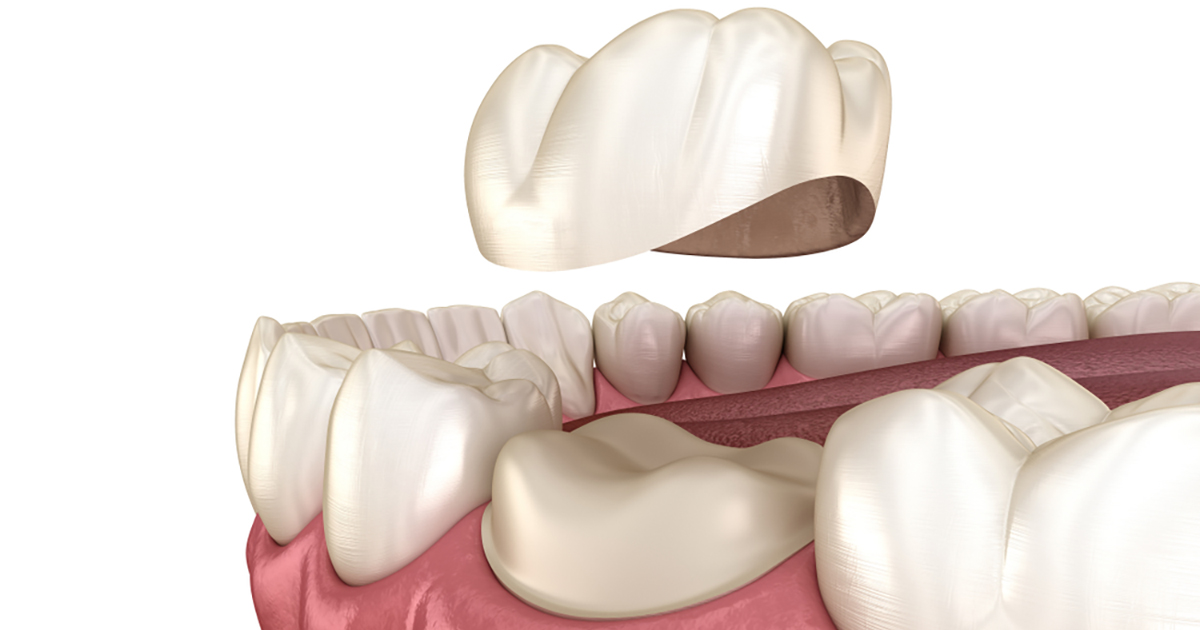
A crown is a custom-made restoration that fits over the prepared visible portion of a natural tooth. The word “cap” became a common way of describing it because the restoration effectively covers the tooth.
You may therefore hear:
- dental cap
- tooth cap
- dental crown
- tooth crown
These terms generally refer to the same restoration.
Dentists are more likely to use the word crown when discussing your diagnosis, treatment plan and dental records.
A crown should not be confused with a veneer. A veneer mainly covers the front surface of a tooth, whereas a crown surrounds much more of the prepared tooth.
What Does a Dental Crown Do?
A crown is designed to restore a tooth that needs more coverage than a straightforward filling can provide.
After the natural tooth is prepared, the crown fits over the remaining structure and restores its external shape.
A dentist may recommend a crown when a tooth is:
- badly broken
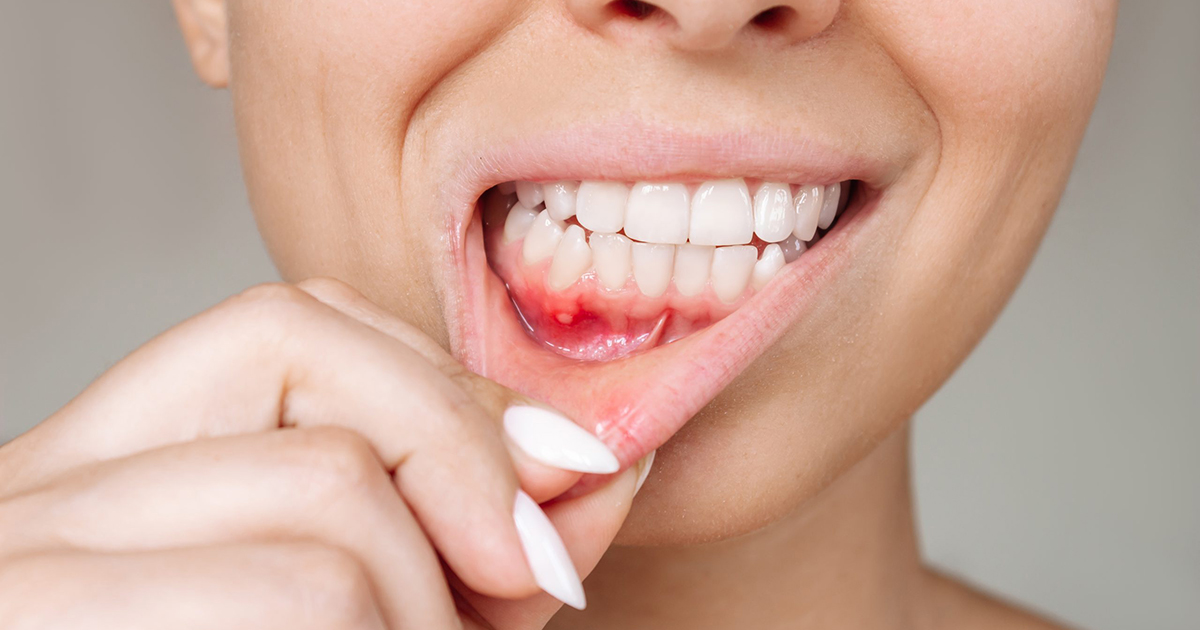
- cracked
- significantly affected by decay
- heavily restored with a large filling
- weakened and in need of additional protection
- being restored after root canal treatment in circumstances where a crown is appropriate
Crowns can improve both function and appearance, but whether one is necessary depends on how much healthy tooth remains and the condition of the individual tooth. Australian dental guidance notes that crowns are commonly used for badly broken, cracked or decayed teeth and are also often considered for root-treated premolars and molars.
You can learn more about when Oakstone may recommend dental crowns on our treatment page.
Is a Crown Better Than a Filling?
Not automatically.
A filling and a crown restore teeth in different ways. If a tooth has a relatively small area of damage and enough healthy structure remains, a filling may be sufficient.
A crown becomes more relevant when the tooth needs broader coverage or additional structural support.
The choice may depend on factors such as the size of an existing filling, cracks, decay, the amount of sound tooth remaining and the forces placed on the tooth when you bite.
The aim should be to choose an appropriate restoration for the tooth rather than placing a crown simply because it is the more extensive treatment.
Why Might You Need a Crown After Root Canal Treatment?
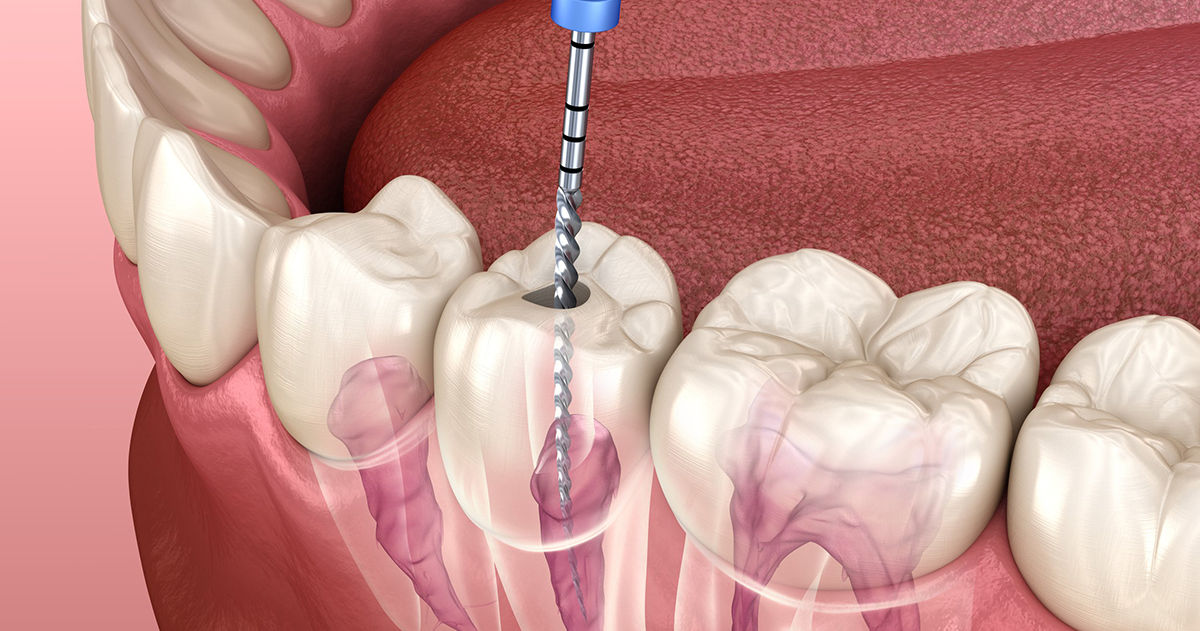
Some teeth need a crown after root canal treatment because they have already lost a substantial amount of natural structure through decay, fractures or previous fillings.
Back teeth also experience significant chewing forces.
However, a root canal does not automatically mean every tooth requires exactly the same final restoration. A filling or another restoration may sometimes be appropriate depending on the tooth.
If this is the reason you are researching crowns, our guide to root canal and crown treatment explains the decision in more detail.
What Are Dental Caps or Crowns Made From?
Crowns can be produced from several materials.
Common options include porcelain, zirconia, metal alloys and combinations of porcelain and metal. Tooth-coloured materials can be selected to blend with surrounding teeth where appropriate.
Porcelain and ceramic crowns
Porcelain and other ceramics can provide a natural-looking result because their colour can be matched to neighbouring teeth.
The exact material chosen depends on where the tooth is located and what the restoration needs to achieve.
Zirconia crowns
Zirconia is a strong ceramic material used for dental crowns.
It can be suitable in areas where strength is important while still allowing the restoration to be tooth coloured.
Metal-containing crowns
Crowns may also be made from metal alloys or porcelain fused to metal.
These materials can still have a role in particular clinical situations, although the most suitable choice depends on the location of the tooth, appearance requirements, available space and biting forces.
Your dentist should explain why a particular crown material is being recommended rather than assuming one material is best for every tooth.
How Is a Dental Cap or Crown Fitted?
Traditional crown treatment commonly takes two appointments.
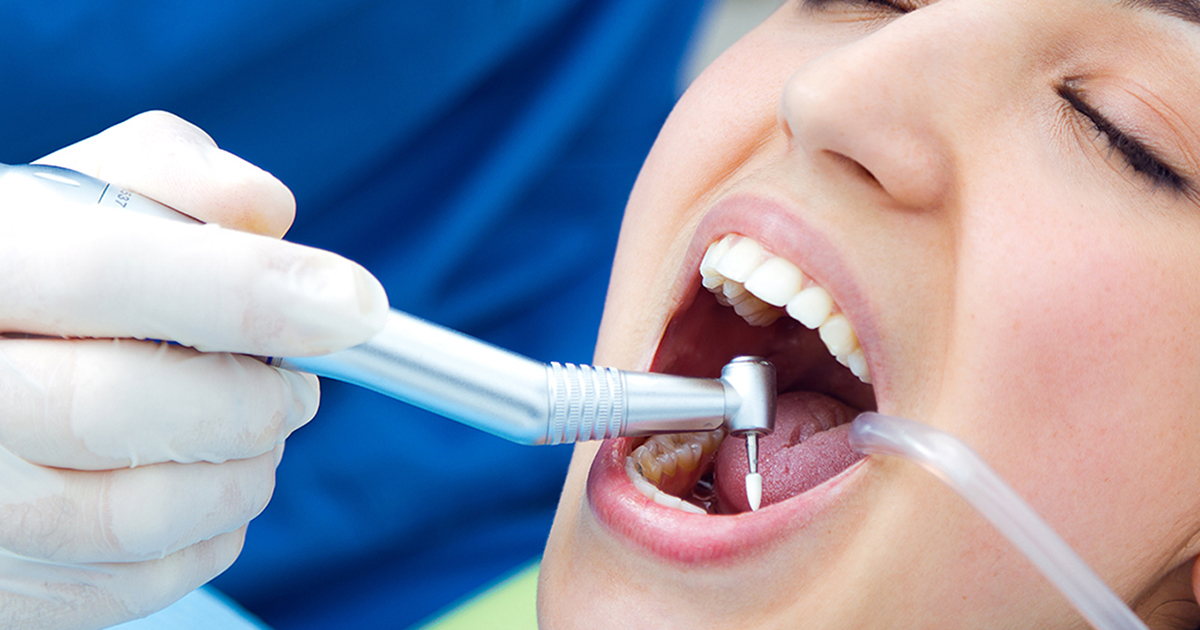
At the first appointment, the dentist assesses and prepares the tooth so there is enough room for the crown.
An impression or digital scan is then used to record the prepared tooth and surrounding teeth. This information allows the crown to be made to the required shape and fit.
A temporary crown may be placed while the final restoration is being made.
At the second appointment, the temporary crown is removed. The final crown is checked for fit and bite before being cemented or bonded into position.
The exact process can vary depending on the tooth and the techniques used by the dental practice.
For a fuller explanation of preparation, temporary crowns, fitting and recovery, read our step-by-step dental crown procedure guide.
Does Getting a Dental Crown Hurt?
Local anaesthetic is commonly used while the tooth is being prepared, so the area is numb during treatment.
You may still notice pressure, vibration or movement.
Some people experience temporary sensitivity or gum tenderness after crown preparation. How the tooth feels afterwards depends partly on its condition before treatment and the amount of work required.
Persistent or increasing pain should be assessed rather than assumed to be a normal part of having a crown.
How Much Does a Dental Cap or Crown Cost?
Because a dental cap and crown are the same restoration, there is no separate “cap price”.
The cost of crown treatment can vary according to the individual case. Factors may include:
- the material selected
- the condition of the tooth
- how much preparation or rebuilding is required
- whether other dental treatment is needed first
- laboratory requirements
- the complexity of the restoration
A heavily damaged tooth that requires significant preparation may involve a different treatment plan from a relatively straightforward crown.
The most useful approach is to have the tooth assessed and ask for a written treatment plan showing what is included.
How Long Does a Dental Crown Last?
There is no guaranteed lifespan for a crown.
Its longevity can be influenced by the condition of the supporting tooth, the restoration itself, your bite, teeth grinding, oral hygiene and whether decay develops around the crown margin.
A crowned tooth still needs regular care. Crowns can chip, fracture or eventually require replacement, and the natural tooth underneath can still develop decay.
Brush twice daily with fluoride toothpaste and clean between your teeth every day, paying particular attention to the area where the crown meets the natural tooth.
Can a Crown Fall Off?
A crown can occasionally become loose or come off.
Possible reasons include deterioration of the cement, decay in the supporting tooth, damage to the crown or changes to the tooth underneath.
If a crown comes off, keep it somewhere safe and arrange a dental appointment. Avoid trying to permanently glue it back yourself.
If you develop significant pain or the tooth breaks, Oakstone Dental also provides emergency dental care.
Frequently Asked Questions About Dental Caps and Crowns
Are dental caps and crowns exactly the same thing?
Yes. A dental cap and dental crown refer to the same general restoration.
“Cap” is an informal description based on how the restoration covers the prepared tooth. “Crown” is the term more commonly used in modern dentistry.
Why do some people call crowns caps?
The term became popular because a crown covers the prepared portion of the tooth in a way that resembles a cap.
You may still hear patients, family members and older dental information use “cap”, even though your dentist will probably call the restoration a crown.
Is a tooth cap permanent?
A crown is intended to be a long-term restoration, but it should not be considered permanent in the sense that it can never need further treatment.
Crowns can wear, chip, loosen or require replacement, and the natural tooth supporting the crown can still develop decay.
Can you put a cap over a broken tooth?
A crown may be suitable for some broken teeth, but the tooth needs to be assessed first.
The dentist needs to determine how much healthy structure remains, whether there is decay, whether the crack extends deeply into the tooth and whether the tooth can be predictably restored.
Are porcelain and zirconia crowns the same?
No. They are different dental materials, although both can be used to produce tooth-coloured crowns.
The choice depends on factors such as tooth position, strength requirements, available space and appearance. There is no single crown material that is automatically best for every patient.
Do you always need a crown after a root canal?
No. A crown is commonly considered for root-treated back teeth, but the final restoration depends on the tooth and how much healthy structure remains.
Your dentist should assess the tooth before deciding whether a crown, filling or another restoration is appropriate.
Is a crown the same as a veneer?
No.
A crown covers much more of the prepared tooth. A veneer is a thinner restoration generally applied to the front surface of a tooth, often to change its appearance.
Is a crown the same as an implant?
No.
A crown is the visible restoration. It can sit over a prepared natural tooth, or a different type of crown can form the visible tooth attached to a dental implant.
A dental implant itself replaces the missing tooth root within the jawbone.
Dental Cap or Crown: The Name Is Different, the Treatment Is the Same
If you have been searching for the difference between a dental cap and a crown, the answer is simple: they are two names for the same type of restoration.
What matters more is why your tooth needs a crown, how much healthy tooth remains and which material and treatment approach are appropriate for your circumstances.
For detailed information about treatment, temporary crowns, fitting and aftercare, read our dental crown procedure guide.
If you are considering treatment for a cracked, heavily filled or damaged tooth, you can also learn about dental crowns at Oakstone Dental or contact Oakstone Dental to arrange an assessment.