Losing a tooth can change more than the appearance of your smile. It may affect how you chew, how clearly you speak and how the rest of your teeth sit together.
If you are considering missing teeth replacement, two options you may hear about are dental bridges and dentures. Both can replace missing teeth, but they work in different ways. The appropriate option depends on factors such as how many teeth are missing, where the gaps are, the health of your remaining teeth and gums, your bite, your budget and your treatment preferences.
At Oakstone Dental in Oakleigh, your dentist can assess your mouth and explain which tooth-replacement options may be suitable for your individual circumstances.
This guide compares a dental bridge vs denture so you can understand the main differences before discussing treatment with your dentist.
What Is a Dental Bridge?
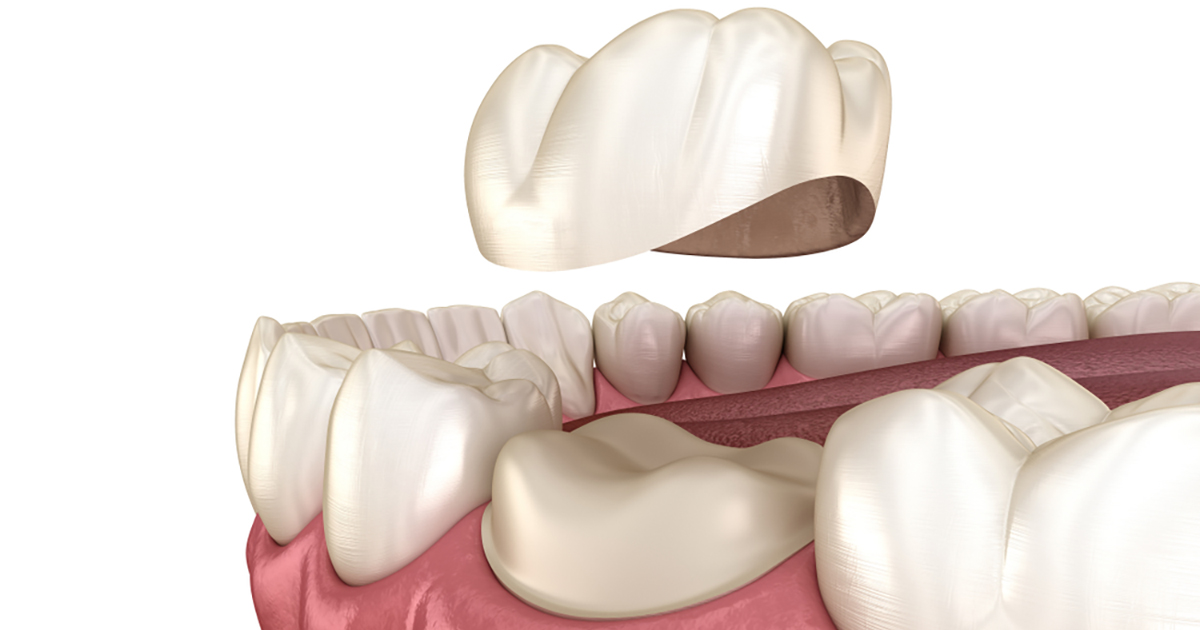
A dental bridge is a fixed dental restoration used to replace one or more missing teeth.
It is called a bridge because it spans the gap left by a missing tooth. A traditional dental bridge is commonly supported by suitable teeth on either side of the space. These supporting teeth are prepared for crowns, with an artificial replacement tooth connected between them.
Other bridge designs may use different forms of support, including dental implants.
Once fitted, a fixed bridge remains in the mouth and is not removed each day like a conventional denture.
A bridge may be considered when there is appropriate support around the missing-tooth space and the surrounding teeth, gums and bite are suitable.
You can find more information about dental bridges at Oakstone Dental. Healthdirect Australia also provides independent information about dental bridges and how they are used to replace missing teeth.
What Are Dentures?
Dentures are removable appliances used to replace missing teeth.
They may replace several teeth or an entire arch.
Partial Dentures
Partial dentures are used when some natural teeth remain. Depending on their design, they may gain support or retention from the gums and remaining teeth.
Full Dentures
Full dentures replace all teeth in the upper jaw, lower jaw or both.
Dentures generally have artificial teeth attached to a gum-coloured base. Depending on the type, they may be retained by the shape of the mouth, clasps, implants or other features.
Unlike a conventional dental bridge, dentures can be removed for cleaning. Your dental professional can also advise when they should be removed for sleeping.
The Australian Dental Association provides further information about dentures and the different types available.
Dental Bridge vs Denture: What Is the Main Difference?
The simplest distinction is:
A dental bridge is generally fixed in place.
A conventional denture is removable.
This affects how each restoration feels, functions, is cleaned and fits into everyday life.
A bridge may be supported by natural teeth or implants and remains in the mouth.
A denture is designed so the patient can remove it. Partial dentures may use remaining teeth for additional support or retention, while full dentures generally rest on the gums.
Neither option is automatically more suitable. The decision depends on your individual oral health and treatment needs.
When Might a Dental Bridge Be Suitable?
A dental bridge may be considered when one tooth or a small number of teeth are missing in the same area.
Your dentist needs to assess whether appropriate support is available.
A bridge may be discussed if:
- One or more teeth are missing
- Suitable supporting teeth are available
- Your gums are healthy enough for treatment
- Your bite can accommodate the restoration
- You prefer a fixed tooth replacement
- Dental implants are not suitable or are not your preferred option
- The neighbouring teeth already require crowns or significant restoration
A traditional bridge usually requires preparation of supporting teeth for crowns. If those neighbouring teeth are healthy and minimally restored, your dentist may discuss whether preparing them is appropriate or whether other options should be considered.
A bridge may also be unsuitable when potential supporting teeth are significantly weakened, mobile or affected by untreated dental or gum disease.
The Oakstone Dental team can assess your missing-tooth area, supporting teeth and bite before recommending treatment.
When Might Dentures Be Suitable?
Dentures may be considered when several teeth are missing, particularly if the gaps are in different areas of the mouth.
They may also be considered when:
- A removable option is preferred
- A fixed bridge is not appropriate
- Several teeth need replacing
- All teeth in an upper or lower arch are missing
- A transitional tooth-replacement option is required
- A patient prefers not to pursue certain fixed treatment options
Partial dentures can replace individual missing teeth or multiple gaps while natural teeth remain.
Full dentures replace an entire arch of missing teeth.
Dentures can be a practical treatment option, but they may require an adjustment period. Some people need time to become accustomed to speaking, eating and cleaning with a new denture.
Fit can also change over time as the gums and jawbone change, so ongoing dental review remains important.
Dental Bridge vs Denture: Comfort and Feel
A dental bridge is fixed in place, so some patients find that it feels more integrated into their bite than a removable appliance.
A new denture may feel unfamiliar initially. Depending on the individual, there may be changes in:
- Speech
- Saliva
- Chewing
- Pressure on the gums
- Awareness of the appliance
Adjustment varies considerably between patients.
Comfort with either option depends on factors such as:
- Fit
- Bite
- Gum health
- Jaw shape
- Available support
- Number and position of missing teeth
- Restoration design
Persistent soreness, instability or discomfort should be assessed rather than ignored.
Dental Bridge vs Denture for Eating and Chewing
Both bridges and dentures can help restore chewing function, but they may feel different when eating.
Because a bridge is fixed to its supporting structures, it may provide stable chewing support in an appropriate case.
Dentures can also improve chewing when teeth are missing, but adapting to them may take practice. Certain hard, sticky or chewy foods can be more challenging for some denture wearers.
The level of function you can expect depends on factors such as:
- How many teeth are being replaced
- Where the missing teeth are
- Your bite
- Remaining teeth
- Gum and bone support
- The design and fit of the restoration
If chewing is an important concern, discuss this with your dentist during treatment planning so you understand what may reasonably be expected from each option.
Dental Bridge vs Denture: Appearance
Both dental bridges and dentures can be designed to coordinate with surrounding teeth.
The final appearance can be influenced by:
- Tooth shape
- Tooth shade
- Materials
- Gum contours
- Position of the missing teeth
- Remaining natural teeth
- Restoration design
A bridge can provide a fixed tooth replacement that blends with nearby teeth in suitable cases.
Dentures can also use natural-looking artificial teeth and gum-coloured materials. Depending on the design of a partial denture, some components such as clasps may occasionally be visible.
Results vary according to the individual mouth, so it is important to discuss realistic expectations during treatment planning.
Cleaning and Maintenance
Dental bridges and dentures require different cleaning routines.
Cleaning a Dental Bridge
A bridge should be brushed regularly, but additional cleaning is generally required underneath the artificial tooth and around supporting teeth.
Your dentist or dental hygienist may recommend:
- Floss threaders
- Interdental brushes
- Specialised floss
- Other cleaning aids suited to the bridge design
Cleaning is important because natural teeth supporting the bridge can still develop decay or gum disease.
Cleaning Dentures
Dentures need regular removal and cleaning.
You also need to clean your:
- Remaining natural teeth
- Gums
- Tongue
- Other oral tissues as advised
Your dental professional can recommend appropriate cleaning products and explain how to store your denture when it is not being worn.
Both bridges and dentures require ongoing professional dental care.
Dental Bridge vs Denture Cost
Cost is an important consideration when comparing a dental bridge and denture, but there is no single price that applies to every patient.
Factors affecting bridge costs can include:
- Number of teeth being replaced
- Number of supporting teeth requiring treatment
- Bridge design
- Materials
- Laboratory requirements
- Whether additional dental treatment is required
Denture costs can vary according to:
- Partial or full denture design
- Number of missing teeth
- Materials
- Complexity
- Additional treatment
- Adjustments required
A removable denture may have a lower initial cost than some fixed bridge treatments, but this varies between cases.
Cost should be considered alongside suitability, maintenance, function and the condition of your remaining teeth.
Your dentist can provide a personalised treatment plan and estimate after examining your mouth.
Longevity and Future Care
There is no guaranteed lifespan for either a dental bridge or denture.
A bridge may function for many years in some patients, but its longevity depends on factors such as:
- Health of supporting teeth
- Gum health
- Oral hygiene
- Bite forces
- Grinding or clenching
- Restoration materials
- Regular dental care
Problems with decay, gum disease, supporting teeth or the bridge itself can eventually lead to repair or replacement.
Dentures also require ongoing care. As the gums and jawbone change over time, a denture may eventually require:
- Adjustment
- Relining
- Repair
- Replacement
Regular reviews allow your dental professional to assess fit, function and the health of the surrounding tissues.
Potential Advantages of a Dental Bridge
A dental bridge may offer several benefits when it is appropriate for the individual patient.
These may include:
- Fixed tooth replacement
- Restoration of chewing support
- Filling a visible gap
- Maintaining space between neighbouring teeth
- Reducing unwanted tooth movement
- Avoiding the need to remove an appliance each day
A traditional bridge does, however, generally require preparation of neighbouring teeth. This needs to be considered carefully when those teeth are otherwise healthy.
Potential Advantages of Dentures
Dentures can replace several missing teeth and may be appropriate for a broad range of tooth-loss situations.
Potential advantages may include:
- Replacing multiple teeth at once
- Replacing teeth in different parts of the mouth
- A removable design
- The ability to replace an entire arch
- Avoiding preparation of neighbouring teeth in the same way as a traditional bridge
- Use as a transitional option in some treatment plans
Dentures also have limitations. They can feel different from natural teeth, may require an adjustment period and generally require ongoing maintenance as the mouth changes.
Dental Bridge or Denture: Which Option Is Suitable?
There is no single answer that applies to everyone.
A dental bridge may be considered when a small number of teeth are missing in one area and suitable support is available.
A denture may be considered when several teeth are missing, gaps occur in different areas or a removable option is preferred.
Other tooth-replacement treatments, including dental implants, may also be discussed.
Your dentist may consider:
- The number of missing teeth
- Where the gaps are located
- The condition of remaining teeth
- Gum health
- Available bone
- Your bite
- Existing dental restorations
- Oral hygiene
- Treatment preferences
- Budget and maintenance requirements
The most appropriate recommendation depends on your individual assessment rather than general advantages or disadvantages alone.
Choosing Between a Dental Bridge and Denture in Oakleigh
If you are comparing dental bridges and dentures, the next step is to have your mouth professionally assessed.
At Oakstone Dental in Oakleigh, your dentist can examine:
- The number and position of missing teeth
- Remaining teeth
- Gum health
- Bite
- Existing restorations
- Available support
- Your preferences and treatment goals
A consultation also allows you to discuss treatment stages, possible risks and limitations, maintenance requirements and costs.
If you would like to discuss your missing teeth replacement options, you can book an appointment with Oakstone Dental online.
Final Thoughts
A dental bridge and denture can both replace missing teeth, but they work in different ways.
A bridge is generally fixed and relies on suitable teeth or implants for support. A conventional denture is removable and can often replace several teeth or an entire arch.
Neither treatment is universally preferable. Your oral health, remaining teeth, gums, bite, number of missing teeth and treatment preferences all need to be considered before a recommendation is made.
If you are comparing a dental bridge vs denture and would like individual advice, contact Oakstone Dental to arrange an assessment and discuss the tooth-replacement options that may be suitable for you.
FAQs
Is a dental bridge better than a denture?
Neither option is automatically better for everyone. A bridge may be considered when suitable support is available and a fixed restoration is preferred. A denture may be appropriate when several teeth are missing or a removable option is preferred. A dentist needs to assess your mouth before recommending treatment.
Are dentures only for people missing all their teeth?
No. Partial dentures can replace one or more missing teeth while natural teeth remain. Full dentures are used when all teeth in an upper or lower arch are missing.
Can a dental bridge replace more than one tooth?
A dental bridge can replace more than one missing tooth in selected cases. Suitability depends on factors such as the size and position of the gap, available support, health of supporting teeth or implants and bite forces.
Do dental bridges and dentures look natural?
Both can be designed to coordinate with surrounding teeth and oral tissues. The final appearance depends on the materials, design, tooth position, gums and individual treatment circumstances. Your dentist can discuss realistic expectations during treatment planning.
How do I know which missing teeth replacement option is right for me?
A dental assessment is needed to determine which options may be suitable. Your dentist can examine your teeth, gums, bite and missing-tooth areas and discuss whether a dental bridge, denture, implant or another approach is appropriate for your individual circumstances.