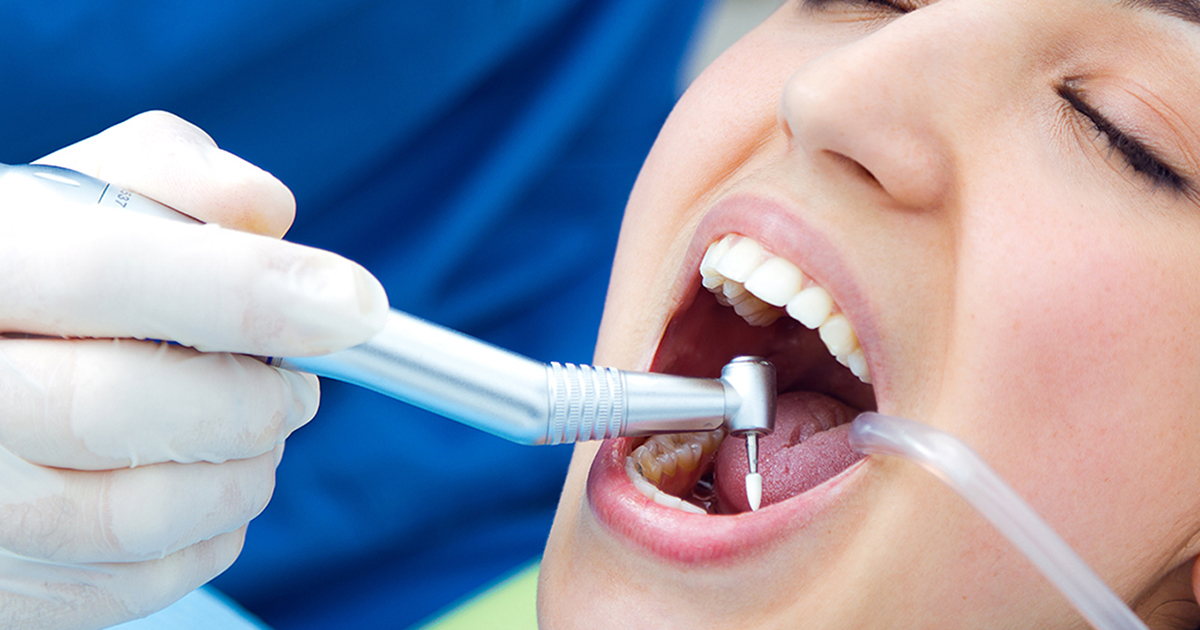
Not everyone needs local anaesthetic for a dental deep cleaning, but it is commonly used when cleaning needs to extend deeper below the gums or when the teeth and gums are sensitive. The decision depends on the extent of gum disease, the areas being treated, your comfort and the type of periodontal cleaning required.
If your dentist has recommended a “deep clean”, you may be wondering whether that means injections, numbness or a painful appointment.
The first thing to understand is that a deep dental cleaning is not the same as a routine professional clean.
In Australia, deep cleaning may be described as non-surgical periodontal treatment, periodontal debridement or deep scaling. You may also see the term “scaling and root planing”, particularly on overseas websites.
The purpose is to remove plaque and hardened tartar from areas affected by gum disease, including below the gumline. Because these areas can be inflamed or sensitive, local anaesthetic is often helpful — but it is not automatically required for every patient or every area of the mouth.
Routine Dental Clean vs Deep Cleaning: What’s the Difference?
A routine dental clean is generally part of preventive dental care.
At Oakstone Dental, a standard check-up and professional clean involves examining the teeth and gums and removing plaque and tartar, followed by polishing.
A periodontal deep cleaning goes further when gum disease has created areas below the gumline that require more thorough treatment.
| Routine dental clean | Periodontal deep cleaning |
| Primarily preventive care | Used when gum disease requires more involved cleaning |
| Removes plaque and tartar from accessible tooth surfaces and around the gumline | Removes deposits from deeper below the gumline |
| Usually completed during a standard hygiene appointment | May require longer or multiple appointments |
| Local anaesthetic is often unnecessary | Local anaesthetic is commonly used when deeper areas are treated |
| Suitable for generally healthy gums or routine maintenance | Intended to help control periodontal disease |
A periodontal deep clean may involve removing plaque and tartar from below the gums, where deposits can accumulate on the tooth and root surfaces.
That deeper treatment is why the experience can be different from your usual clean.
So, When Is Local Anaesthetic Needed for a Deep Cleaning?
There is no single rule that says every deep cleaning must be performed with local anaesthetic.
Your dental professional considers how much treatment is needed and how comfortable you are likely to be without numbing.
Local anaesthetic may be more likely when:
- periodontal pockets are deeper
- there is substantial tartar below the gumline
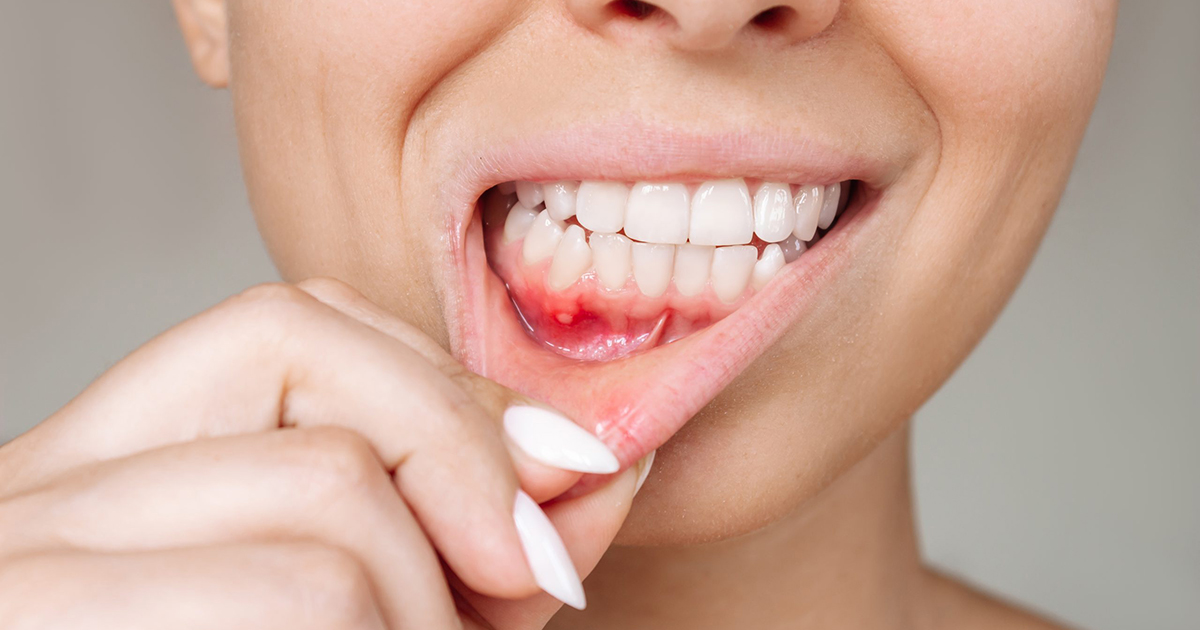
- the gums are very inflamed or tender
- exposed root surfaces are sensitive
- several teeth require thorough treatment
- the procedure is expected to take longer
- you have experienced discomfort during periodontal cleaning before
Non-surgical periodontal treatment is often completed over several visits, and local anaesthetic may be used to numb the teeth and gums during deeper cleaning.
The aim is not to numb everyone automatically. It is to make sure the treatment can be completed thoroughly while keeping you comfortable.
When Might Deep Cleaning Be Done Without Local Anaesthetic?
Some patients can comfortably have periodontal cleaning without an injection.
This may be possible when:
- only a small area needs deeper cleaning
- deposits are relatively accessible
- gum inflammation is mild
- the teeth are not particularly sensitive
- the treatment required is less extensive
- you remain comfortable throughout the procedure
Your dentist or dental professional can usually assess this before and during treatment.
If an area becomes uncomfortable, tell them. There is no benefit in trying to “push through” significant pain when appropriate pain control can be discussed.
What Does Local Anaesthetic Actually Do?
A local anaesthetic temporarily blocks pain signals from the area being treated.
You remain awake and aware throughout the appointment, but the numbed area should not feel sharp pain. You may still notice pressure, vibration or movement.
Local anaesthetic is commonly used in dentistry to numb a specific area for a short period while treatment is carried out.
For periodontal cleaning, the numbing may involve the:
- gums
- teeth
- surrounding soft tissues
- part of the lip or cheek, depending on the area treated
The exact injection and amount required depend on which teeth and areas need cleaning.
Is the Local Anaesthetic Injection Painful?
You may feel a brief pinch or pressure when local anaesthetic is administered.
After the anaesthetic takes effect, the area should become numb.
If you can still feel sharp discomfort when treatment begins, tell your dental professional. They can reassess whether additional anaesthetic or another approach is appropriate.
Being numb does not necessarily mean you will feel absolutely nothing. Pressure and movement can still be noticeable even when pain sensation has been controlled.
How Long Does the Numbness Last?
Dental numbness commonly lasts for a few hours, although the exact duration varies depending on the anaesthetic used, the amount given and where it was administered.
While your mouth is numb:
- avoid chewing on the numb side if advised
- take care not to bite your cheek, lip or tongue
- be cautious with very hot food and drinks
- wait until normal sensation has returned before testing the area
Because local anaesthetic temporarily reduces sensation, it is easier to accidentally injure numb tissues without noticing.
Your dental professional can tell you what to expect based on the anaesthetic used during your appointment.
Does a Deep Dental Cleaning Hurt?
A deep cleaning can feel more sensitive than a routine clean because the treatment may extend beneath inflamed gums and onto root surfaces.
How it feels varies considerably.
Some people mainly notice:
- pressure
- scraping or vibration
- water
- mild tenderness
Others have sensitive root surfaces or inflamed gums that make deeper cleaning uncomfortable without local anaesthetic.
This is one reason the decision about numbing is individual rather than automatic.
If local anaesthetic is used successfully, you should not be expected to tolerate sharp pain simply because periodontal treatment needs to be thorough.
Why Does Deep Cleaning Go Below the Gumline?
Healthy gums fit closely around the teeth.
With periodontitis, inflammation and loss of the tissues supporting the teeth can create deeper spaces between the gum and tooth. These areas can trap bacteria and make plaque and tartar difficult to remove with normal brushing.
Periodontal treatment therefore aims to remove deposits from areas that routine home cleaning cannot reach effectively.
Periodontitis can cause pockets to form between the teeth and gums, and professional treatment may involve cleaning the tooth roots where needed.
Reducing the bacterial deposits is only one part of managing gum disease. Good daily plaque control and ongoing periodontal maintenance are also important.
What Happens During a Dental Deep Cleaning?
Your exact appointment will depend on the condition of your gums, but treatment may follow these steps.
1. Your Gums Are Assessed
Before treatment, your dental professional assesses your gum health.
This can involve looking for:
- bleeding
- inflammation
- gum recession
- tartar build-up
- deeper periodontal pockets
- tooth mobility
- areas of sensitivity
X-rays may also be recommended when they are needed to assess the supporting bone around your teeth.
2. The Mouth May Be Numbed
If local anaesthetic is considered appropriate, it is given before deeper cleaning begins.
Only the area being treated needs to be numbed.
For some patients, treatment may be divided into different areas of the mouth over separate appointments rather than cleaning the entire mouth in one visit.
3. Plaque and Tartar Are Removed
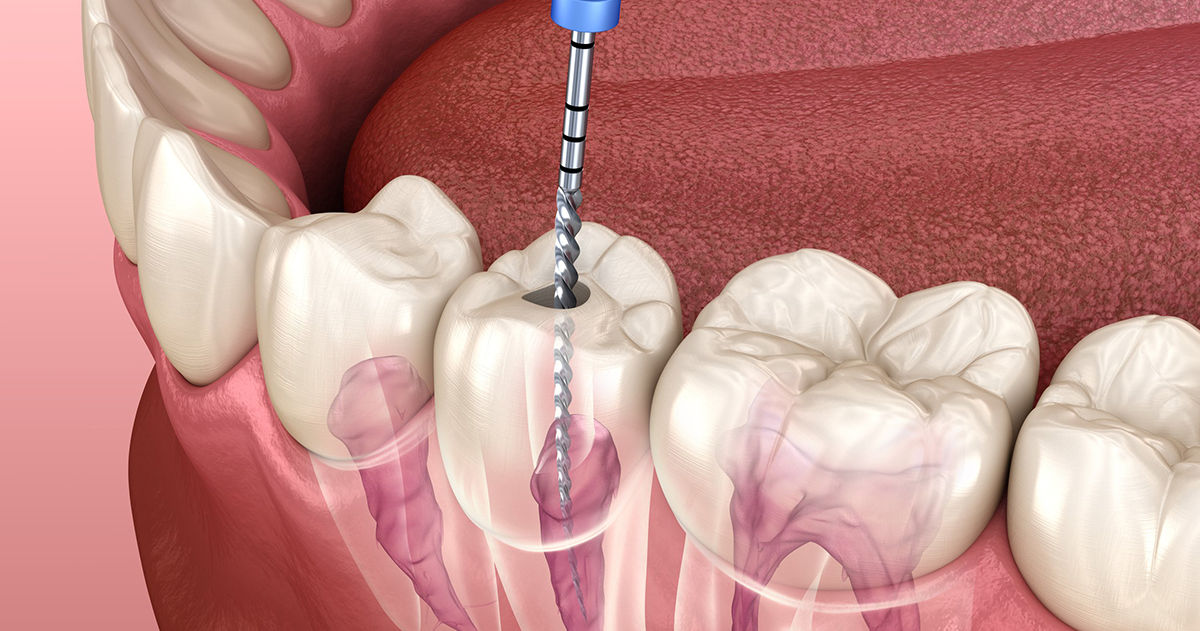
Special dental instruments are used to remove deposits from the teeth and below the gumline.
This may include a combination of:
- ultrasonic instruments
- hand instruments
- periodontal scalers
The aim is to thoroughly remove deposits that are contributing to inflammation.
4. Root Surfaces Are Cleaned Where Required
Where periodontal disease has affected the tissues around a tooth, deposits may need to be removed from the root surface below the gumline.
This deeper treatment is one of the main differences between routine cleaning and periodontal therapy.
5. Home Care Is Reviewed
Periodontal treatment is much more effective when combined with good daily oral hygiene.
You may be given advice about:
- brushing technique
- interdental brushes
- floss
- areas that are being missed
- frequency of ongoing periodontal maintenance
Oakstone Dental includes gum disease treatment within its general dentistry care, with treatment recommendations based on the individual’s oral health needs.
Will I Need More Than One Deep Cleaning Appointment?
Possibly.
Deep periodontal cleaning is often divided across several appointments when multiple areas of the mouth require treatment.
Dividing treatment can:
- allow adequate time for each area
- make local anaesthetic more manageable
- avoid numbing large parts of the mouth simultaneously
- allow more thorough cleaning
- make longer treatment more comfortable
Someone with one localised problem may require a different approach from someone with more widespread periodontal disease.
Your dental professional should explain how many areas require treatment and why a particular appointment schedule is being recommended.
What If I’m Anxious About Deep Cleaning?
Tell your dental team before treatment begins.
Dental anxiety is common, and knowing about it allows the appointment to be adapted to you.
Simple measures can include:
- explaining each stage before it happens
- agreeing on a signal if you need a break
- taking pauses during treatment
- discussing local anaesthetic before starting
- treating smaller areas at a time where clinically appropriate
It is useful to distinguish pain control from anxiety management.
Local anaesthetic numbs the area and controls pain, but it does not by itself treat anxiety. If you are particularly nervous about dental treatment, discuss this with your dentist before your appointment so appropriate options can be considered.
Oakstone Dental’s approach to general dental care emphasises explaining treatment options and helping patients feel comfortable and involved in decisions about their care.
What Should I Expect After a Deep Cleaning?
Once the local anaesthetic wears off, it is possible to notice temporary changes around the treated teeth and gums.
These may include:
- gum tenderness
- mild bleeding
- sensitivity to cold
- sensitivity when brushing
- temporary soreness around the gums
- teeth feeling different because tartar has been removed
Teeth can sometimes be temporarily sensitive after dental treatment, and post-treatment sensitivity may last from a few days up to around two weeks.
Not everyone experiences all of these symptoms.
Your dental professional may give you specific instructions based on how much treatment was performed and the condition of your gums.
What Can I Eat After a Deep Cleaning?
If you have had local anaesthetic, wait until enough sensation has returned that you can safely chew without biting your lip, cheek or tongue.
Once the numbness has worn off, you can usually eat according to your comfort and any specific instructions given by your dental professional.
If the gums or teeth feel sensitive, you may temporarily prefer foods that are:
- softer
- not extremely hot or cold
- easy to chew
Avoid testing sensitive teeth with deliberately hard foods immediately after treatment.
Can I Brush My Teeth After a Deep Cleaning?
Yes, maintaining plaque control remains important.
Your gums may be tender, so brush carefully rather than aggressively.
Use the brushing and interdental-cleaning technique recommended by your dental professional. If certain areas need temporary modification because of your treatment, you should be given specific instructions.
Do not stop cleaning your gums simply because they are a little tender unless your dentist has specifically told you to avoid an area.
How Long Does Sensitivity Last After Deep Cleaning?
Mild sensitivity often improves as the gums settle after treatment.
Root surfaces that were previously covered by tartar or inflamed tissue may initially feel more sensitive to temperature.
For most patients this is temporary.
If sensitivity becomes increasingly painful, fails to improve or continues longer than expected, contact your dentist so the area can be checked.
When Should You Contact Your Dentist After a Deep Cleaning?
Most mild tenderness settles normally, but contact your dental practice if you experience:
- severe or worsening pain
- significant swelling
- bleeding that concerns you or does not settle
- persistent numbness well beyond the expected period
- increasing pain when biting
- sensitivity that does not improve
- fever or feeling generally unwell
- another symptom you were not told to expect
Do not assume significant pain is simply part of periodontal treatment.
If you are unsure whether what you are experiencing is normal, it is reasonable to contact your dental team for advice.
Why Treat Gum Disease Rather Than Just Have More Routine Cleans?
Routine cleans and periodontal deep cleaning serve different purposes.
If tartar and bacteria have accumulated in deeper periodontal pockets, simply polishing the visible tooth surfaces does not address those deeper areas.
Untreated periodontitis can lead to progressive loss of the tissues and bone supporting the teeth. It may eventually contribute to loose teeth and tooth loss.
The purpose of periodontal treatment is therefore not to make the teeth “extra clean”. It is to help control disease affecting the supporting structures around the teeth.
That is why your dentist may recommend a deep cleaning rather than simply booking another routine scale and clean.
Frequently Asked Questions About Deep Cleaning and Local Anaesthetic
Do you always need local anaesthetic for dental deep cleaning?
No. Some people can comfortably have periodontal cleaning without local anaesthetic, particularly when treatment is limited or the teeth and gums are not very sensitive.
Local anaesthetic is more commonly considered when deeper periodontal pockets, significant tartar, inflammation or sensitive root surfaces make treatment uncomfortable.
Is deep cleaning the same as a normal dental clean?
No.
A routine professional clean is primarily preventive and removes plaque and tartar from accessible tooth surfaces and around the gums. A deep clean is periodontal treatment that may extend further below the gumline to remove deposits associated with gum disease.
Is scaling and root planing the same as a deep clean?
The terms are often used to describe similar periodontal treatment.
In Australia, you may hear terms such as periodontal debridement, non-surgical periodontal treatment or deep cleaning. “Scaling and root planing” is particularly common terminology internationally.
The exact procedure depends on what your gums and root surfaces require.
Does the anaesthetic injection hurt?
You may feel a brief pinch or pressure while local anaesthetic is being given.
Once it has taken effect, the treated area becomes numb to help prevent sharp pain during the deeper cleaning. You may still feel pressure or movement.
How long will my mouth stay numb after deep cleaning?
Numbness commonly lasts for a few hours, although this varies according to the type and amount of local anaesthetic used and the area treated.
Avoid biting or chewing on numb tissues until sensation has returned. Your dental professional can give you more specific advice after treatment.
Is local anaesthetic the same as local anesthesia?
Yes. Local anaesthetic and local anesthesia refer to the same general concept; “anaesthetic” and “anaesthesia” are the standard Australian and British spellings, while “anesthetic” and “anesthesia” are commonly used in the United States.
Can I ask for local anaesthetic if I’m worried the cleaning will hurt?
Yes. Tell your dental professional about previous sensitivity or concerns before treatment starts.
Whether local anaesthetic is appropriate depends on the procedure and your individual circumstances, but comfort is an important part of treatment planning.
Does local anaesthetic help with dental anxiety?
Local anaesthetic helps control pain; it does not directly treat anxiety.
If you feel nervous about periodontal treatment, tell your dentist. Explanations, breaks, an agreed stop signal and other anxiety-management approaches may help, and additional options can be discussed when appropriate.
Will my gums hurt after a deep clean?
Some tenderness is possible, especially when the gums were already inflamed.
You may also notice temporary sensitivity to cold or mild bleeding during brushing. These symptoms should generally improve as the tissues settle.
Contact your dentist if pain is severe, worsening or persists longer than expected.
How do I know whether I need a deep clean?
A dental professional needs to assess your gums.
Signs that may prompt periodontal assessment include bleeding or swollen gums, gum recession, persistent bad breath, deeper gum pockets or loose teeth. Your dentist may also recommend X-rays when needed to assess the bone supporting the teeth.
The Bottom Line: Numbing Depends on the Cleaning You Need
A dental deep cleaning does not automatically require local anaesthetic, but numbing is commonly used when periodontal treatment needs to extend deeper below the gums or when an area is likely to be sensitive.
The decision should be based on the treatment required and your comfort — not on a one-size-fits-all rule.
If you have healthy gums and are attending for routine preventive care, you may simply need a regular dental check-up and clean. If gum disease is present, deeper periodontal treatment may be recommended after assessment.
If you are concerned about bleeding gums, tartar build-up or whether you may need periodontal treatment, you can contact Oakstone Dental to arrange an assessment.