An amalgam filling does not need to be replaced simply because it contains amalgam. Current Australian guidance advises against routinely removing sound amalgam restorations without a clinical reason. Replacement may be appropriate if there is decay, fracture, significant wear, restoration failure, a rare local reaction, or another problem identified during a dental assessment.
If you have old silver fillings, you may have wondered whether you should replace them with tooth-coloured composite fillings.
The original version of this article focused heavily on reasons to remove amalgam. A more useful question is:
Is there actually something wrong with the filling or the tooth?
In many cases, an older amalgam filling that is intact, functional and surrounded by healthy tooth structure can simply be monitored.
Removing a sound filling unnecessarily also has a downside: some natural tooth structure is usually removed during the process. Replacing a healthy amalgam filling without a sound reason has not been shown to improve health outcomes, and removal itself can make the cavity larger.
What Is an Amalgam Filling?
Dental amalgam is the silver-coloured filling material that was widely used for many decades, particularly in back teeth.
It is made from a stable alloy containing metals including:
- silver
- copper
- tin
- mercury
- small amounts of other metals depending on the product
Amalgam has been used in dentistry for more than 150 years because it is strong and durable.
Today, it is much less commonly used in Australia. Tooth-coloured materials such as composite resin are now frequently chosen instead.
However, the declining use of amalgam does not mean every existing amalgam filling needs to be removed.
Should Old Amalgam Fillings Be Replaced?
Not purely because they are old.
There is no universal expiry date for a filling.
Some restorations last for many years, while others need earlier replacement because of changes to the filling, tooth or surrounding structures.
A dentist generally looks at questions such as:
- Is there new decay around or underneath the filling?
- Is the filling cracked or broken?
- Has part of the tooth fractured?
- Is there a gap developing around the restoration?
- Is the filling significantly worn?
- Is the tooth painful or sensitive?
- Is the restoration still functioning properly?
- Is there enough healthy tooth structure remaining?
- Are there unusual soft-tissue changes next to the filling?
If the filling is sound and the tooth is healthy, monitoring it may be more appropriate than replacing it.
When Might a Dentist Recommend Replacing an Amalgam Filling?
There are several legitimate reasons an amalgam filling may need to be repaired or replaced.
1. New Decay Around or Under the Filling
A filling repairs a damaged part of a tooth, but it does not make the tooth immune to future decay.
Over time, the junction between a filling and the natural tooth can change. If bacteria and plaque gain access to vulnerable tooth structure, recurrent decay may develop.
Possible signs can include:
- sensitivity
- pain
- visible changes around the edge of the filling
- food repeatedly catching around the tooth
Decay can also exist without obvious symptoms.
This is one reason regular dental check-ups and professional cleans are useful. Your dentist can examine existing restorations and use dental X-rays when clinically appropriate to look for problems that may not be visible from the surface.
2. The Amalgam Filling Is Cracked or Broken
Like all restorations, amalgam fillings can eventually fail.
A filling may:
- develop a crack
- fracture at the edge
- lose a piece
- become loose
- wear down significantly
A damaged filling no longer provides the same seal or support it was designed to provide.
The appropriate treatment depends on the size of the defect and the condition of the surrounding tooth.
Sometimes a filling can be replaced. If the tooth has lost substantial structure, another restoration may be considered.
3. The Tooth Around the Filling Has Cracked
Large, heavily restored teeth can develop cracks over time.
This does not mean every amalgam filling causes a cracked tooth. Cracks can be associated with many factors, including:
- large existing restorations
- chewing forces
- teeth grinding or clenching
- biting hard objects
- age-related changes in the tooth
- previous trauma
Symptoms of a cracked tooth can include pain when biting, sensitivity or discomfort that comes and goes.
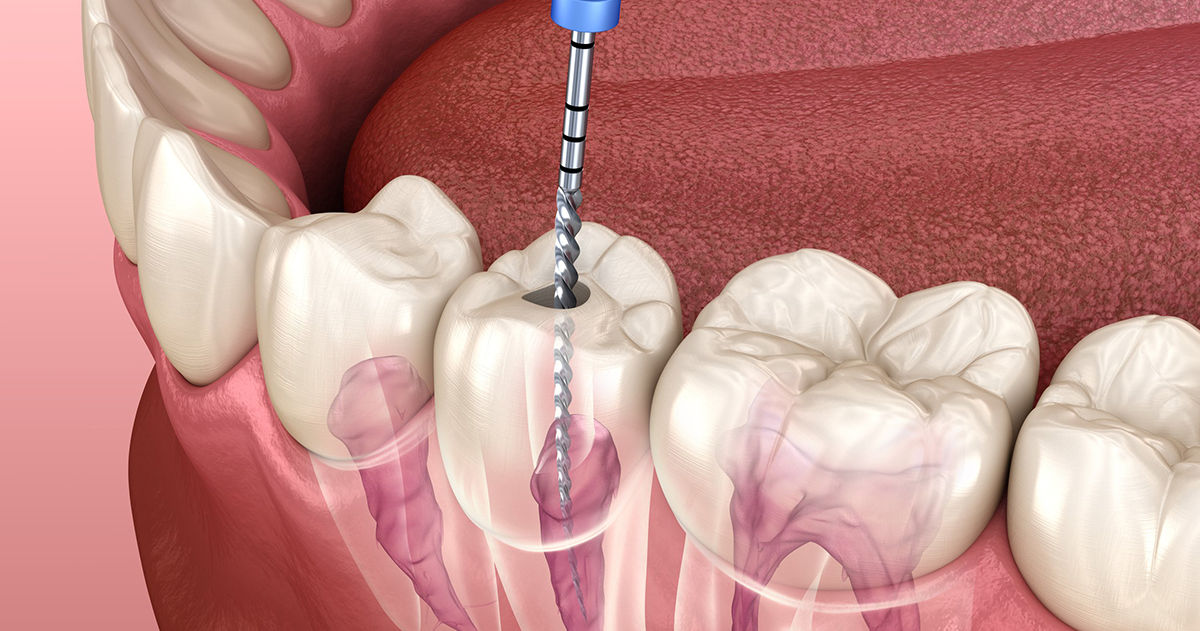
If a tooth is cracked, treatment depends on how far the crack extends and how much healthy tooth remains. Options may range from replacing the filling to placing a dental crown or, in some cases, further treatment if the pulp is involved.
4. The Filling Is No Longer Sealing the Tooth Properly
Fillings do not last forever.
With years of chewing, the interface between a restoration and natural tooth can deteriorate.
Older fillings can develop changes at the join between the filling and tooth, which may create areas where food and bacteria can collect.
A dentist may recommend replacement when the restoration is no longer providing an adequate seal or when deterioration is likely to compromise the tooth.
Not every visible line or stain around an old filling means it has failed. Clinical examination is needed to determine whether intervention is actually necessary.
5. A Rare Local Reaction Is Suspected
True reactions to dental amalgam are uncommon.
However, a small number of people may develop a local allergic or lichenoid reaction affecting tissues close to an amalgam restoration.
Possible local signs can include:
- redness
- swelling
- itching
- persistent patches or sores near the restoration
Local allergic or lichenoid reactions associated with amalgam are considered uncommon.
These changes should be professionally assessed rather than assuming amalgam is responsible for any unexplained symptom elsewhere in the body.
6. Another Clinical Reason Makes Replacement Appropriate
Sometimes an amalgam filling needs to be removed as part of treating a different dental problem.
For example:
- the tooth may need root canal treatment
- a larger restoration may be required
- decay may extend beyond the existing filling
- a fracture may require a different restorative approach
- the shape or bite of the restoration may no longer be suitable
The important distinction is that replacement is being recommended for a specific clinical reason, not simply because amalgam is present.
Does Mercury Mean Amalgam Fillings Should Be Removed?
For most people with sound amalgam restorations, current Australian guidance does not recommend routine removal on this basis.
Dental amalgam contains mercury as part of a stable alloy, which has understandably created concern for some patients.
However, the current position is that sound amalgam restorations should not routinely be replaced without a clinical indication. The Australian Dental Association states that there is no evidence that replacing sound amalgam fillings with alternative materials produces better health outcomes.
If you have a specific health concern, allergy or medical condition, discuss it with your dentist and relevant medical practitioner rather than making a decision based on general claims online.
Why Can Unnecessary Amalgam Removal Be a Problem?
Replacing a filling is not a neutral procedure.
To remove an existing restoration, the dentist needs to cut it out of the tooth. During that process, some additional natural tooth structure may also need to be removed.
This means replacing an otherwise healthy filling can turn a smaller cavity into a larger one.
Each time a filling is removed, some tooth structure may be lost.
That matters because natural tooth structure is finite.
As restorations become larger, future treatment can also become more involved. A tooth that once required a filling may eventually need a larger restoration or crown if substantial structure is lost.
This is why the decision to replace a filling should balance the potential benefit against the cost to the tooth.
Amalgam vs Composite Fillings
Composite resin is now widely used for tooth-coloured fillings, including at Oakstone Dental as part of our general dentistry services.
Both materials have advantages and limitations.
| Amalgam | Composite resin |
| Silver or grey appearance | Can be matched to the colour of the tooth |
| Very durable in many clinical situations | Suitable for many front and back tooth restorations |
| Does not chemically bond to the tooth surface in the same way as composite | Bonded to the tooth using an adhesive technique |
| Preparation traditionally requires sufficient shape to retain the filling | Can often allow more conservative preparation in appropriate situations |
| Less commonly used in modern Australian dentistry | Commonly used today |
| Existing sound restorations do not automatically require replacement | Often chosen when a new tooth-coloured filling is required |
Different filling materials have different advantages and limitations, and the most appropriate choice depends on the size and position of the cavity, your bite and the individual tooth.
Composite is not automatically a superior replacement simply because it is newer or tooth-coloured.
The right material depends on the clinical situation.
What About Replacing Amalgam for Cosmetic Reasons?
Some people simply do not like the appearance of silver fillings.
That is a legitimate preference, particularly for restorations that are visible when speaking or smiling.
A tooth-coloured composite filling may provide a more natural appearance.
However, cosmetic preference should be considered separately from medical necessity.
If a sound amalgam filling is being replaced primarily because you dislike its appearance, your dentist should explain:
- how much additional tooth structure may need to be removed
- whether composite is suitable for that particular cavity
- whether the tooth may need a larger restoration
- possible sensitivity after replacement
- the likely benefits and limitations
You can then make an informed decision based on the actual tooth rather than the assumption that all silver fillings should be removed.
What Happens When an Amalgam Filling Is Replaced?
If replacement is clinically appropriate, the process generally involves several steps.
1. The Tooth Is Assessed
Your dentist examines the restoration and surrounding tooth structure.
Dental X-rays may be used when needed to assess:
- recurrent decay
- the depth of the existing restoration
- the pulp and roots
- surrounding bone
- other concerns that could affect treatment
2. Local Anaesthetic May Be Used
The area is usually numbed where appropriate so the old restoration can be removed comfortably.
3. The Existing Filling Is Removed
The amalgam restoration is carefully removed along with any decay or unsupported tooth structure that needs treatment.
Dental practices are required to manage amalgam waste appropriately because mercury in dental waste is an environmental concern.
4. The Remaining Tooth Is Reassessed
Once the old restoration has been removed, the dentist can see the underlying tooth more clearly.
Sometimes the cavity is larger or the remaining tooth weaker than it appeared before removal.
This may affect the final restoration recommended.
5. The Tooth Is Restored
Where suitable, the tooth may be restored with composite resin.
For larger or more structurally compromised teeth, your dentist may discuss other options.
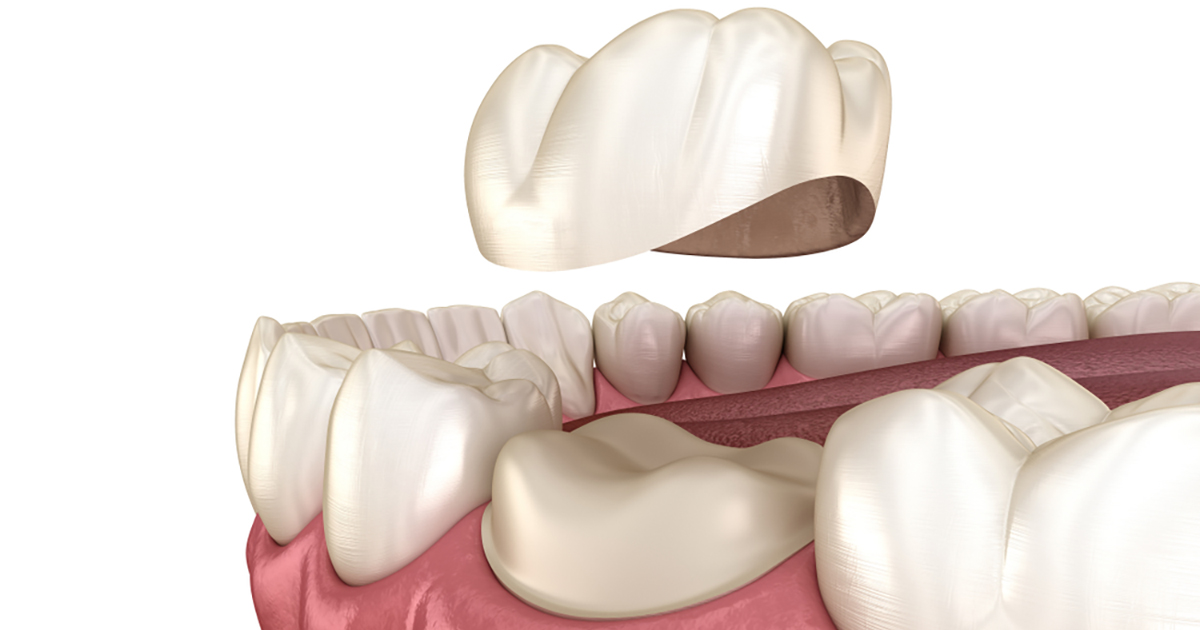
Could I Need a Crown Instead of Another Filling?
Possibly.
If a very large amalgam restoration is removed and little healthy tooth structure remains, simply replacing it with another large filling may not always provide the most appropriate support.
A crown may be considered when the tooth is:
- extensively weakened
- cracked
- missing substantial natural structure
- unable to reliably support another direct filling
This does not mean every large amalgam should be converted to a crown.
The decision depends on the individual tooth.
If more extensive restoration is required, understanding the dental crown procedure can help you know what to expect.
What Is Happening With the Amalgam Phase-Out?
There has been an international move away from dental amalgam, but it is important to understand why.
Australia is a party to the Minamata Convention on Mercury, an international environmental agreement aimed at reducing mercury pollution.
As of 2026, dental amalgam use in Australia has already declined significantly and mercury-free restorative materials are widely used. The international agreement now provides for a global phase-out of the manufacture, import and export of dental amalgam from 2034, subject to provisions for specific clinical needs.
This policy direction is primarily about reducing mercury entering the environment.
It should not be interpreted to mean that an existing sound filling suddenly becomes unsafe or needs to be removed.
In fact, the same current Australian guidance states that routine replacement of healthy amalgam restorations is not supported simply for perceived health benefits.
Is Amalgam Still Being Used in Australia in 2026?
Its use has declined substantially, and many practices primarily use alternative materials.
Current Australian policy allows amalgam to remain available where a dentist determines it is clinically necessary. Its use is also restricted in some patient groups and to approved encapsulated forms.
For patients who already have amalgam restorations, however, the practical question remains the same:
Is the filling and the tooth healthy, or is there a clinical reason to intervene?
How Does a Dentist Decide Whether to Leave or Replace an Amalgam Filling?
The assessment is usually based on the tooth rather than the filling’s colour or age.
Your dentist may check:
- the edges of the restoration
- whether part of the filling has fractured
- whether the surrounding tooth is cracked
- signs of decay
- symptoms such as pain or sensitivity
- how the tooth contacts the opposing teeth
- how much natural tooth remains
- relevant dental X-rays
- changes in the surrounding gums or soft tissues
The result may be:
Leave it alone and monitor it.
Repair part of the restoration.
Replace the filling.
Use a different type of restoration because the tooth needs greater support.
At Oakstone Dental, our approach to general dental care is to discuss the available options, advantages, disadvantages and costs so you can understand why treatment is—or is not—being recommended.
Signs an Old Filling Should Be Checked
You do not need to diagnose whether your filling has failed yourself.
Arrange an assessment if you notice:
- pain when biting
- new sensitivity to hot, cold or sweets
- part of a filling breaking away
- a visible crack in the filling or tooth
- food repeatedly becoming trapped around the restoration
- a sharp edge
- swelling around the tooth
- unexplained persistent discomfort
- a localised sore or unusual tissue change beside the filling
A filling can also develop problems without producing symptoms, which is another reason routine dental examinations remain useful.
If a tooth breaks or becomes acutely painful, Oakstone Dental also provides emergency dental care.
Frequently Asked Questions About Amalgam Filling Replacement
Should I replace all my amalgam fillings?
No. Sound amalgam fillings generally do not need to be replaced solely because they contain amalgam.
Current Australian guidance recommends replacement when there is a sound clinical reason, such as decay, damage, restoration failure or another individual indication. Removing a healthy filling unnecessarily can also sacrifice additional tooth structure.
Are old amalgam fillings unsafe?
Having an older amalgam filling does not automatically mean it is unsafe.
Current Australian guidance continues to regard amalgam as an acceptable restorative material where clinically indicated and does not recommend routine removal of sound fillings for general health reasons.
The condition of the individual restoration and tooth is more important than its age alone.
How do I know if my amalgam filling is failing?
Possible signs include a broken or loose filling, pain when chewing, new sensitivity, a cracked tooth or visible deterioration around the restoration.
However, some problems cause few obvious symptoms. Your dentist may need to examine the filling and use an X-ray where appropriate to determine whether decay or another issue is present.
Should a cracked amalgam filling be replaced?
A cracked or fractured restoration should be assessed.
Whether it needs simple replacement or more extensive treatment depends on whether the damage is limited to the filling or extends into the natural tooth.
A cracked tooth may require a different restorative approach from a filling that has simply chipped.
Is composite safer than amalgam?
It is more useful to think of amalgam and composite as different restorative materials with different properties rather than labelling one universally safe and the other unsafe.
Composite is tooth-coloured and bonds to tooth structure, while amalgam is strong and durable but requires a different cavity design.
Your dentist should recommend a material based on the tooth and your circumstances.
Does removing an amalgam filling damage the tooth?
Some additional natural tooth structure can be removed when an existing filling is drilled out.
For that reason, unnecessary replacement is not completely risk-free. The benefit of replacing the restoration should justify the intervention.
Can I replace my amalgam fillings just because I don’t like how they look?
You can discuss cosmetic replacement with your dentist.
However, if the filling is otherwise healthy, the decision should include the trade-offs. Removing it may enlarge the cavity, and the replacement filling will also eventually require maintenance.
Aesthetic preference is different from a clinical requirement for replacement.
Is Australia banning amalgam fillings in 2026?
No blanket 2026 requirement says that all existing amalgam fillings must be removed.
Australia is continuing its transition away from amalgam under international mercury-reduction policy, and the agreed global phase-out date for manufacture, import and export is 2034. The transition is principally environmental and does not mean existing sound fillings have become unsafe.
Can decay develop underneath an amalgam filling?
Yes.
Natural tooth structure remains susceptible to decay around any type of restoration. If the seal between a filling and tooth deteriorates, bacteria may gain access to vulnerable areas.
Your dentist can assess whether a suspicious area represents harmless staining or actual recurrent decay.
How often should old amalgam fillings be checked?
There is no special universal schedule just for amalgam fillings.
Existing restorations can be reviewed as part of the dental examination interval recommended for your individual oral health. A dentist may monitor the filling clinically and take dental X-rays when appropriate rather than replacing it simply because it has reached a certain age.
Replace the Filling When the Tooth Needs It — Not Simply Because It Is Amalgam
The presence of a silver filling is not, by itself, a reason to remove it.
A clinically sound amalgam restoration may continue to function without treatment. Replacement becomes appropriate when there is a genuine issue such as decay, fracture, deterioration, a problem with the surrounding tooth, a rare local reaction or another individual clinical indication.
Composite resin provides an attractive, tooth-coloured alternative when a filling genuinely needs to be replaced, but unnecessary removal of healthy restorations can cost additional natural tooth structure.
If you are unsure about an old filling, the most useful next step is to have the tooth and restoration assessed, rather than deciding in advance that the amalgam must come out.
You can contact Oakstone Dental to arrange an assessment or ask about your existing fillings at your next dental check-up.