A dental crown procedure usually involves reshaping a damaged or weakened tooth, taking an impression or digital scan, protecting the tooth with a temporary crown, and fitting a custom-made permanent crown. Traditional crown treatment commonly takes two appointments, although the exact process depends on the tooth and the type of crown being made.
If your dentist has recommended a crown, you may be wondering how much of your tooth needs to be prepared, whether the procedure hurts, how long treatment takes and what the tooth will feel like afterwards.
This guide walks through the dental crown procedure from assessment and preparation to fitting, recovery and long-term care.
If you are already considering treatment, you can also learn more about dental crowns at Oakstone Dental.
What Is a Dental Crown?
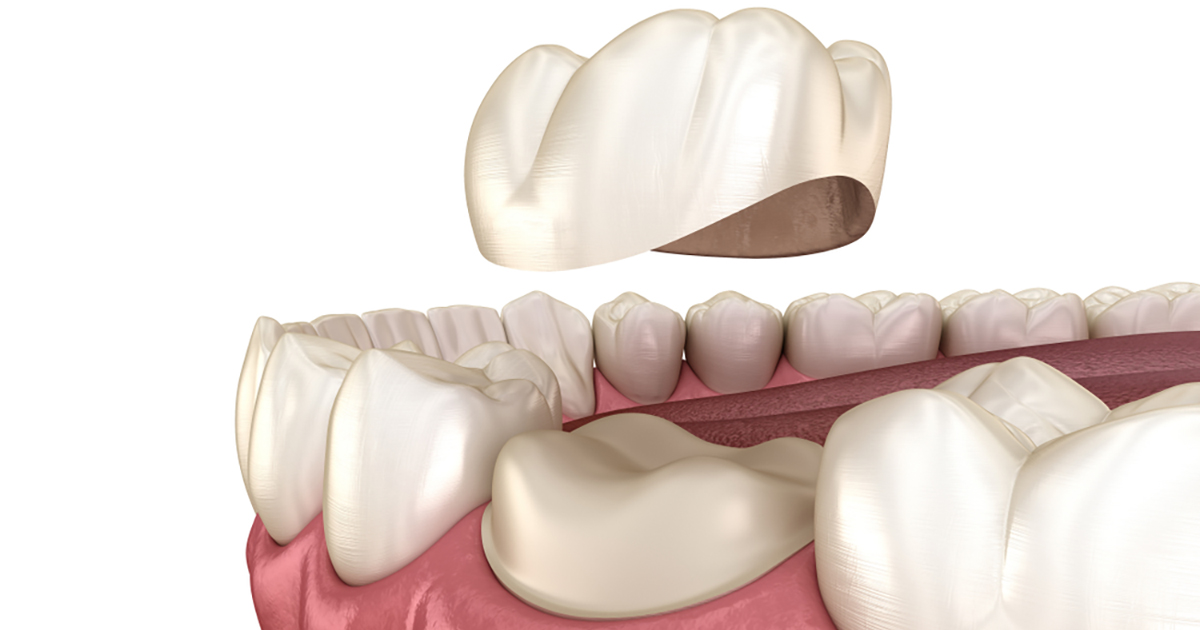
A dental crown is a custom-made restoration that fits over a prepared natural tooth. You may also hear it referred to as a dental cap.
A crown can restore the shape and function of a tooth while providing coverage for weakened tooth structure.
A dentist may recommend a crown when a tooth is:
- badly broken
- cracked
- weakened by significant decay
- heavily filled
- worn down
- structurally compromised following root canal treatment
- being restored for functional or aesthetic reasons
Crowns can be made from materials including porcelain, zirconia, metal alloys or combinations of materials. The most appropriate option depends on where the tooth is located, how much natural tooth structure remains, the forces placed on the tooth and the desired appearance.
Dental Crown Procedure: Step-by-Step Timeline
A traditional crown procedure is commonly completed over two appointments.
The first visit usually involves reshaping the tooth and recording its shape with an impression or digital scan. A temporary crown is then placed while the permanent restoration is made. At the second appointment, the temporary crown is removed and the final crown is checked and fitted.
At Oakstone Dental, treatment planning begins with assessing the individual tooth and discussing the available options clearly. Our broader general dentistry approach is centred on helping patients understand the advantages, considerations and costs of treatment before making a decision.
Step 1: Examination and Treatment Planning
Before preparing a tooth for a crown, your dentist first needs to determine whether a crown is the most appropriate treatment.
The assessment may include:
- examining how much healthy tooth structure remains
- checking for cracks, decay or large existing fillings
- assessing the surrounding gums
- checking your bite
- taking dental X-rays when clinically appropriate
- assessing the health of the nerve inside the tooth
- considering whether another treatment is needed first
- discussing crown materials and alternatives
This step matters because not every damaged tooth automatically needs a crown.
A smaller area of damage may be suitable for a filling, while a tooth with deeper infection or inflammation may first require root canal treatment.
How Do You Prepare for a Dental Crown?
There is usually little you need to do physically before a routine crown appointment unless your dentist gives you specific instructions.
The most useful preparation is making sure you understand why the crown has been recommended and what the treatment will involve.
Questions you may want to ask include:
- Why does this tooth need a crown?
- Could it be restored with a filling instead?
- What type of crown material is recommended?
- Why is that material appropriate for this tooth?
- How many appointments will I need?
- Will I have a temporary crown?
- What should I expect after the appointment?
- What are the treatment costs?
- What might affect how long the crown lasts?
- Could teeth grinding or clenching affect the crown?
At Oakstone Dental, our aim is to explain the available options before treatment begins so you can make an informed decision without feeling pressured.
Step 2: Numbing and Preparing the Tooth
Local anaesthetic is generally used before the tooth is prepared.
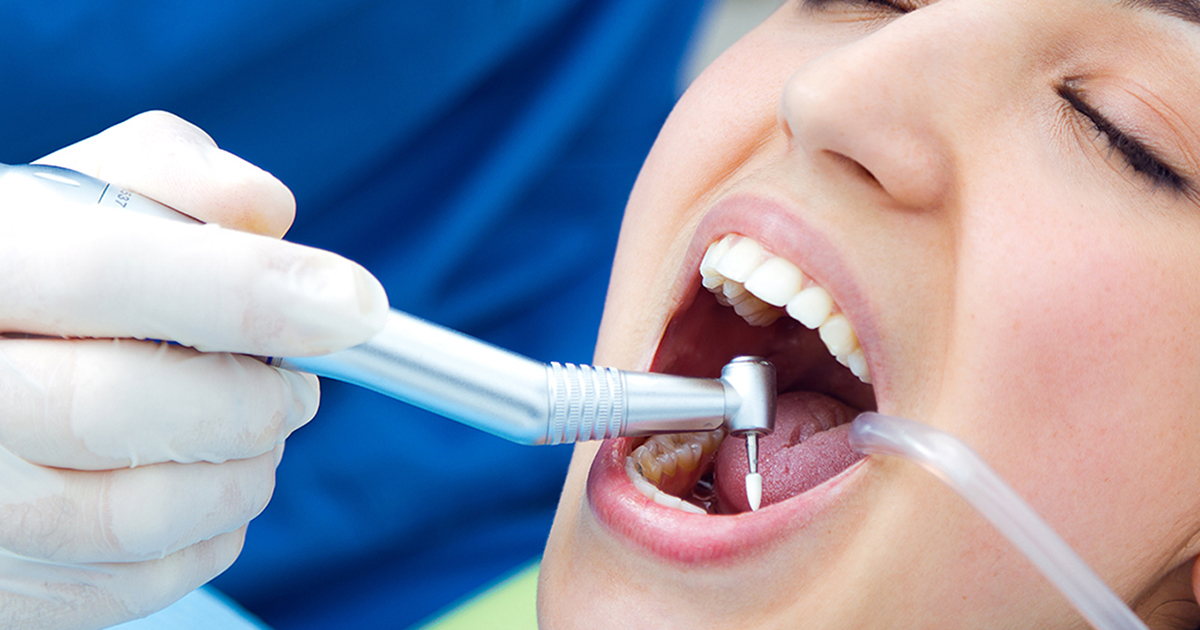
Once the area is numb, the dentist removes damaged or decayed tooth structure where necessary and reshapes the remaining tooth.
A crown needs enough room to fit over the tooth without making the finished restoration excessively bulky. This means some tooth structure needs to be reduced around the outside and biting surface.
During crown preparation, decay and old restorative material may also need to be removed before the tooth is reshaped.
If a significant part of the tooth is already missing, restorative material may be needed to rebuild the tooth before the crown is made.
Does the Dentist Have to Shave the Tooth for a Crown?
Yes. A conventional crown placed over a natural tooth requires the tooth to be reshaped.
The amount of tooth preparation varies depending on:
- how much healthy tooth remains
- existing fillings
- decay
- cracks or fractures
- the location of the tooth
- the crown material being used
- how your upper and lower teeth meet
The aim is to create sufficient space and an appropriate shape for the crown to fit securely and function correctly.
Step 3: Taking an Impression or Digital Scan
Once the tooth has been prepared, the dentist needs an accurate record of its shape.
This can usually be done using:
- a traditional dental impression
- a digital intraoral scan
An impression or digital scan can be used to record the prepared tooth so the permanent crown can be designed to fit accurately.
The dentist also needs to consider how the crown will contact neighbouring and opposing teeth.
For a tooth-coloured crown, the colour and appearance of nearby teeth may be assessed so the final restoration can blend with the surrounding smile.
Step 4: Placing the Temporary Crown
If your permanent crown is being made between appointments, the prepared tooth usually needs protection while you wait.
A temporary crown is placed over the tooth before you leave the first appointment.
It can help:
- protect the prepared tooth
- cover exposed and potentially sensitive tooth structure
- maintain the appearance of the tooth
- allow the tooth to function carefully
- maintain the space required for the permanent crown
A temporary crown is commonly used while the permanent crown is being made.
What Can You Eat With a Temporary Crown?
A temporary crown is not intended to be as strong as the final restoration.
Until your permanent crown is fitted, take care with foods that are particularly:
- hard
- sticky
- chewy
These foods may place unnecessary force on the temporary crown or cause it to become dislodged.
Continue brushing and cleaning the area carefully.
If the temporary crown comes loose or falls off, contact your dentist rather than simply waiting for the permanent-crown appointment.
How Long Does a Dental Crown Procedure Take?
A conventional dental crown commonly requires two appointments.
At the first appointment, the dentist usually:
- assesses and numbs the tooth
- prepares the tooth
- takes an impression or digital scan
- places a temporary crown
The original Oakstone Dental article estimated that this first appointment may take approximately 60 to 90 minutes, although the actual time depends on the tooth and complexity of treatment.
The permanent crown is then manufactured before you return for your second appointment.
At the second visit, the temporary crown is removed and the final crown is checked and cemented into place.
Traditional crown treatment is commonly completed across two appointments, although some crowns may be made and fitted using same-day systems where suitable.
Step 5: Fitting the Permanent Crown
When the permanent crown is ready, you return for the fitting appointment.
The temporary crown is removed and the new restoration is assessed before it is permanently attached.
Your dentist will usually check several things.
Fit
The crown needs to fit accurately over the prepared tooth, particularly where the edge of the crown meets the natural tooth.
Bite
Your dentist checks how the crown contacts the teeth above or below it.
If the crown contacts too heavily when you bite, adjustments may be needed.
Shape and Appearance
For a tooth-coloured crown, the dentist assesses how its shape and appearance relate to the surrounding teeth.
Comfort
The crown should feel secure and should not create an obvious interference when you close your teeth together.
Once the crown has been assessed and any necessary adjustments have been made, it is cemented or bonded onto the prepared tooth.
Does Getting a Dental Crown Hurt?
Local anaesthetic is generally used during tooth preparation so the treatment area is numb while the dentist works.
If you feel uncomfortable during the procedure, tell your dentist.
Some temporary tenderness or sensitivity can occur once the anaesthetic wears off.
You might notice:
- tenderness around the gum
- sensitivity to hot or cold
- mild discomfort when chewing
- an awareness that the restored tooth feels different
The tooth should generally become more comfortable as the area settles.
Contact your dentist if you experience significant, worsening or persistent pain, particularly if it interferes with normal chewing or sleep.
Recovery After a Dental Crown
Most people can return to their normal routine following a straightforward crown appointment.
Immediately after treatment, however, take care while your mouth remains numb.
It is sensible to wait until normal sensation has returned before chewing so you do not accidentally bite your cheek, tongue or lip.
Some temporary tenderness around the tooth or gum may occur afterwards.
What if My Crown Feels Too High?
A newly crowned tooth may initially feel slightly different because its shape has changed.
However, your bite should still feel comfortable.
If the crowned tooth seems to touch before your other teeth or biting feels uncomfortable, contact your dentist.
The crown may require a small adjustment to the biting surface.
How to Look After a Dental Crown
A crown covers and protects part of the tooth, but the natural tooth underneath it still requires ongoing care.
Teeth with crowns can still develop decay, particularly around the edge where the crown meets the natural tooth.
Good crown care includes:
- brushing twice a day
- using fluoride toothpaste
- cleaning between your teeth every day
- keeping the gumline around the crown clean
- avoiding using your teeth to open packaging
- avoiding deliberately chewing extremely hard objects
- speaking with your dentist if you grind or clench your teeth
- attending regular dental examinations
Maintaining good daily oral hygiene around crowned teeth helps protect both the restoration and the natural tooth supporting it.
Regular dental check-ups and professional cleans at Oakstone Dental also allow your dentist to monitor the crown, supporting tooth, surrounding gums and your bite over time.
How Long Does a Dental Crown Last?
There is no single lifespan that applies to every dental crown.
How long an individual crown lasts depends on several factors, including:
- the condition of the supporting tooth
- crown material
- crown fit
- oral hygiene
- biting forces
- teeth grinding or clenching
- eating habits
- changes in the gums or surrounding teeth
- accidental damage
A crown does not make the tooth maintenance-free. Crowns can chip or fracture, and the underlying tooth can still develop decay.
The best approach is to think of a crown as a long-term dental restoration that still requires ongoing care.
Dental Crown vs Filling: What Is the Difference?
A crown and a filling can both restore damaged teeth, but they do so differently.
A filling replaces a damaged part of the tooth while leaving much of the remaining natural tooth uncovered.
A crown fits over the prepared tooth and provides more extensive coverage.
A filling may be suitable when there is enough healthy tooth structure remaining to support the restoration.
A crown may be considered when the tooth has been more extensively weakened by:
- a very large filling
- significant decay
- fracture
- cracking
- extensive loss of tooth structure
- previous dental treatment
Filling
- Restores part of the tooth
- Usually requires less tooth preparation
- May be appropriate for more localised damage
- Is commonly placed directly in the mouth
Dental Crown
- Covers the prepared tooth
- Requires the tooth to be reshaped
- May be appropriate for more extensively weakened teeth
- Is custom-made to fit the tooth
Oakstone Dental provides both fillings and crowns as part of our general dentistry services.
Which option is appropriate depends on the individual tooth rather than simply choosing the larger restoration.
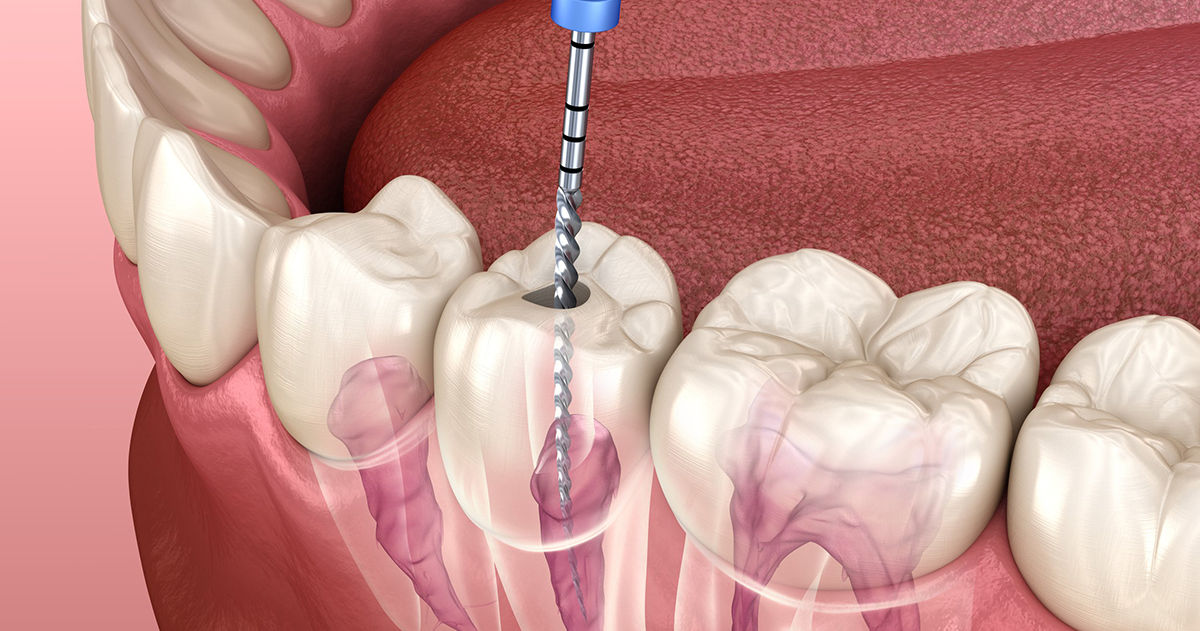
Do You Need a Crown After Root Canal Treatment?
Not every root canal-treated tooth requires exactly the same type of final restoration.
However, a crown may be recommended where the tooth has lost substantial structure or needs additional protection from biting forces.
The type of restoration required after root canal treatment depends on factors such as:
- the tooth’s position in the mouth
- how much pressure it receives when chewing
- how much healthy tooth structure remains
- whether the tooth has large existing fillings
- whether cracks are present
Crowns are commonly considered for back teeth following root canal therapy because molars and premolars often need additional protection from chewing forces.
At Oakstone Dental, you can read more about root canal treatment and restoring the tooth afterwards.
You can also read our guide explaining what root canal treatment involves and when it may be needed.
What About a Crown for a Cracked Tooth?
A crown may also be considered when a tooth is cracked and the dentist believes covering the tooth will help protect the remaining structure.
The appropriate treatment depends heavily on the type, position and extent of the crack.
Some cracks may involve only the outer tooth structure, while others can extend deeper towards the nerve or root.
For suitable teeth, a crown may help protect a cracked tooth from further flexing and damage.
A dentist needs to assess a cracked tooth individually because not every crack can be predictably restored with a crown.
What Can Go Wrong With a Dental Crown?
Crowns are designed to provide a strong restoration, but problems can still occur.
These may include:
- the crown becoming loose
- the crown coming off
- chipping or fracture
- decay around the edge of the crown
- problems with the underlying tooth
- gum irritation
- discomfort when biting
Because tooth structure must be removed during preparation, crown treatment is generally considered irreversible. Crowns may also eventually need repair or replacement if they become damaged.
Contact your dentist if you notice:
- persistent or worsening pain
- swelling
- a loose crown
- a crown that has fallen off
- a chipped or sharp edge
- difficulty biting normally
- a bite that suddenly feels different
If pain or swelling develops unexpectedly, Oakstone Dental also provides emergency dental care.
Questions Patients Commonly Ask About Dental Crowns
Is a Dental Cap the Same as a Dental Crown?
Yes. “Dental cap” is another commonly used term for a dental crown.
Both describe a restoration that fits over a prepared natural tooth.
How Many Appointments Does a Dental Crown Take?
A conventional laboratory-made crown commonly requires two appointments.
The first appointment involves preparing the tooth, recording its shape and placing a temporary crown.
At the second appointment, the temporary crown is removed and the permanent restoration is fitted.
Some dental practices may also offer same-day crowns where appropriate.
Will I Have a Temporary Crown?
Usually, if your permanent crown is being manufactured between appointments.
The temporary crown protects the prepared tooth until the final restoration is ready.
Can I Go Back to Work After Getting a Crown?
Many people can return to normal daily activities following a routine crown appointment.
Your experience may vary depending on the treatment performed and how the tooth feels afterwards.
Take additional care until the local anaesthetic has completely worn off.
Why Is My Crowned Tooth Sensitive?
Some short-term sensitivity may occur after a tooth has been prepared and crowned.
The tooth may initially feel more sensitive to temperature or chewing pressure.
Sensitivity that becomes severe, worsens or fails to settle should be assessed by your dentist.
Can a Tooth Still Decay Under a Crown?
Yes.
A crown itself is an artificial restoration, but the supporting tooth is still natural tooth structure.
This means tooth decay can still develop around or beneath a crown.
Good brushing, cleaning between your teeth and regular dental visits remain important.
What Should I Do if My Temporary Crown Falls Off?
Contact your dentist.
The temporary restoration is there to protect the prepared tooth until the permanent crown is fitted.
Rather than leaving the tooth uncovered, ask your dentist whether the temporary crown needs to be replaced or recemented.
Should I Get a Crown or a Filling?
The answer depends on how much healthy tooth remains and how much support the restoration needs to provide.
Your dentist will consider:
- the size of the damaged area
- remaining healthy tooth structure
- previous fillings
- cracks
- chewing forces
- whether the tooth has had root canal treatment
A crown is not automatically better than a filling simply because it covers more of the tooth. The appropriate restoration is the one suited to the condition of that individual tooth.
What to Expect From Your Dental Crown Treatment
For a traditional crown, you can generally expect the process to involve:
- examining and assessing the tooth
- discussing treatment options
- numbing and preparing the tooth
- taking an impression or digital scan
- placing a temporary crown
- having the permanent crown manufactured
- checking its fit, appearance and bite
- cementing the final restoration
- maintaining the crown with good home care and regular dental visits
The exact procedure will vary depending on the condition of your tooth and the type of crown selected.
At Oakstone Dental, our approach is to explain what we can see, why treatment may be recommended and what alternatives may be available. We want patients to understand their options and feel comfortable with the decision they make.
If you have been told you may need a crown, learn more about dental crown treatment at Oakstone Dental or contact Oakstone Dental to arrange an assessment.