A dull ache that gets worse when you bite down. A tooth that suddenly reacts to hot or cold in a way it never used to. A deep throbbing sensation that comes and goes, then starts lingering for longer.
If that sounds familiar, root canal treatment might be something your dentist discusses with you.
For many people, the words “root canal” sound more daunting than the procedure itself. Much of that anxiety can come from not knowing what treatment involves. Root canal treatment is designed to remove infected or damaged pulp from inside a tooth, clean and seal the internal spaces, and preserve the natural tooth when this is considered suitable. Healthdirect describes root canal treatment as a procedure used to remove infected or damaged pulp tissue from inside a tooth.
At Oakstone Dental in Oakleigh, patients regularly come in with tooth pain, lingering sensitivity or concerns about whether a tooth needs more than a simple filling. Understanding what root canal treatment involves, why it may be recommended and what happens during the procedure can make the situation easier to navigate.
Here is what you need to know.
What Does a Root Canal Actually Involve?
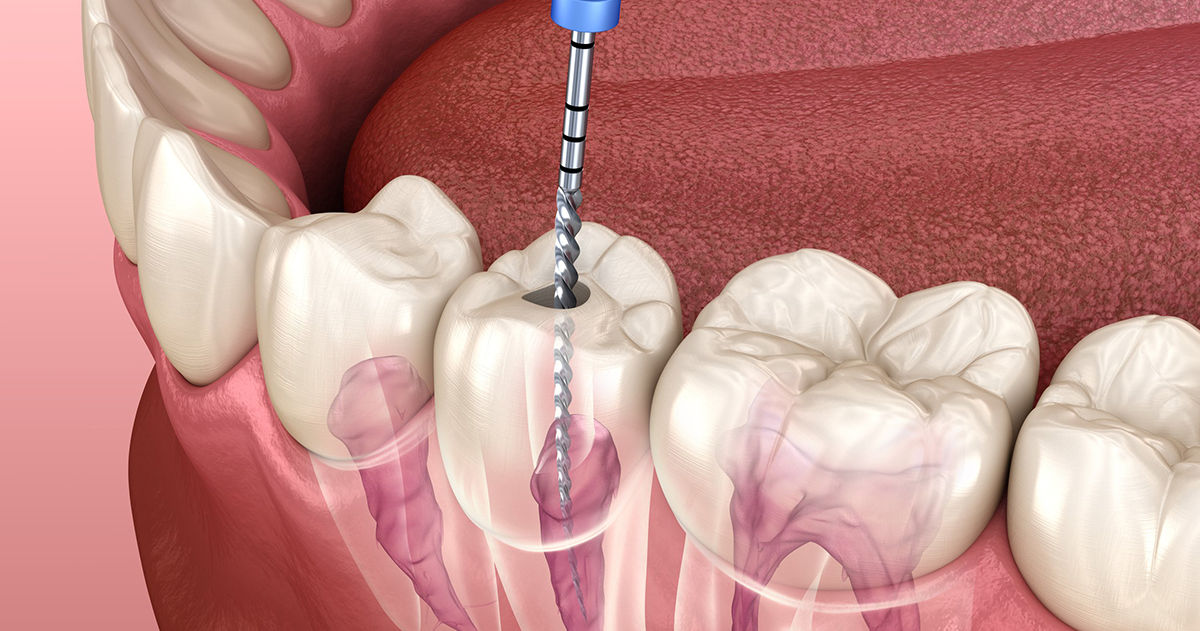
Inside each tooth, beneath the hard enamel and dentine, is soft tissue called dental pulp.
The pulp contains nerves, blood vessels and connective tissue. When a tooth is healthy, you are unlikely to notice it. However, if the pulp becomes severely inflamed, damaged or infected, the tooth may become painful or develop other symptoms.
That is when root canal treatment may be considered.
During treatment, the dentist removes the affected pulp from inside the tooth and its root canals. The internal spaces are then cleaned, shaped and disinfected before being filled and sealed. The Australian Dental Association provides a detailed overview of the root canal treatment process, including the use of local anaesthetic, cleaning and disinfecting the canals, and sealing the tooth afterwards.
The aim is to treat the affected tissue while retaining the natural tooth where possible.
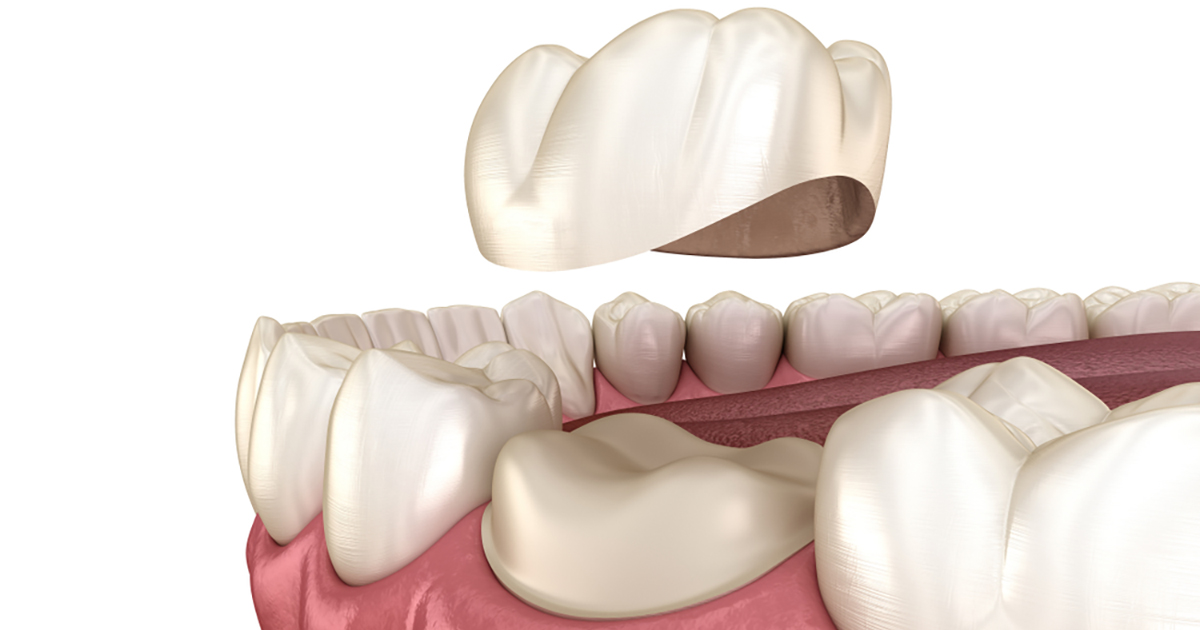
After root canal treatment, the tooth also needs an appropriate restoration, such as a filling or crown, to protect it and restore function.
You can learn more about root canal therapy at Oakstone Dental if this treatment has been recommended for you.
What Can Cause the Need for Root Canal Treatment?
The dental pulp can become inflamed, damaged or infected for several reasons.
Deep Tooth Decay
One common cause is tooth decay that progresses deep into the tooth.
Decay starts in the hard outer layers of the tooth. If it continues untreated, bacteria can eventually reach the pulp inside. At this stage, a straightforward filling may no longer be enough to manage the problem.
Healthdirect lists tooth decay among the reasons pulp tissue may become damaged or infected and require root canal treatment.
A Cracked or Damaged Tooth
A crack or significant chip may also allow bacteria to reach deeper parts of a tooth.
Not every cracked tooth requires root canal treatment. Treatment depends on where the crack is located, how extensive it is and whether the pulp has been affected.
The Australian Dental Association explains that a dentist will assess whether the nerve inside a cracked tooth remains healthy. If the pulp has been significantly affected, root canal treatment may be required.
Repeated Dental Treatment
A tooth that has undergone multiple dental procedures may sometimes develop inflammation or damage within the pulp.
This does not mean previous dental treatment was inappropriate. Teeth can simply become more compromised over time because of decay, large restorations, structural damage or repeated intervention.
Healthdirect includes repeated dental work that has affected the pulp among the situations in which root canal treatment may be considered.
Dental Trauma
An impact from sport, an accident or a fall can damage the pulp, even if the tooth initially appears intact.
Symptoms may develop soon after the injury or become noticeable later.
If you have injured a tooth, particularly if it changes colour, becomes painful or starts feeling different, it is worth having it professionally assessed.
Signs You May Have an Infected or Damaged Tooth
Not every toothache means you need root canal treatment.
Tooth pain can have several possible causes, including tooth decay, cracks, gum problems, sensitivity, grinding and other dental conditions. A proper examination is needed to determine what is happening.
However, some symptoms can be associated with an inflamed, damaged or infected pulp.
These may include:
- Persistent toothache
- A deep or throbbing sensation
- Pain when biting or chewing
- Lingering sensitivity to hot or cold
- Swelling around a tooth or gum
- Tenderness near a particular tooth
- A tooth becoming darker than surrounding teeth
- A recurring pimple-like swelling on the gum
- An unpleasant taste associated with swelling or drainage
Healthdirect lists toothache, sensitivity to hot or cold, swelling, tooth discolouration and a pimple-like bump near the tooth among possible symptoms associated with root canal infection.
The presence of one of these symptoms does not automatically mean you require a root canal. Your dentist needs to assess the tooth, and dental X-rays or other tests may be recommended.
When Should Tooth Pain Be Treated Urgently?
Some dental infections require prompt attention.
Healthdirect recommends seeing a dentist as soon as possible when toothache or gum swelling is accompanied by symptoms such as fever, pain when biting, a bad taste or swelling of the cheek or jaw.
If swelling affects your ability to breathe or swallow, seek urgent medical care.
Why Waiting Can Make an Infected Tooth Harder to Treat
Dental pain can sometimes improve temporarily, but that does not necessarily mean the underlying problem has resolved.
If the pulp has become infected, the infection can continue even if symptoms temporarily become less noticeable. Healthdirect advises that an untreated root canal infection can cause inflammation and damage to tissues around the tooth and may eventually result in the tooth needing to be removed.
A dental abscess can also develop when bacteria infect the inside of a tooth or tissues around the root. Healthdirect advises that a tooth abscess needs professional treatment and will not resolve simply by waiting for it to go away.
Delaying assessment may also allow decay or structural damage to progress.
The more tooth structure that is lost, the more complicated restoration can become. In some cases, retaining the natural tooth may eventually no longer be possible.
That is why persistent or worsening dental symptoms are worth assessing rather than simply waiting for pain to become severe.
What Happens During a Root Canal Procedure?
The exact root canal procedure varies according to the tooth, the number and shape of the canals, the degree of infection and other individual factors.
Root canal treatment may require one or multiple appointments.
Step 1: Assessing the Tooth
Before treatment begins, your dentist will examine the affected tooth and ask about your symptoms.
This may involve:
- Checking where the pain appears to be coming from
- Testing how the tooth responds to temperature or other stimuli
- Assessing tenderness when biting or touching the tooth
- Examining the surrounding gums
- Reviewing the condition of existing fillings or restorations
- Taking dental X-rays
Dental X-rays are an important part of root canal assessment and treatment because they allow the dentist to examine structures inside and around the tooth that cannot be seen directly.
Step 2: Local Anaesthetic
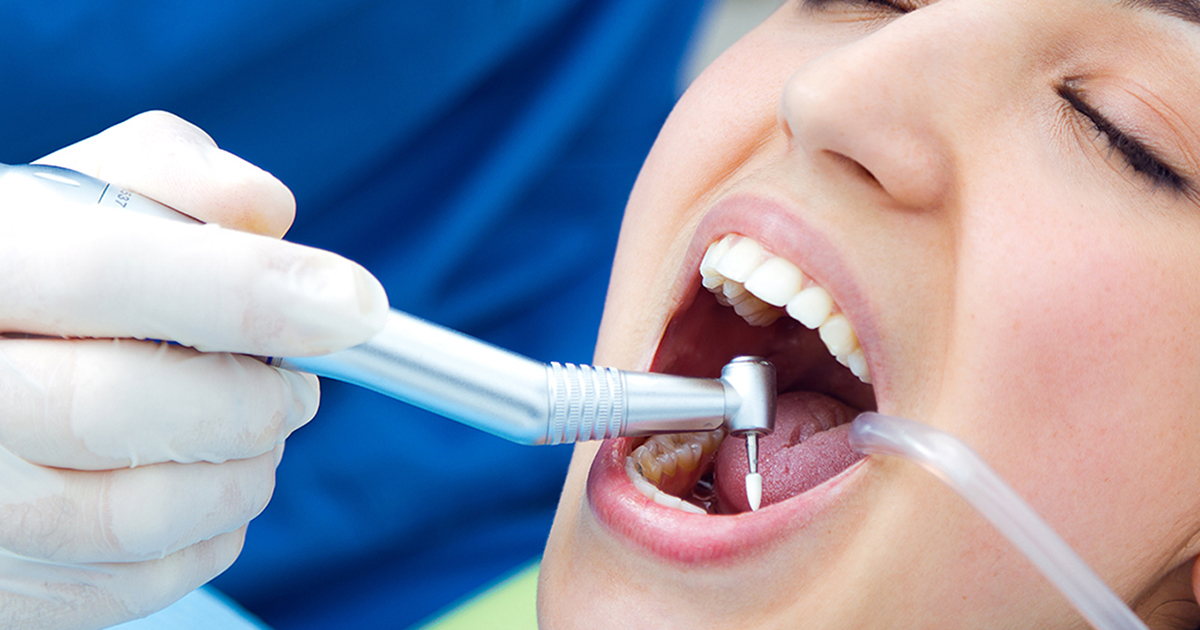
Local anaesthetic is generally used to numb the tooth and surrounding area before treatment begins.
The goal is to keep you comfortable while the dentist accesses and treats the internal parts of the tooth.
Step 3: Isolating the Tooth
A rubber dam is commonly placed around the tooth.
This thin sheet isolates the tooth from the rest of the mouth and helps keep the treatment area clean and dry. The Australian Dental Association includes rubber dam isolation as part of the standard root canal treatment process.
Step 4: Removing the Affected Pulp
Once the tooth is numb and isolated, a small opening is created to access the pulp chamber and root canals.
The inflamed, infected or damaged pulp tissue is then removed.
Step 5: Cleaning and Shaping the Canals
The internal root canals are carefully cleaned, disinfected and shaped.
This prepares them to be filled and sealed.
Step 6: Filling and Sealing the Tooth
Once the canals have been appropriately prepared, they are filled with a specialised root canal filling material and sealed.
If treatment takes place over more than one appointment, a temporary filling may be placed between visits.
Step 7: Restoring the Tooth
After root canal treatment, the visible part of the tooth needs to be restored.
Depending on how much healthy tooth structure remains and where the tooth is located, this may involve a filling, crown or another appropriate restoration.
The exact procedure, number of appointments, restoration required and likely outcome depend on the individual tooth and your clinical assessment.
Is Root Canal Treatment Painful?
This is one of the most common concerns people have about root canal treatment.
Local anaesthetic is used to numb the area during the procedure. The Australian Dental Association describes local anaesthetic as part of root canal treatment to prevent pain while the tooth is being treated.
Experiences vary between patients and depend on factors such as the condition of the tooth and surrounding tissues.
Some discomfort or tenderness may occur after treatment as the area settles. Healthdirect notes that some discomfort can occur following root canal treatment and generally improves during recovery.
Your dentist can explain what is reasonably expected after your particular procedure.
Contact the practice if:
- Pain becomes more severe rather than improving
- Swelling develops or increases
- Your bite feels significantly different
- The temporary restoration comes out
- You develop symptoms that concern you
Do not assume worsening symptoms are simply part of normal recovery.
What Happens If You Do Not Have Root Canal Treatment?
If a tooth has an infected or severely damaged pulp, doing nothing is generally not a long-term solution.
Without appropriate treatment, infection can worsen and may damage the tissues surrounding the tooth. In some cases, the tooth may eventually need to be removed.
For a tooth that cannot be predictably retained, extraction may sometimes be the more appropriate option.
The choice between root canal treatment and extraction depends on factors such as:
- The extent of infection or damage
- How much healthy tooth structure remains
- Whether the tooth can be restored
- Gum and bone health
- The position and function of the tooth
- Your broader oral health
- Your preferences and treatment goals
Root canal treatment aims to retain the natural tooth. Extraction removes it completely.
If a tooth is removed, options for replacing the missing tooth may include a dental bridge, denture or dental implant, depending on your circumstances.
There is no universal rule that root canal treatment is always preferable to extraction or vice versa.
Treatment suitability, risks, expected results and long-term prognosis depend on an individual dental assessment.
Why Might a Crown Be Recommended After a Root Canal?
Root canal treatment addresses the inside of a tooth, but the tooth may also need restoration externally.
Many teeth requiring root canal treatment have already lost structure because of:
- Deep decay
- A large existing filling
- A crack or fracture
- Previous dental treatment
- Trauma
Back teeth such as molars and premolars also experience substantial chewing forces.
Depending on the amount of tooth structure remaining, your dentist may recommend a crown after root canal treatment. Healthdirect notes that after the root canals are treated and sealed, a tooth may be restored with a filling or crown to protect it and restore function.
A crown covers the remaining visible portion of the prepared tooth.
However, not every root-treated tooth automatically requires the same restoration. The recommendation depends on the position of the tooth, remaining structure, existing damage and how the tooth functions within your bite.
Your dentist can explain what is appropriate after assessing your individual tooth.
Root Canal Treatment or a Filling: How Is the Decision Made?
A filling and root canal treatment address different levels of tooth damage.
If decay or damage is limited to the outer tooth structure and the pulp remains healthy, a filling may be sufficient in some cases.
If the pulp has become significantly inflamed, damaged or infected, simply placing a filling over the tooth will not treat the problem inside the root canal system.
Your dentist may use several pieces of information to make this distinction, including:
- Your symptoms
- How long sensitivity lasts after a hot or cold trigger
- Pain when biting
- Clinical tests
- Dental X-rays
- The depth of decay
- The presence and extent of cracks
- The condition of the pulp and surrounding tissues
This is why symptoms alone cannot reliably tell you whether you need a filling or root canal treatment.
Talk to Oakstone Dental About Tooth Pain
If you are experiencing persistent tooth pain, lingering sensitivity, swelling, pain when biting or another change in a tooth, an assessment can help determine what is causing it.
The team at Oakstone Dental can examine the affected tooth, discuss your symptoms and recommend appropriate investigations before explaining your treatment options.
Root canal therapy may be an option when the pulp inside a tooth is infected or damaged and the tooth can be retained and restored. In other cases, a different treatment may be more appropriate.
Whether root canal therapy is suitable, how many appointments are required, whether a crown or other restoration is recommended, and the expected results all depend on your individual dental assessment.
If you are experiencing tooth pain or have been advised that you may need root canal therapy, contact Oakstone Dental or book a dental appointment online to arrange an assessment in Oakleigh.
FAQs
How Do I Know If I Need a Root Canal or Just a Filling?
It depends on how far the decay, crack or other damage extends.
If the problem is confined to tooth structure outside the pulp and the pulp remains healthy, a filling may be appropriate. If the pulp is significantly inflamed, damaged or infected, root canal treatment may be required.
Your dentist may use an examination, symptom tests and dental X-rays to determine which treatment is appropriate.
Is a Root Canal the Same as Having a Tooth Removed?
No.
Root canal treatment removes damaged or infected pulp tissue from inside the tooth while aiming to keep the natural tooth in place.
An extraction removes the entire tooth.
Which treatment is appropriate depends on whether the tooth can be predictably retained and restored, along with your individual oral health and circumstances.
How Long Does Root Canal Treatment Take?
There is no single treatment time that applies to everyone.
Root canal treatment may require one or multiple appointments depending on factors such as the tooth involved, the root canal anatomy, infection and the complexity of treatment.
Your dentist can give you a more specific idea after examining the tooth.
Will I Need a Crown After Root Canal Treatment?
Possibly.
A crown may be recommended when a root-treated tooth needs additional restoration because of lost or weakened tooth structure. Back teeth that handle significant chewing forces are among the teeth for which a crown may be considered.
However, not every tooth requires exactly the same restoration. Your dentist will recommend an approach based on how much healthy tooth remains and your individual clinical circumstances.
What Happens If an Infected Tooth Is Left Untreated?
An untreated infection inside a tooth can progress and affect surrounding tissues. In some cases, an abscess can develop and the tooth may eventually become unsuitable for retention.
Prompt dental assessment is particularly important if you have worsening pain, swelling or other signs of infection.
Can Antibiotics Fix a Root Canal Infection?
Antibiotics alone do not remove infection from inside an infected root canal system. Healthdirect states that antibiotics alone do not cure root canal infections.
Antibiotics may be prescribed in certain circumstances where infection has spread or there are other clinical indications, but treatment of the source of the infection is still required.
Your dentist will determine whether antibiotics are appropriate for your individual situation.
Can a Root Canal Save Every Infected Tooth?
No.
Root canal treatment can help retain many damaged or infected teeth, but not every tooth is suitable.
Factors such as severe cracks, extensive loss of tooth structure, periodontal support and the ability to restore the tooth can affect whether treatment is recommended.
A dentist needs to assess the tooth before discussing its prognosis and available options.