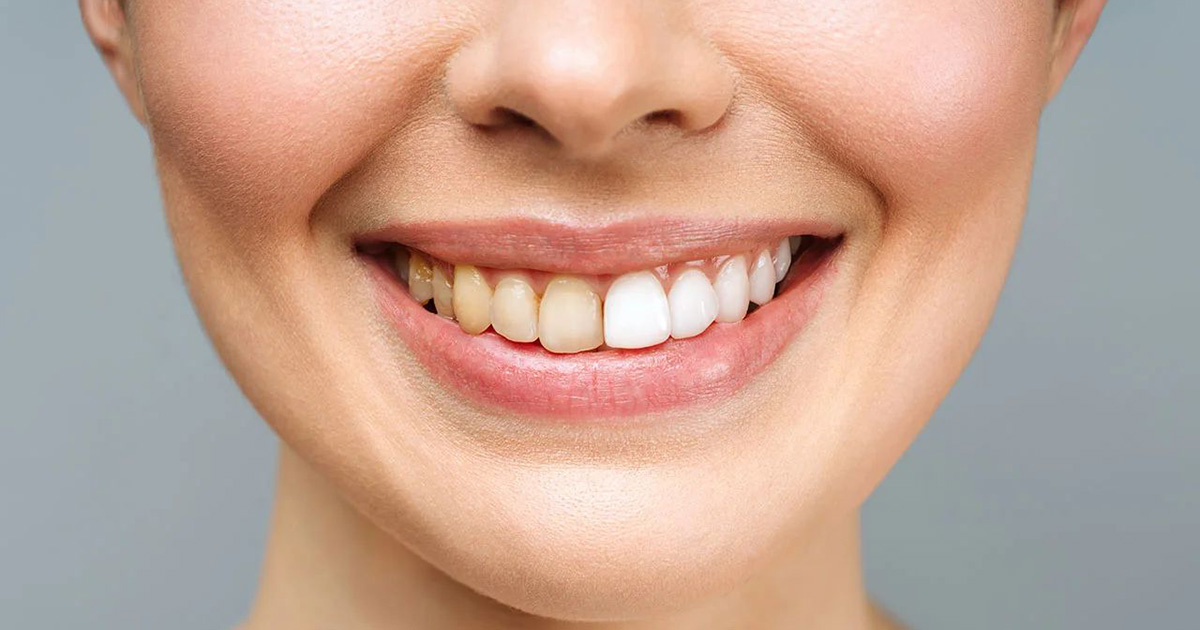
Yellow teeth are not always a sign that something is wrong. Natural dentine has a yellow tone, and teeth can also become darker with age or develop surface stains from food, drinks and smoking. The right treatment depends on whether the colour is on the tooth surface, within the tooth, or related to a dental problem.
If your teeth look yellower than they used to, the first question is not necessarily “How do I whiten them?”
A better question is “Why have they changed colour?”
Some yellowing comes from removable surface staining. Some reflects the natural colour of the tooth. Other types of discolouration develop inside the tooth and may respond poorly to conventional whitening.
Understanding the cause helps you choose a treatment that is more likely to work and avoids unnecessary whitening.
Why Do Teeth Look Yellow?
A tooth is not naturally made from one uniform white material.
The outer layer is enamel. Beneath it is dentine, which naturally has a warmer yellow colour. Because enamel is partly translucent, some of the dentine colour contributes to the overall shade of the tooth.
This is why perfectly healthy teeth can be cream, ivory or slightly yellow rather than bright white.
Teeth may also look more yellow as enamel changes with age and more of the underlying dentine becomes visible.
The original Oakstone article identified age, food and drink stains, natural tooth colour and some medicines as possible reasons for yellow teeth. Those remain relevant, but it is more useful to divide discolouration into two broad categories: extrinsic staining and intrinsic discolouration.
Extrinsic vs Intrinsic Tooth Discolouration
The location of the colour change often determines which treatment is likely to help.
Extrinsic staining
Extrinsic stains sit on the outside surface of the tooth.
Common contributors include:
- coffee
- tea
- red wine
- smoking
- strongly pigmented foods
- plaque and tartar that collect stain
Surface staining may improve with good oral hygiene, professional cleaning or whitening, depending on its cause and severity.
Intrinsic discolouration
Intrinsic colour changes occur within the tooth structure rather than simply sitting on the enamel surface.
Possible causes include previous trauma, certain medicines taken while teeth were developing, changes after root canal treatment and some developmental changes in the teeth.
These stains can be more difficult to change because treating the outside surface does not necessarily reach the source of the discolouration.
Common Causes of Yellow Teeth in Adults
Natural tooth colour
Some people naturally have warmer or darker teeth than others.
Variation in enamel thickness and dentine colour means there is a broad range of healthy natural tooth shades. A tooth does not need to be bright white to be healthy.
If your teeth have always had a similar cream or yellow tone and there has been no recent change, the colour may simply be normal for you.
Age related changes
Teeth commonly look darker with age.
Over time, changes to the enamel can make the underlying yellow dentine more visible. Years of exposure to staining foods and drinks can also contribute to a darker overall appearance.
Whitening may lighten natural teeth in some cases, but it cannot reverse every structural change associated with ageing.
Coffee, tea and red wine
Coffee, tea and red wine are common causes of surface staining.
The pigments in these drinks can gradually collect on the enamel, particularly when they are consumed frequently. Smoking can also cause yellow or brown surface staining.
Regular brushing helps limit plaque and staining, while a professional clean may remove deposits and external stains that brushing cannot.
Plaque and tartar
Plaque is a soft bacterial film that continually develops on teeth.
If it is not removed effectively, it can harden into tartar. Both plaque and tartar can collect pigments and make teeth appear duller, creamier or more yellow.
If build-up is contributing to the colour, a professional check-up and clean may be a more appropriate first step than whitening.
Oakstone Dental’s current preventive care approach includes examining the teeth and gums and removing plaque and tartar professionally where needed.
Smoking
Smoking can cause external yellow or brown staining.
It also affects oral health in ways that go beyond appearance, including increasing the risk of gum disease.
Whitening may improve some smoking related surface staining, but ongoing tobacco exposure can cause stains to return.
Medicines taken while teeth were developing
Certain medicines can affect tooth colour when they are taken during tooth development.
Tetracycline and doxycycline are recognised examples. These changes occur within the tooth and can therefore behave very differently from coffee or tea stains.
Depending on the pattern and severity of discolouration, ordinary external whitening may produce limited or uneven results.
Dental trauma
A tooth that has been knocked or injured can change colour.
Unlike general yellowing across many teeth, trauma related discolouration may affect only one tooth.
A tooth may become yellow, grey or darker after an injury because of changes within the tooth.
A single tooth that changes colour after trauma should be examined rather than simply whitened.
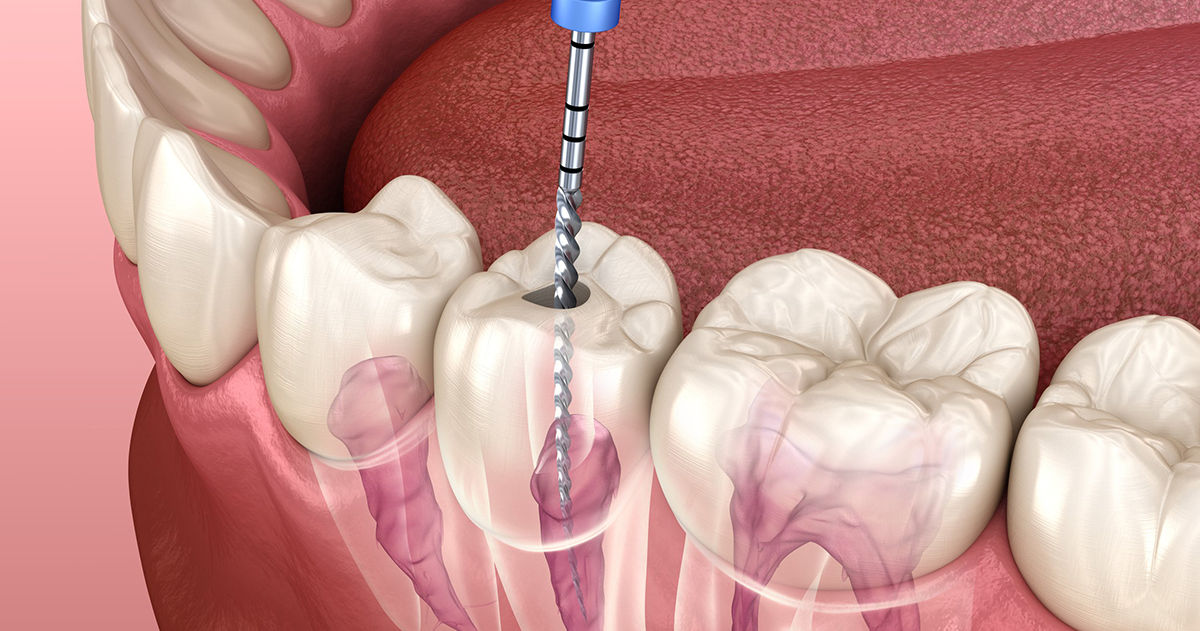
Root canal treatment
A tooth that has previously undergone root canal treatment can sometimes become darker.
Because this discolouration may be internal, conventional whitening gel applied to the outside of the tooth may not be the most suitable treatment.
In selected cases, a dentist may consider internal whitening, where whitening material is placed inside a root treated tooth.
What Treatment Is Best for Yellow Teeth?
There is no one treatment that suits every yellow or discoloured tooth.
A professional clean may be enough for some surface staining. Whitening may help with other types of discolouration. Teeth that do not respond predictably to whitening may require a different approach if changing their appearance is important to you.
| Type of colour change | Possible approach | What to know |
| Plaque or tartar build-up | Professional clean | Whitening will not remove hardened tartar |
| Mild external staining | Oral hygiene, professional cleaning or whitening | Response depends on the type and depth of staining |
| General natural yellow shade | Teeth whitening may lighten natural enamel | Results vary between people |
| Age related darkening | Whitening may help in suitable patients | Natural dentine colour and enamel changes can limit the final shade |
| Internal discolouration | Assessment before treatment | External whitening may have limited effect |
| One dark root treated tooth | Internal whitening may sometimes be considered | Requires professional assessment |
| Localised colour or shape concern | Composite bonding may be considered | Suitability depends on the tooth and desired change |
| Significant discolouration that does not respond to whitening | Veneers may be considered in suitable cases | Veneers involve altering or covering the tooth surface and should not be treated as a first choice for every stain |
When Can a Professional Clean Help?
A professional clean is most useful when the yellow or brown appearance comes from plaque, tartar or external surface deposits.
Cleaning does not bleach the natural tooth colour. Instead, it removes deposits and stains that are sitting on the teeth.
This distinction is important.
If your teeth look noticeably cleaner after tartar and surface stains have been removed but you would still prefer them lighter, whitening can then be discussed separately.
At Oakstone Dental, teeth whitening is commonly considered after the teeth and gums have been assessed and a professional clean has been completed where appropriate.
When Can Teeth Whitening Help?
Teeth whitening uses bleaching agents to lighten the colour of natural teeth.
It may be useful for generalised yellowing and certain forms of staining when the teeth and gums are healthy.
Oakstone Dental currently offers both in chair whitening and dentist supervised take home whitening. Individual results vary, so the appropriate option depends on your teeth and what you hope to achieve.
Professional assessment is useful before whitening because discolouration can have different causes, and some types respond much better than others.
Why Don’t Some Yellow or Dark Teeth Respond to Whitening?
Whitening is not paint. It cannot simply make every tooth the same shade.
The treatment works on natural tooth structure, so the result depends partly on what caused the discolouration.
Whitening may be less effective when colour changes are:
- deep within the tooth
- associated with trauma
- related to certain medicines taken during tooth development
- caused by an existing filling, crown or veneer
- associated with a dental condition that needs treatment rather than bleaching
Intrinsic stains can be difficult to change by treating the outside of the tooth alone.
Existing crowns, veneers and tooth coloured fillings also do not whiten in the same way as natural enamel. This can create a shade mismatch if the surrounding natural teeth become lighter.
For that reason, existing dental work should be considered before beginning whitening.
Can Whitening Toothpaste Fix Yellow Teeth?
Whitening toothpaste may help with some surface staining, but expectations should be realistic.
Most whitening toothpastes work mainly on the outer surface of the tooth. They generally do not produce a large change in the natural internal colour of teeth.
A toothpaste cannot remove the causes of intrinsic discolouration, repair tooth decay or change the colour of crowns and veneers.
For everyday use, fluoride content and good brushing technique remain more important to oral health than choosing toothpaste purely because it carries a whitening label.
When Might Composite Bonding Be Considered?
Composite resin bonding uses tooth coloured resin that is applied and shaped on the tooth.
It may be an option when the concern involves a localised colour difference together with shape, wear, chips or another cosmetic issue.
Oakstone Dental provides composite resin bonding and can colour match the material to surrounding teeth where appropriate.
Bonding is not necessary simply because teeth are naturally yellow. It is one of several options that may be discussed when whitening alone cannot address the concern.
When Might Veneers Be Considered?
Veneers cover the front surface of a tooth and can change its colour, shape and appearance.
They may be considered when discolouration is significant, does not respond satisfactorily to whitening, or occurs alongside other cosmetic concerns such as chips, wear or shape irregularities.
Oakstone Dental offers porcelain veneers for suitable patients. Because veneer treatment changes the tooth surface and is a more involved option than cleaning or whitening, suitability should be carefully assessed first.
A sensible cosmetic treatment plan generally starts with the most conservative option capable of addressing the actual concern.
Professional Cleaning, Whitening, Bonding or Veneers?
The best treatment becomes much clearer once the cause of the colour is understood.
For example, someone with coffee staining and tartar may benefit substantially from a professional clean.
Someone with healthy teeth that are naturally darker may consider whitening.
A single tooth discoloured after trauma needs diagnosis before cosmetic treatment.
A tooth with deeper colour that cannot be predictably lightened may eventually be considered for bonding or a veneer if the cosmetic concern is significant and the tooth is otherwise suitable.
This is why choosing treatment based only on how yellow the teeth look can lead to disappointing results.
Is Teeth Whitening Safe?
Whitening is not suitable for every person or every tooth.
Recognised side effects include temporary tooth sensitivity and irritation of the gums or other soft tissues. Whitening can also be uncomfortable if untreated decay, cracks or other dental problems are present.
Before whitening, it is sensible to have the health of the teeth and gums checked.
Be particularly cautious with strong products purchased online or home mixtures that are not being used under appropriate professional guidance.
Why You Should Avoid Aggressive DIY Whitening
Internet whitening advice can include abrasive powders, acidic ingredients and strong bleaching products.
The problem is that making a tooth surface look temporarily brighter is not the same as improving the health or natural colour of the tooth.
Repeated abrasion can wear tooth surfaces, while acidic ingredients can contribute to enamel erosion.
DIY bleaching can also irritate gums or increase sensitivity.
If whitening is your goal, establishing what is causing the discolouration first is safer than repeatedly experimenting with products.
When Yellow or Discoloured Teeth Should Be Examined
Generalised yellowing across otherwise healthy teeth is often a cosmetic concern.
A colour change deserves more attention when:
- one tooth suddenly looks different from the others
- the tooth changed colour after an accident or injury
- there is pain or sensitivity
- you can see a cavity or damaged filling
- the tooth has become grey, brown or unusually dark
- there is swelling around the tooth
- the discolouration is patchy or unexplained
- you have had root canal treatment and the tooth is becoming darker
A dental professional is best placed to determine whether a colour change is surface staining, internal discolouration or a sign of a dental problem.
Can You Prevent Teeth From Becoming More Yellow?
You cannot prevent natural ageing or change your underlying dentine colour through brushing.
You can, however, reduce avoidable surface staining and protect your teeth.
Useful habits include brushing twice daily with fluoride toothpaste, cleaning between your teeth, avoiding smoking and rinsing with water after strongly staining foods or drinks.
Regular dental check-ups and cleans can also remove deposits that cannot be managed effectively at home.
If you drink coffee or tea every day, you do not necessarily need to stop completely. Good oral hygiene and sensible habits are more realistic than trying to avoid every food or drink capable of leaving a stain.
What About Yellow Adult Teeth in Children?
New permanent teeth in children are a separate issue and should not be treated as the same problem as adult tooth staining.
Permanent teeth often look naturally more yellow when they first appear beside much whiter baby teeth.
If that is the question you are researching, Oakstone Dental has a separate guide explaining why new adult teeth can look yellow in children.
What Should You Look for in Before and After Examples?
Before and after photographs can help you understand what a treatment may achieve, but they should be interpreted carefully.
Useful examples should be genuine patient cases shared with appropriate consent and should involve a concern reasonably similar to yours.
They should not be treated as a guarantee of your own result. Tooth shade, existing dental work, enamel, dentine and the cause of discolouration all affect the final outcome.
Your dentist should be able to explain what is realistically achievable for your teeth before treatment begins.
Frequently Asked Questions About Yellow Teeth
Why are my teeth yellow even though I brush them?
Brushing removes plaque and helps control surface staining, but it does not change the natural colour of the dentine beneath your enamel.
Your teeth may therefore be healthy and well cleaned while still having a cream or yellow tone.
If the colour has recently changed, a dental examination can help determine whether staining, tartar, enamel changes or another cause is involved.
Can yellow teeth become white again?
Some yellow teeth can be lightened, but the result depends on why they look yellow.
Surface staining may improve with cleaning or whitening. Natural tooth colour may respond to professional whitening. Deeper intrinsic discolouration may respond less predictably and sometimes requires a different treatment approach.
No treatment can guarantee a particular shade for every patient.
Does a professional clean whiten teeth?
A professional clean removes plaque, tartar and some external stains, so teeth can look noticeably brighter afterwards.
It does not chemically bleach the natural enamel.
If your teeth are clean and healthy but you still want a lighter shade, whitening can be discussed separately.
Why are my teeth still yellow after whitening?
Several explanations are possible.
Your natural dentine may have a strong yellow tone, the discolouration may be internal, or your expectations may be lighter than what whitening can predictably achieve.
Crowns, veneers and fillings also do not lighten like natural teeth.
A dentist can assess whether further whitening is reasonable or whether another approach should be considered.
Can coffee stains be removed from teeth?
Many coffee stains are extrinsic, meaning they sit on the outside surface of the tooth.
They may improve with good cleaning, professional polishing or whitening depending on how established they are.
If the colour remains after surface deposits are removed, part of what you are seeing may be the natural shade of the tooth rather than staining.
Is it normal for teeth to be slightly yellow?
Yes.
Natural teeth are not necessarily bright white. The dentine beneath enamel naturally has a yellow tone, and its colour can show through the enamel.
A slightly cream or yellow shade can therefore be completely normal.
Can one yellow tooth mean something is wrong?
It can.
A single tooth that becomes noticeably darker or changes colour deserves assessment, particularly after trauma or root canal treatment.
The cause may be completely different from generalised staining across several teeth.
Will whitening change the colour of fillings, crowns or veneers?
No. Conventional whitening treatment lightens natural tooth enamel but does not change the colour of porcelain crowns, veneers or composite fillings.
If you have visible restorations, discuss them before whitening so you understand whether a colour mismatch could occur.
Should I whiten my teeth before getting veneers?
If both whitening and veneers are being considered, treatment order matters because porcelain veneers will not subsequently lighten with whitening gel.
Your dentist can plan the desired final shade before restorative treatment begins.
When should I see a dentist about yellow teeth?
Arrange an assessment if the discolouration is new, affects one tooth, follows trauma, is associated with pain or sensitivity, or appears alongside decay, swelling or a damaged restoration.
If the concern is purely cosmetic, an assessment can still help establish which treatment is most likely to work before you spend money on whitening products.
Start With the Cause, Not the Colour
Yellow teeth can come from many different sources.
Sometimes the answer is as simple as removing surface staining during a professional clean. In other cases, whitening can lighten healthy natural teeth. Deeper discolouration may require a different approach, and some teeth should be examined for an underlying dental problem before any cosmetic treatment is considered.
Oakstone Dental offers professional teeth whitening, composite resin bonding and porcelain veneers where clinically appropriate. The first step is understanding your teeth and discussing the advantages and limitations of the available options rather than assuming every yellow tooth needs the same treatment.
If you are concerned about a change in tooth colour or would like to discuss cosmetic options, you can contact Oakstone Dental to arrange an assessment.