If your child’s new adult teeth look yellower than their baby teeth, this is often completely normal. Permanent teeth naturally contain more yellow-toned dentine beneath their enamel, and the contrast can look especially obvious beside bright white baby teeth. However, patchy colour, pain, decay, or a tooth that changes colour after an injury should be checked by a dentist.
It is a question we hear from parents when the first permanent front teeth begin to appear: “Why are my child’s new adult teeth yellow when their baby teeth are so white?”
In many cases, nothing is wrong.
Baby teeth and permanent teeth are naturally different in colour, size and structure. Adult teeth are often more yellow than baby teeth, so the difference can look surprisingly strong while your child has a mixture of both in their smile.
The important part is knowing what looks like a normal colour difference and what deserves a closer look.
Why Do Adult Teeth Look More Yellow Than Baby Teeth?
The colour difference comes largely from the structure of the tooth.
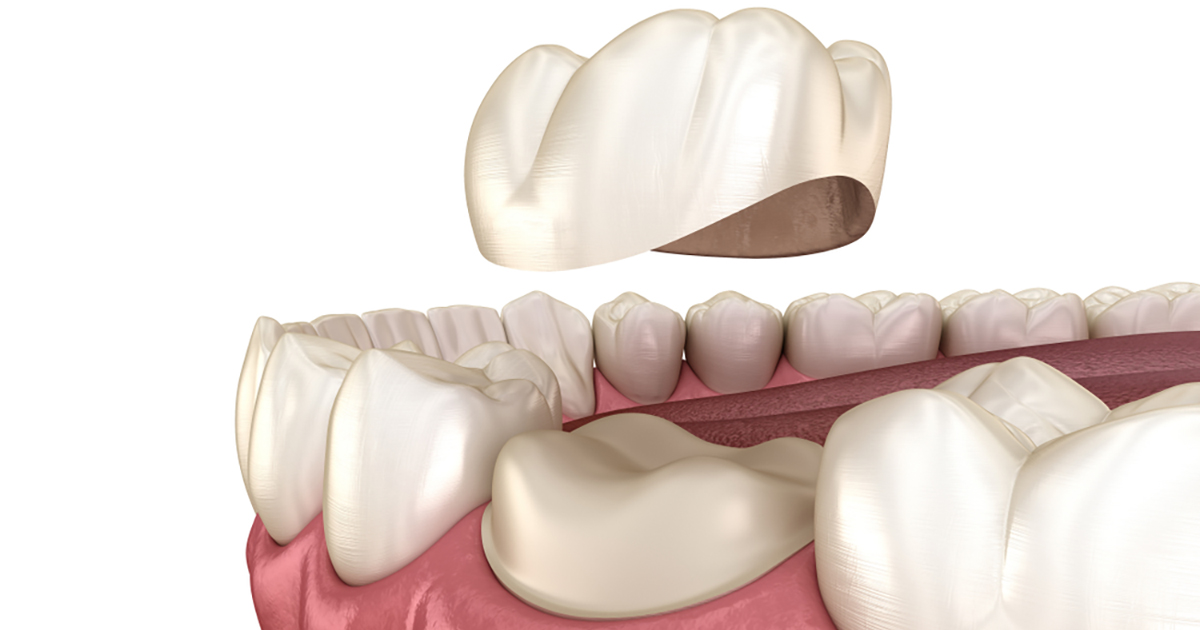
The visible crown of a tooth contains two important layers:
- Enamel is the hard outer covering.
- Dentine sits underneath the enamel and is naturally more yellow in colour.
Although enamel looks white, it is not completely opaque. Some of the colour of the underlying dentine can influence the overall appearance of the tooth. Dentine is naturally yellowish in colour.
Permanent teeth also tend to look darker or creamier than primary teeth.
This becomes particularly noticeable at around the age when the first permanent teeth are erupting. A newly erupted adult tooth may be sitting directly beside a much whiter baby tooth, making the difference appear more dramatic than it really is.
The Side-by-Side Contrast Can Make Adult Teeth Look Even Yellower
During the mixed-dentition stage, your child’s mouth contains both baby and permanent teeth.
Baby teeth are generally:
- smaller
- brighter or milkier white
- different in shape from permanent teeth
Permanent teeth are generally:
- larger
- naturally slightly darker or more yellow
- shaped differently from the baby teeth they replace
Because the two types of teeth are sitting next to each other, parents often notice the colour difference immediately.
As more baby teeth are lost and additional permanent teeth erupt, the overall smile tends to look more consistent because there are fewer bright white baby teeth to compare them with.
That does not necessarily mean the adult tooth itself has become significantly whiter. The visual contrast has simply changed.
When Do Children’s Adult Teeth Start Coming Through?
The transition from baby teeth to permanent teeth generally begins during the early primary-school years.
The first permanent molars and lower front teeth are often among the earliest adult teeth to emerge. Over the following years, more baby teeth are gradually replaced.
This stage can bring several changes that parents notice, including:
- larger front teeth
- a slightly yellower tooth colour
- temporary gaps
- uneven-looking teeth while eruption is still occurring
- small ridges on the edges of newly erupted front teeth
Many of these changes are part of normal dental development.
If you are unsure whether what you are seeing is expected for your child’s stage of development, a visit for children’s dental care at Oakstone Dental can provide a clearer answer.
When Yellow Adult Teeth Are Usually Normal
A naturally cream or yellow tone is generally less concerning when:
- several new permanent teeth have a similar colour
- the colour is reasonably even across each tooth
- there is no pain or sensitivity
- there are no unusual spots, pits or patches
- the teeth have not recently been injured
- your child’s gums and teeth otherwise appear healthy
In these circumstances, the difference may simply reflect the normal colour of permanent teeth.
Parents sometimes worry that a yellower adult tooth means their child is not brushing properly. That is not necessarily the case.
Brushing is essential for controlling plaque and preventing decay, but good brushing does not turn naturally yellow-toned dentine white.
When Yellow or Discoloured Teeth Should Be Checked
Not every colour change should be dismissed as a normal difference between baby and adult teeth.
The pattern of the colour change can be more important than whether a tooth simply looks yellow.
Arrange a dental assessment if you notice any of the following.
One Tooth Suddenly Looks Different From the Others
If one permanent tooth is noticeably yellow, grey, brown or darker while neighbouring teeth look normal, it is worth having it examined.
A single discoloured tooth can have a different explanation from several healthy permanent teeth that are all naturally creamier in colour.
The Tooth Changed Colour After an Injury
Children fall, play sport and occasionally receive knocks to the mouth.
Trauma can affect the tissues inside a tooth and may cause a colour change. Discolouration can occur following trauma to a tooth.
If your child has had a fall or blow to the mouth and a tooth subsequently changes colour, arrange a dental assessment even if the tooth is not painful.
A more significant dental injury, a knocked-out permanent tooth or substantial damage should be assessed promptly. Oakstone Dental also provides emergency dental care for unexpected dental injuries.
There Are White, Cream, Yellow or Brown Patches
An evenly cream-coloured permanent tooth is different from a tooth with distinct patches or areas where the enamel looks unusual.
Some children develop enamel that did not mineralise normally while the tooth was forming. This is sometimes referred to as hypomineralised or “chalky” enamel.
These areas may appear:
- bright white
- creamy
- yellow
- brown
- patchy
They may also be weaker or more sensitive than normal enamel.
Chalky teeth can affect newly erupted permanent molars and other developing teeth and may be more vulnerable to decay, so unusual patches should be assessed rather than assumed to be simple staining.
Your Child Has Tooth Pain or Sensitivity
Natural tooth colour should not cause pain.
If a yellow or discoloured tooth is also:
- painful
- sensitive to hot or cold
- uncomfortable when biting
- associated with gum swelling
- waking your child at night
it needs assessment.
Pain changes the situation from a cosmetic colour concern to a possible dental-health problem.
You Can See Signs That Could Be Tooth Decay
Tooth decay does not always start as a black hole.
Changes can include white, yellow, brown or dark areas depending on the stage and location of the problem. Colour changes can be among the visible signs of decay in children’s teeth.
A dentist can distinguish between natural tooth colour, surface staining, enamel-development changes and decay.
Could Plaque Make My Child’s Teeth Look Yellow?
Yes. Plaque can change the appearance of a tooth, particularly if brushing is not removing it effectively.
Plaque is a soft film that builds up on teeth. If it remains for long enough, it can contribute to tooth decay and gum inflammation.
This is different from a healthy adult tooth simply having a naturally warmer colour.
Regular brushing helps control plaque, but children often need parental help longer than parents expect.
Young children may not yet have the dexterity to thoroughly brush every tooth surface themselves. Helping or supervising brushing is particularly useful while new permanent molars are erupting at the back of the mouth.
Regular dental check-ups and professional cleans can also help identify plaque, tartar, early decay or enamel changes that may be difficult to distinguish at home.
Can Food and Drinks Stain Children’s Teeth?
Surface staining can occur, although it should not be confused with the natural colour of newly erupted permanent teeth.
Colour from some foods and drinks can accumulate on tooth surfaces or plaque over time.
The important question is whether the colour:
- wipes or polishes away
- affects many teeth similarly
- appears to be on the surface
- is located within the tooth itself
Dentists describe staining on the outside of a tooth as extrinsic staining, while changes occurring within the tooth are known as intrinsic staining. Internal tooth discolouration can have causes such as medications during tooth development or dental trauma.
If you cannot tell whether your child’s tooth is naturally yellow, stained or developing abnormally, it is better to have it checked than to try to remove the colour yourself.
Can Medicines Affect the Colour of Developing Teeth?
Some medications taken while permanent teeth are developing can affect their appearance.
For example, tetracycline exposure during particular stages of tooth development has historically been associated with yellowish or brownish discolouration. Excessive fluoride intake while adult teeth are developing can also result in mottling or other colour changes.
Developing permanent teeth can be affected by certain medicines and excessive fluoride exposure.
These patterns are quite different from the simple, even colour difference commonly noticed when healthy adult front teeth first emerge.
If your child’s teeth have unusual banding, mottling or widespread patches, mention this at their dental appointment rather than trying to diagnose the cause yourself.
What Should Parents Do About Naturally Yellow Adult Teeth?
If the teeth are healthy and the colour difference appears normal, the focus should be on keeping them healthy rather than trying to make them whiter.
Encourage your child to:
- brush twice each day with an age-appropriate fluoride toothpaste
- brush all tooth surfaces carefully, including newly erupted teeth
- clean between teeth when recommended
- drink water regularly
- limit frequent sugary foods and drinks
- attend regular dental examinations
New permanent teeth need to last for the rest of your child’s life, so protecting the enamel is far more important than trying to make naturally cream-coloured teeth look unnaturally white.
What Not to Do: Avoid Unsupervised Teeth Whitening in Children
Do not assume a new adult tooth needs whitening simply because it looks yellower than the remaining baby teeth.
Most importantly, avoid experimenting with:
- online whitening kits
- bleaching gels
- whitening strips
- peroxide-based home remedies
- abrasive DIY mixtures
- repeated use of whitening products without dental advice
Teeth-whitening products work by chemically altering tooth colour, and recognised risks can include tooth sensitivity and irritation or chemical injury to the gums. A dental assessment is recommended before teeth-whitening treatment.
There may also be nothing to “fix”. If the colour is simply the normal shade of healthy permanent teeth, bleaching does not address a dental problem.
If you are concerned about your child’s tooth colour, the first step should be establishing why the teeth look different, not trying to whiten them.
When Should I Take My Child to the Dentist?
You do not need to wait for pain before asking about a change in your child’s teeth.
A dental review is sensible if:
- only one tooth is changing colour
- there are white, cream, yellow or brown patches
- the enamel looks rough, pitted or unusual
- a tooth has become darker following trauma
- there is pain or temperature sensitivity
- you can see a possible cavity
- the gums are swollen
- your child is having difficulty brushing a newly erupted tooth
- you simply cannot tell whether the colour is normal
During an examination, the dentist can look at the colour and structure of the enamel, check for plaque and decay, consider any history of trauma and assess how the permanent teeth are developing.
At Oakstone Dental, we take a gentle approach to children’s dentistry and aim to explain what we are seeing in straightforward language so both parents and children feel comfortable.
Frequently Asked Questions About Yellow Adult Teeth in Children
Why are my child’s adult front teeth yellower than their baby teeth?
Permanent teeth naturally tend to be more yellow than baby teeth. One reason is the yellowish dentine beneath the enamel. The difference can look particularly strong when a newly erupted adult tooth is directly beside a very white baby tooth.
If the colour is even and your child has no pain, unusual patches or other symptoms, the difference is often normal.
Will my child’s adult teeth always look this yellow?
Their natural permanent teeth will generally retain their own underlying shade, but the colour difference can become much less noticeable.
While your child still has bright white baby teeth beside new adult teeth, the contrast can exaggerate the yellow appearance. As the remaining baby teeth are replaced by permanent teeth, the overall smile often looks more uniform.
Does yellow mean my child is not brushing properly?
Not necessarily.
A healthy permanent tooth can naturally look creamier or yellower than a baby tooth even with excellent brushing. However, plaque can also create a yellowish appearance, so good brushing remains important.
If you cannot tell whether the colour comes from the tooth itself or from build-up on its surface, a dentist can check.
Why is only one of my child’s teeth yellow?
A single tooth that looks noticeably different deserves more attention than several permanent teeth with the same natural shade.
Possible explanations include surface staining, previous trauma, changes inside the tooth or an enamel-development issue. If one tooth has changed colour—especially following an injury—arrange a dental assessment.
What are chalky teeth?
“Chalky teeth” is a common term for areas where the enamel has not hardened normally during tooth development.
Affected areas can appear very white, cream, yellow or brown and may sometimes be more sensitive or vulnerable to decay. They are different from the even, naturally yellow tone seen in many healthy permanent teeth.
If you notice distinct patches on a newly erupted tooth, have them checked.
Should I use whitening toothpaste on my child’s yellow adult teeth?
Do not introduce whitening products simply because permanent teeth look darker than baby teeth.
Some whitening toothpastes rely on ingredients designed to remove surface staining, while bleaching products chemically lighten teeth. Neither addresses the normal dentine colour underneath healthy enamel.
Use an age-appropriate fluoride toothpaste and ask your dentist before introducing whitening products for a child.
Can I use whitening strips on my child’s permanent teeth?
Whitening strips and bleaching gels should not be used on a child’s teeth without professional dental advice.
Before considering any whitening treatment, the cause of the colour needs to be established. A dentist can determine whether you are seeing normal permanent-tooth colour, staining, enamel changes, decay or another problem.
Can a fall make an adult tooth turn yellow or grey?
Yes. A significant knock to a tooth can affect the tissues inside it, and discolouration may develop afterwards.
A traumatised tooth may become yellowish, grey, brown or darker. Any permanent tooth that changes colour following an accident should be assessed, even if your child does not initially complain of pain.
When is a yellow tooth something to worry about?
An evenly cream or yellow permanent tooth beside whiter baby teeth is often normal. Arrange a dental assessment if the colour is patchy, limited to one changing tooth, associated with pain or sensitivity, follows trauma, or occurs alongside visible decay, swelling or abnormal-looking enamel.
Should I wait until all the baby teeth fall out before asking a dentist?
No. If something looks unusual, you can ask at any stage.
There is no need to wait for all the permanent teeth to erupt. Early assessment can distinguish a harmless colour difference from plaque, decay, trauma or an enamel-development concern and can give you clear guidance about what, if anything, needs to be done.
A Yellower Adult Tooth Is Often a Normal Adult Tooth
Seeing a large, creamier permanent tooth appear beside your child’s small white baby teeth can be surprising, but in many cases the difference is simply part of normal dental development.
Rather than comparing adult teeth with baby teeth based on whiteness alone, look at the bigger picture: is the colour even, is the tooth comfortable, and does the enamel look healthy?
If the answer is yes, there may be nothing that needs treating.
If you notice unusual patches, pain, decay, trauma-related colour changes or anything else that concerns you, a dental examination can provide clarity. You can contact Oakstone Dental to arrange an assessment for your child.