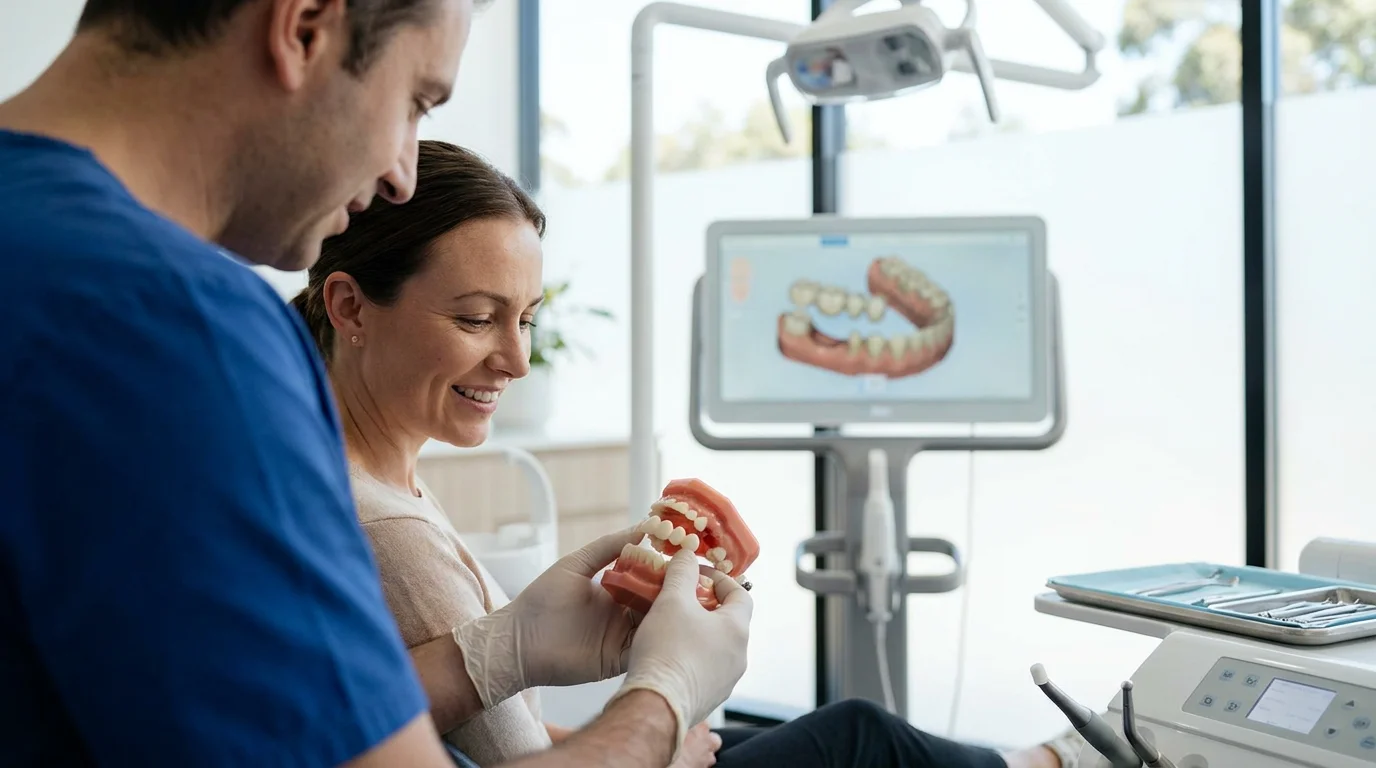
A missing tooth can affect more than the appearance of your smile. Depending on its location, a gap may change how you chew, how your bite feels and how nearby teeth sit over time.
A dental bridge is one option for replacing one or more missing teeth. It is a fixed restoration designed to fill the space left by missing teeth and may be supported by neighbouring natural teeth or dental implants, depending on the design.
At Oakstone Dental in Oakleigh, your dentist can assess the missing-tooth area, surrounding teeth, gums and bite before discussing whether a dental bridge or another tooth-replacement option may be suitable.
What Is a Dental Bridge?
A dental bridge is a custom-made restoration used to replace one or more missing teeth.
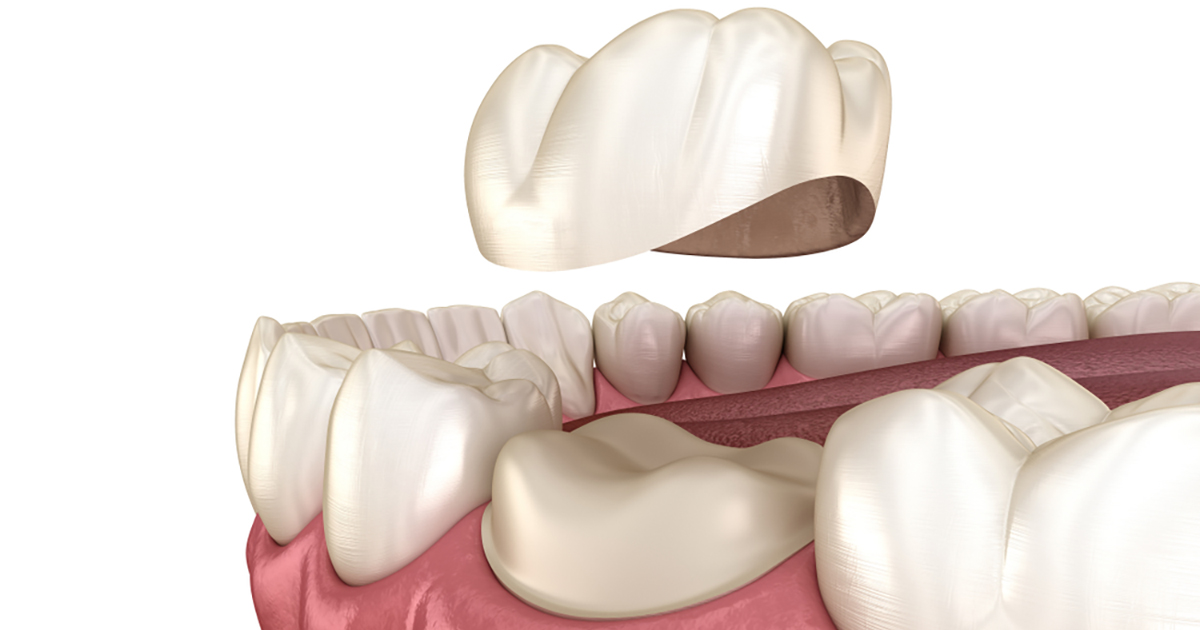
It is called a “bridge” because it spans the gap between teeth. The artificial replacement tooth is known as a pontic. Depending on the design, it may be supported by crowns fitted over neighbouring teeth, bonded attachments or dental implants.
A traditional dental bridge generally has two main components:
- An artificial tooth or teeth that fill the gap
- Supporting crowns or attachments that hold the restoration in place
Once fitted, a fixed dental bridge stays in the mouth and is not removed each day like a conventional removable denture.
A bridge may be considered when there is suitable support around the missing-tooth space and the patient’s oral health, bite and treatment goals make this approach appropriate.
You can find further information about dental bridges at Oakstone Dental.
For independent Australian patient information, Healthdirect Australia explains dental bridges and how they are used to replace missing teeth.
Why Might a Missing Tooth Need to Be Replaced?
Not every missing tooth requires immediate replacement, and the appropriate approach depends on the individual situation.
However, a gap can sometimes lead to changes in the mouth over time. Neighbouring teeth may gradually move or tilt towards the space, while a tooth in the opposite jaw may also change position.
A missing tooth may also affect chewing, particularly when a back tooth is involved. Some people begin relying more heavily on the opposite side of their mouth.
Replacing a missing tooth may, in suitable cases, help:
- Restore chewing support
- Maintain the available tooth space
- Reduce unwanted movement of neighbouring teeth
- Support bite function
- Replace a visible gap
- Assist speech when the missing tooth affects pronunciation
Whether replacement is recommended depends on factors such as the tooth position, surrounding teeth, gum health, bite and your overall treatment goals.
When Might a Dental Bridge Be Considered?
A dental bridge may be discussed when one or more teeth are missing and appropriate support is available.
Your dentist may consider a bridge if:
- You have one or more missing teeth
- Suitable supporting teeth are present
- You prefer a fixed restoration rather than a removable denture
- Dental implants are not suitable or are not your preferred option
- Neighbouring teeth already require crowns
- Restoring chewing support in the area is appropriate
A dental bridge is not suitable for everyone.
If potential supporting teeth are significantly weakened, affected by decay or gum disease, or otherwise unsuitable, another tooth-replacement approach may need to be considered.
A professional assessment is therefore essential before treatment is recommended. The Oakstone Dental team can examine the gap, surrounding teeth, gums and bite and explain which options may be appropriate for your circumstances.
Types of Dental Bridges
There are several types of dental bridges. The appropriate design depends on the position and number of missing teeth, available support and bite forces.
Traditional Dental Bridge
A traditional bridge is commonly supported by crowns fitted over teeth on both sides of the missing-tooth space.
The artificial tooth sits between these crowns to fill the gap.
This approach may be considered when suitable natural teeth are available on both sides of the space.
Because the supporting teeth usually need to be reshaped for crowns, your dentist will consider whether preparing those teeth is appropriate before recommending treatment.
Cantilever Bridge
A cantilever bridge is supported from only one side of the missing-tooth space.
Because this design can place additional leverage on the supporting tooth, it is only appropriate in selected situations.
Your dentist needs to assess the position of the missing tooth, condition of the supporting tooth and bite forces before determining whether this design is suitable.
Maryland Bridge
A Maryland bridge, also known as a resin-bonded bridge, generally uses one or more wings bonded to the back of neighbouring teeth.
It may involve less preparation of the supporting teeth than a traditional crown-supported bridge.
Maryland bridges are often considered for selected front-tooth situations, but they are not suitable for every tooth position or bite.
Implant-Supported Bridge
An implant-supported bridge receives support from dental implants rather than neighbouring natural teeth.
This type of restoration may be considered when several teeth are missing or when natural teeth are not appropriate bridge supports.
Implant treatment involves surgery and is not suitable for every patient. Factors such as jawbone, gum health, medical history, oral hygiene and treatment goals need to be assessed before implants are recommended.
What Happens During a Dental Bridge Procedure?
The dental bridge process varies according to the type of bridge and the patient’s individual circumstances.
A traditional tooth-supported bridge commonly involves several stages.
1. Consultation and Assessment
Treatment begins with a dental examination.
Your dentist may assess:
- The missing-tooth area
- Potential supporting teeth
- Gum health
- Your bite
- Existing fillings or crowns
- Oral hygiene
- Relevant medical and dental history
Dental X-rays, photographs or digital scans may also be recommended when clinically appropriate.
This assessment helps determine whether bridge treatment is suitable or whether another tooth-replacement option should also be considered.
2. Treatment Planning
If a bridge appears appropriate, your dentist can explain the proposed design and treatment process.
Planning may include:
- How many teeth need replacing
- Which teeth will support the bridge
- Whether supporting teeth require crowns
- Available restorative materials
- The expected treatment stages
- Potential risks and limitations
- Cleaning and maintenance
- Costs
- Alternative treatments
You should have an opportunity to ask questions and understand your options before deciding whether to proceed.
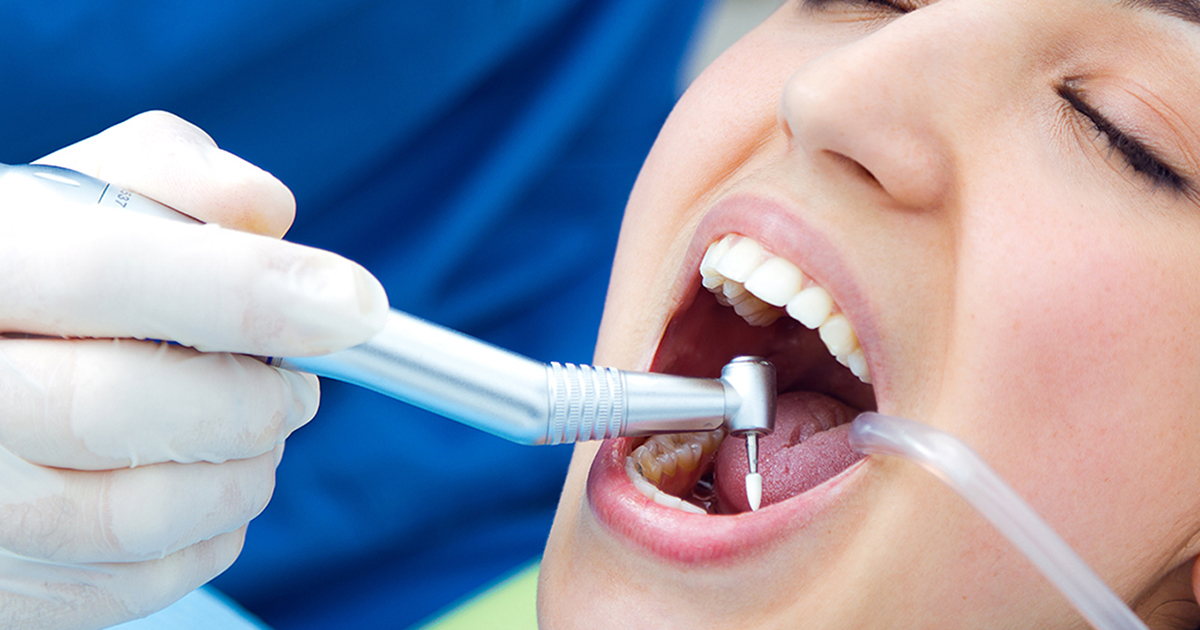
3. Preparing the Supporting Teeth
For a traditional bridge, the teeth beside the gap generally need to be prepared for crowns.
This involves removing some tooth structure so the crowns can fit over the supporting teeth.
Because this preparation is generally irreversible, your dentist should consider the condition of the supporting teeth and alternative treatments before recommending a conventional bridge.
4. Impressions or Digital Scans
After any necessary preparation, your dentist takes an accurate record of the teeth and bite.
This may involve traditional impressions or an intraoral digital scanner.
These records are used to create a bridge designed for your mouth. The shape, size, position and, where relevant, shade of surrounding teeth may also be considered.
A temporary bridge may be provided while the final restoration is being produced.
5. Fitting the Dental Bridge
When the final bridge is ready, your dentist checks it before it is permanently fitted.
This may include assessing:
- Fit
- Bite
- Shape
- Contact with neighbouring teeth
- Appearance
- Cleaning access
- Comfort
Adjustments may be made where necessary.
Once your dentist is satisfied with the restoration, the bridge is bonded or cemented into place according to its design.
Your dental team should also explain how to clean around and underneath the bridge.
Does a Dental Bridge Feel Different?
A new dental bridge may feel unfamiliar initially.
Your tongue may notice the shape of the restoration, and your bite may feel different while you become accustomed to it.
How quickly a bridge feels familiar varies between patients.
Persistent discomfort should not simply be ignored. Contact your dentist if:
- The bridge feels unusually high when biting
- Chewing remains uncomfortable
- Your bite feels uneven
- The restoration feels loose
- You develop persistent pain or sensitivity
- Food frequently becomes trapped around the bridge
A dental assessment can determine whether an adjustment or other treatment is required.
Dental Bridge vs Dental Implant vs Denture
A dental bridge is one of several ways to replace missing teeth.
The appropriate treatment depends on the number and position of missing teeth, oral health, available support, medical considerations and your preferences.
Dental Bridge
A bridge is fixed in place and may receive support from natural teeth or implants.
A traditional bridge generally involves preparing neighbouring teeth for crowns. This may be appropriate in some situations, particularly when those teeth already require significant restoration.
Dental Implant
A dental implant is placed in the jawbone to provide support for a dental restoration.
Depending on the treatment plan, implants may support:
- A single crown
- A dental bridge
- Certain types of dentures
Implants avoid relying on neighbouring teeth in the same way as a traditional tooth-supported bridge, but implant surgery is not appropriate for everyone.
Denture
A denture is a removable appliance used to replace missing teeth.
Partial dentures can replace several missing teeth while natural teeth remain. Full dentures replace all teeth in an upper or lower arch.
Some patients prefer a removable option, while others prefer a fixed restoration where suitable.
There is no single tooth-replacement treatment that is right for every patient. A dentist needs to assess your mouth before recommending an approach.
Potential Benefits of a Dental Bridge
When appropriately planned and maintained, a dental bridge may provide several practical benefits.
Depending on the individual case, it may help:
- Restore chewing support in the missing-tooth area
- Fill a visible space
- Maintain the available space between teeth
- Reduce unwanted movement of neighbouring teeth
- Provide a fixed rather than removable tooth replacement
- Support function when eating or speaking
A bridge can also be designed to coordinate with surrounding teeth in shape and shade where appropriate.
However, outcomes vary. The condition of supporting teeth, gum health, bite forces, bridge design, oral hygiene and ongoing dental care can all influence how the restoration performs.
How Long Does a Dental Bridge Last?
There is no guaranteed lifespan for a dental bridge.
A bridge may function for many years in favourable circumstances, but longevity varies between patients.
Factors that can affect a bridge include:
- Health of the supporting teeth
- Gum health
- Oral hygiene
- Bite forces
- Grinding or clenching
- Restorative materials
- Diet and habits
- Changes in the mouth over time
- Attendance for recommended dental care
A bridge may eventually require repair or replacement if, for example:
- A supporting tooth develops decay
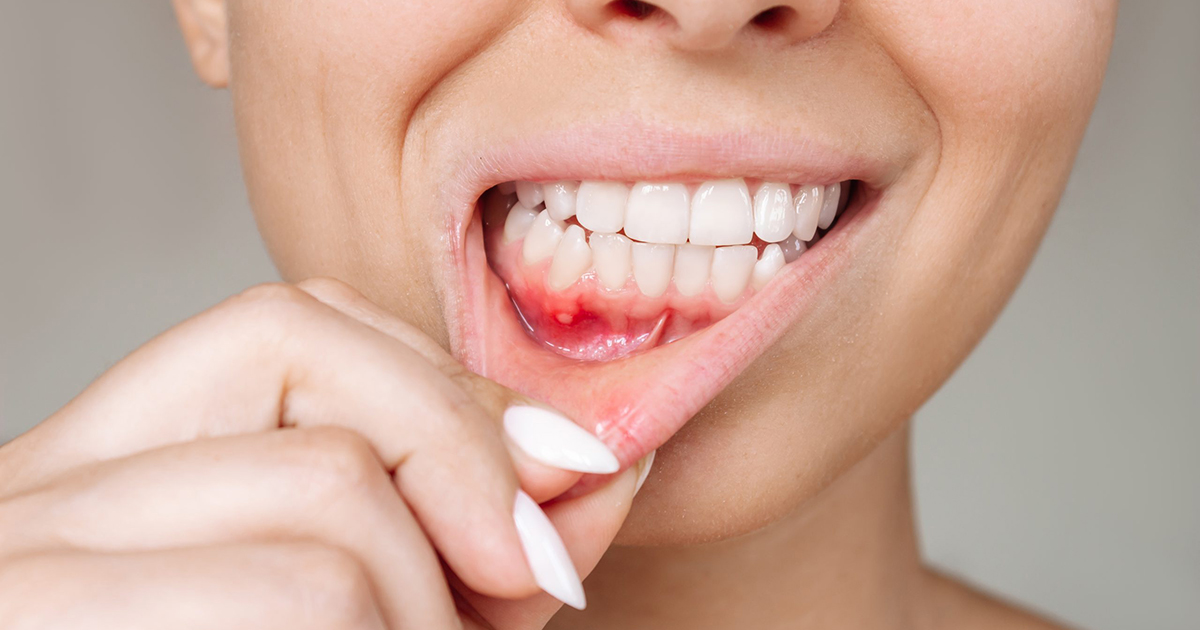
- Gum disease affects the supporting tissues
- The bridge loosens
- Restorative material chips or wears
- A supporting tooth fractures
- The bite changes
- Cleaning becomes difficult
Regular dental reviews allow your dentist to monitor both the bridge and the structures supporting it.
How Do You Care for a Dental Bridge?
A dental bridge requires daily oral hygiene.
Although an artificial replacement tooth cannot develop tooth decay, the natural supporting teeth can. Plaque can also collect around the margins of the bridge and beneath the artificial tooth.
Your dental professional may recommend:
- Brushing twice daily with fluoride toothpaste
- Cleaning carefully along the gumline
- Cleaning underneath the artificial tooth
- Using floss threaders, specialised floss or interdental brushes where appropriate
- Attending dental examinations as recommended
- Avoiding chewing hard objects such as ice or pens
- Seeking advice if the bridge becomes loose or uncomfortable
The Australian Dental Association’s information about crowns, bridges and veneers also explains the importance of appropriate cleaning and professional dental care for restorations.
Cleaning underneath a bridge can take some practice. Ask your dentist or dental hygienist to demonstrate the most appropriate technique for your particular restoration.
Is a Dental Bridge Right for You?
A dental bridge may be an option if you have one or more missing teeth and appropriate support is available, but suitability cannot be determined without an individual assessment.
Your dentist needs to consider:
- The position and number of missing teeth
- The strength of neighbouring teeth
- Gum health
- Your bite
- Existing restorations
- Oral hygiene
- Available alternatives
- Your preferences and treatment goals
In some situations, a bridge may be appropriate. In others, a dental implant, denture or another approach may be considered.
If you would like to discuss replacing a missing tooth, you can book an appointment with Oakstone Dental online for an individual dental assessment.
Final Thoughts
A dental bridge is a fixed restoration used to replace one or more missing teeth. Depending on its design, it may be supported by neighbouring teeth or dental implants.
Bridge treatment may help restore chewing support, fill a missing-tooth space and maintain tooth position in suitable cases. However, treatment needs to be carefully planned because the condition of the supporting teeth, gums and bite can affect suitability and long-term performance.
If you have a missing tooth and would like to understand whether a bridge or another replacement option may be appropriate, contact Oakstone Dental to arrange an individual assessment.
FAQs
What is a dental bridge used for?
A dental bridge is used to replace one or more missing teeth with an artificial tooth or teeth supported by suitable natural teeth or dental implants. Whether a bridge is appropriate depends on the missing-tooth area, available support, gums, bite and other individual factors.
Is a dental bridge removable?
Most conventional dental bridges are fixed in place by a dental professional and are not removed by the patient each day. This differs from a conventional denture, which is designed to be removable.
Does a dental bridge procedure take more than one appointment?
A traditional dental bridge commonly requires more than one appointment, although the exact number varies. Treatment may involve assessment, tooth preparation, scans or impressions, a temporary restoration where required, fitting and adjustments.
Is dental bridge treatment suitable for everyone?
No. A bridge is not suitable for every patient or every missing-tooth space. A dentist needs to assess the supporting teeth, gums, bite, available space and overall oral health before determining whether a dental bridge may be appropriate.
How do I clean under a dental bridge?
Cleaning under a dental bridge may involve a floss threader, specialised floss, interdental brushes or another cleaning aid recommended by your dental professional. Your dentist or dental hygienist can demonstrate the appropriate method for your bridge design.
Can a dental bridge replace more than one tooth?
A dental bridge can replace more than one missing tooth in selected cases. Suitability depends on factors such as the number and location of missing teeth, available support, condition of the supporting teeth or implants and bite forces.
Should I replace a missing tooth straight away?
Not every missing tooth requires immediate replacement. However, leaving a gap can sometimes allow changes in tooth position, chewing or bite over time. A dentist can assess the area and explain whether replacement, monitoring or another approach may be appropriate.