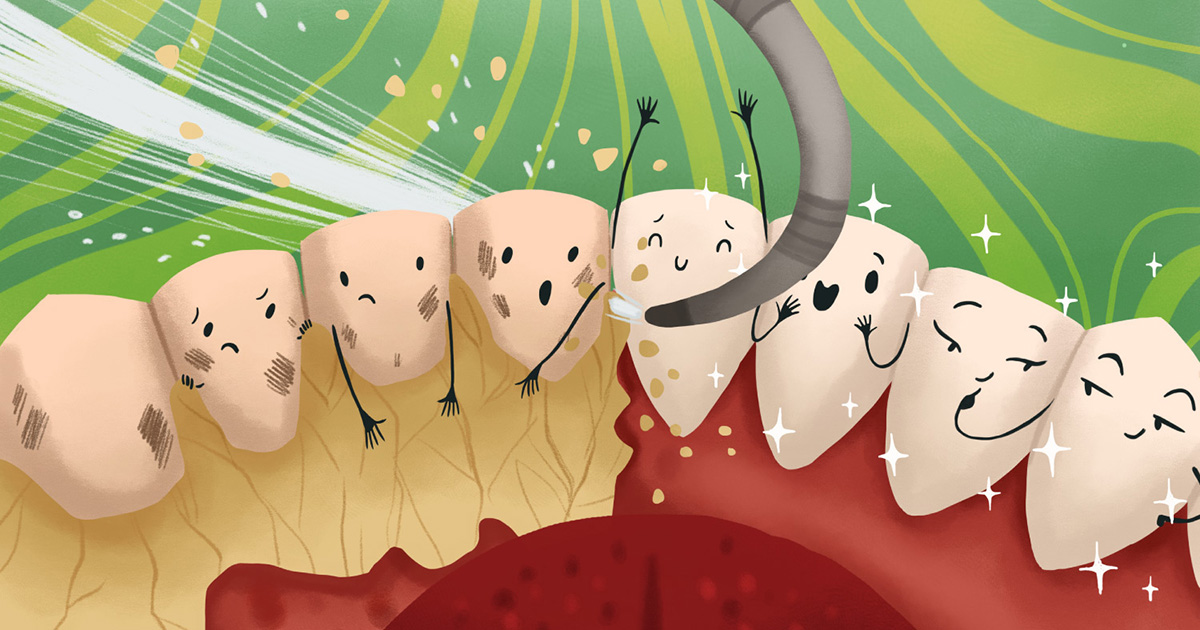
Soft dental plaque can usually be removed at home with thorough brushing and daily cleaning between the teeth. Once plaque hardens into tartar, or calculus, it cannot be brushed or flossed away reliably and needs professional removal. Persistent bleeding, swollen gums, gum recession or loose teeth should also be assessed by a dental professional.
Plaque forms on everyone’s teeth. The goal is not to stop it appearing completely, that is unrealistic, but to remove it regularly before it contributes to tooth decay, gum inflammation or hardens into tartar.
The good news is that controlling soft plaque usually does not require complicated products or aggressive home remedies. Effective brushing, interdental cleaning and fluoride toothpaste do most of the day-to-day work.
The important part is knowing the difference between plaque you can remove yourself and hardened deposits that need professional cleaning.
Plaque vs Tartar: What Is the Difference?
Plaque and tartar are related, but they are not the same thing.
| Dental plaque | Tartar / calculus | |
| What is it? | A soft, sticky layer containing bacteria that continually forms on teeth | Plaque that has hardened after minerals from saliva become incorporated into it |
| What can it feel like? | Teeth may feel fuzzy or coated | Usually feels hard or rough |
| Can it be removed at home? | Usually, with effective brushing and interdental cleaning | No — established tartar requires professional cleaning |
| Where can it form? | On teeth, around the gumline and between teeth | Above and below the gumline |
| Why does it matter? | Plaque contributes to tooth decay and gum inflammation | Its rough surface can make further plaque accumulation easier and may be associated with gum problems |
Plaque is a sticky bacterial layer that forms on teeth every day. If it is not removed, minerals in saliva can cause it to harden into calculus, commonly called tartar. Once plaque has hardened into tartar, it requires professional removal.
That distinction matters because brushing harder will not turn tartar back into removable plaque.
How Do You Remove Plaque From Teeth at Home?
The most reliable home routine consists of:
- brushing twice a day
- brushing for about two minutes
- using fluoride toothpaste
- cleaning between the teeth every day
- paying attention to the gumline and areas you commonly miss
Products can help, but technique and consistency matter more than collecting a bathroom cabinet full of dental products.
1. Brush Twice a Day for About Two Minutes
Toothbrushing physically disrupts and removes plaque from the accessible surfaces of your teeth.
Aim to brush once in the morning and once before bed for approximately two minutes each time.
Use a soft-bristled toothbrush with fluoride toothpaste. Current Australian guidance recommends brushing twice each day for two minutes and avoiding excessive pressure.
Pay particular attention to areas where plaque is easily missed:
- along the gumline
- behind the lower front teeth
- inside the upper and lower teeth
- around back molars
- around crowded teeth
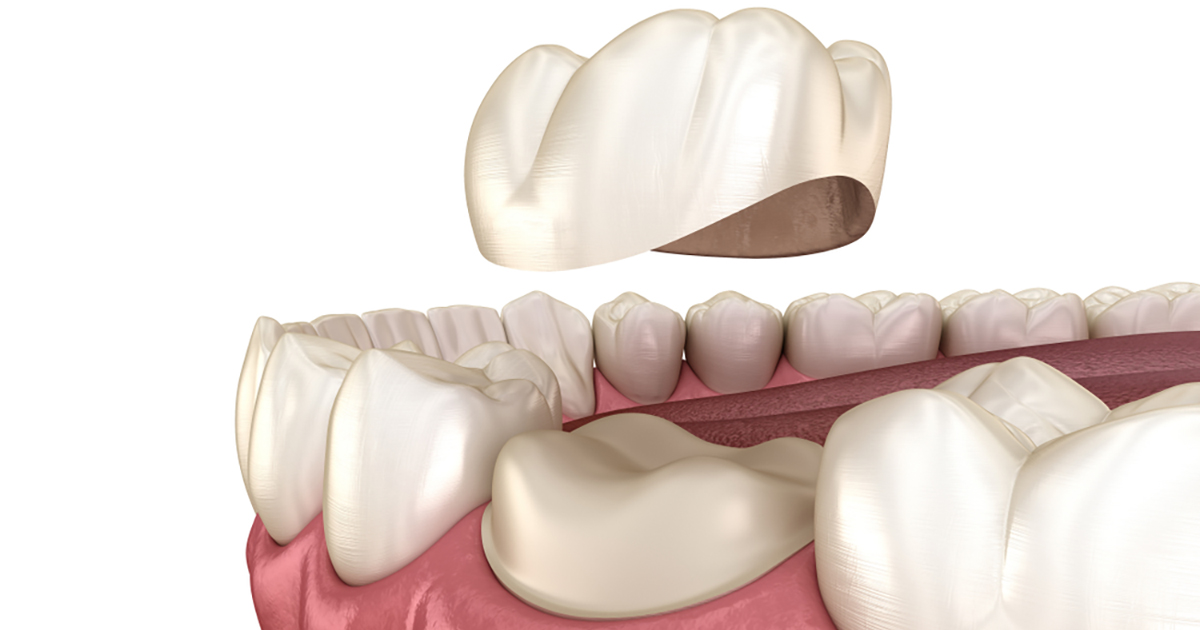
- beside fillings, crowns and other dental work
A quick brush over the front surfaces may leave significant plaque elsewhere.
Manual or Electric Toothbrush?
Either can work well.
An electric toothbrush may make consistent plaque removal easier for some people and may be useful if you struggle with dexterity, brushing pressure or reaching certain areas.
However, technique still matters. An expensive toothbrush will not help much if you repeatedly miss the same teeth.
Oakstone Dental’s guide to brushing your teeth properly covers brushing and interdental cleaning in more detail.
2. Clean Between Your Teeth Every Day
Even excellent brushing does not completely clean the spaces where neighbouring teeth meet.
That is where interdental cleaning comes in.
Depending on your teeth, suitable options may include:
- dental floss
- interdental brushes
- floss holders
- water flossers
- another interdental aid recommended by your dental professional
Australian dental guidance recommends cleaning between the teeth every day, because toothbrush bristles cannot effectively reach all of these spaces.
Is Floss Always the Best Option?
Not for everyone.
Floss works well where teeth contact closely, but interdental brushes may be easier or more effective where there are larger spaces, gum recession, braces or certain types of dental work.
The brush should fit comfortably rather than being forced through the gap.
If you are unsure which size or tool is appropriate, ask your dentist or dental professional to show you.
3. Use Fluoride Toothpaste
Fluoride toothpaste is important, although fluoride’s main role is not to physically dissolve plaque.
Brushing removes plaque mechanically. Fluoride helps protect tooth enamel against tooth decay and supports the remineralisation of early enamel changes.
That means the two work together:
brushing removes plaque
while
fluoride helps protect the tooth surface
Use the amount of toothpaste appropriate for your age and follow your dentist’s recommendations if you have a particularly high risk of decay.
4. Pay Attention to the Gumline
Plaque often builds up where teeth meet the gums.
This is an area many people either miss completely or attack too aggressively.
Neither approach is ideal.
Use a soft toothbrush and clean gently but thoroughly around the gumline. Brushing harder does not necessarily remove more plaque and excessive pressure can damage teeth and gums over time.
If your toothbrush bristles become flattened and spread out quickly, that can be a sign you are using more pressure than necessary.
5. Create a Brushing Pattern So You Do Not Miss Teeth
One practical way to improve plaque removal is to follow the same sequence every time you brush.
For example:
- start with the outside surfaces of the upper teeth
- work around the mouth
- clean the inside surfaces
- clean the biting surfaces
- repeat on the lower teeth
- finish by checking the gumline
A consistent pattern is useful because people commonly have one or two areas they repeatedly overlook without realising it.
Can You Remove Tartar From Teeth at Home?
No. Once plaque has hardened into tartar, normal brushing and flossing cannot reliably remove it.
Tartar is firmly attached to the tooth surface and requires professional dental instruments for safe removal.
Trying to remove it yourself with metal tools, sharp objects or aggressive abrasive products creates a risk of damaging:
- gums
- enamel
- exposed root surfaces
- fillings
- crowns
You may also miss deposits below the gumline that you cannot see.
If something feels hard and remains attached despite good brushing, let your dental professional assess it rather than trying to scrape it away.
How Can You Tell Plaque From Tartar?
Plaque tends to be soft.
You may notice:
- a fuzzy feeling on the teeth
- a sticky film
- build-up near the gumline
- areas that feel smoother after brushing
Tartar is hard.
It may:
- feel rough when your tongue passes over it
- appear yellow, cream, brown or darker
- collect behind the lower front teeth
- develop around the gumline
- remain after thorough brushing
You cannot always accurately identify deposits yourself. Staining, tartar and changes to the tooth surface can sometimes look similar.
If you are unsure, have the area checked.
How Is Tartar Removed Professionally?
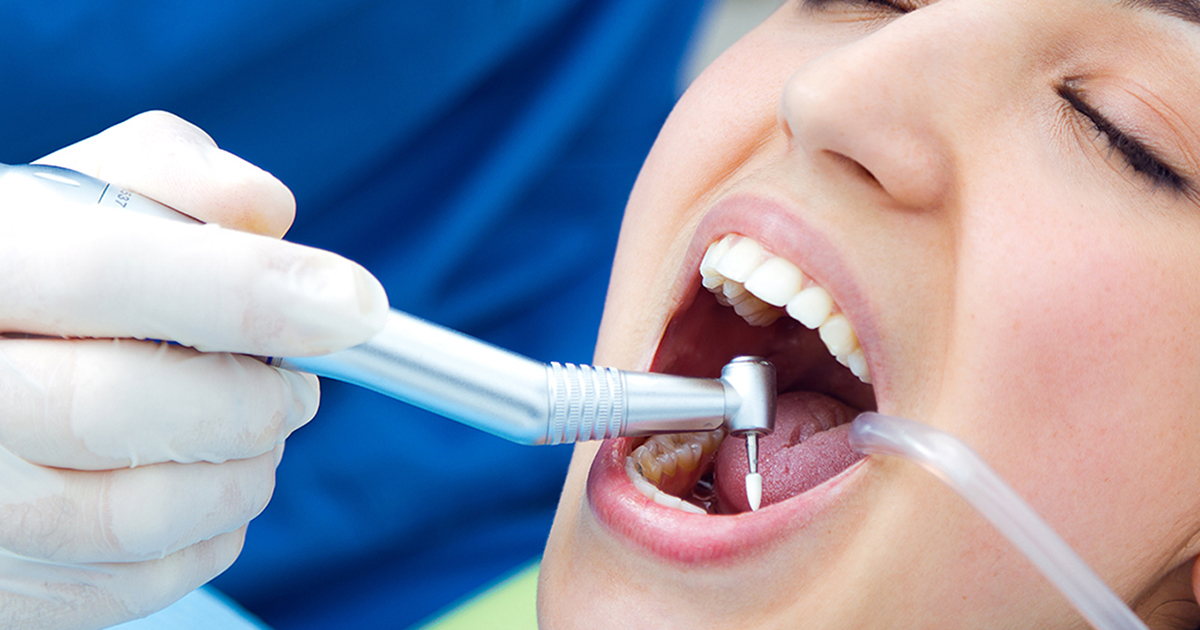
Professional cleaning uses dental instruments designed to remove plaque and hardened calculus from tooth surfaces.
These may include:
- ultrasonic scalers
- hand instruments
- polishing instruments
At Oakstone Dental, a check-up and professional clean includes examination of the teeth and gums and professional removal of plaque and tartar where required. Oakstone’s current service information notes that hardened deposits can remain in areas that are difficult to clean thoroughly at home.
Professional cleaning is not simply cosmetic polishing. It also gives the dental team an opportunity to assess whether plaque or tartar is associated with gum inflammation, decay or other oral-health concerns.
Routine Cleaning vs Deep Cleaning
A routine clean and periodontal deep cleaning are not necessarily the same treatment.
Routine Professional Clean
A routine clean is generally part of preventive dental care.
It may involve removing plaque and tartar around accessible tooth surfaces and the gumline.
Periodontal Deep Cleaning
When gum disease has created deeper pockets around teeth, deposits may extend below the gumline and onto root surfaces.
More involved periodontal cleaning may then be necessary.
Periodontal treatment can involve thorough removal of plaque and tartar below the gums, sometimes over more than one appointment.
Oakstone also has further information about periodontal pockets and how they develop.
Why Does Plaque Keep Coming Back?
Because plaque naturally forms again after you clean your teeth.
It is a bacterial biofilm that continually develops on tooth surfaces.
That does not mean your brushing has failed.
Successful plaque control is about regular disruption, not permanently eliminating bacteria from your mouth.
This is why brushing once very thoroughly and then ignoring your teeth for several days does not work as well as a consistent daily routine.
What Happens If Plaque Is Not Removed?
Persistent plaque accumulation can contribute to two major dental problems.
Tooth Decay
Bacteria within plaque can use sugars from foods and drinks and produce acids.
Repeated acid exposure can cause minerals to be lost from enamel and eventually contribute to tooth decay.
Brushing with fluoride toothpaste, cleaning effectively and limiting frequent sugar exposure all play a role in reducing this risk.
Gum Disease
Plaque around the gumline can cause inflammation.
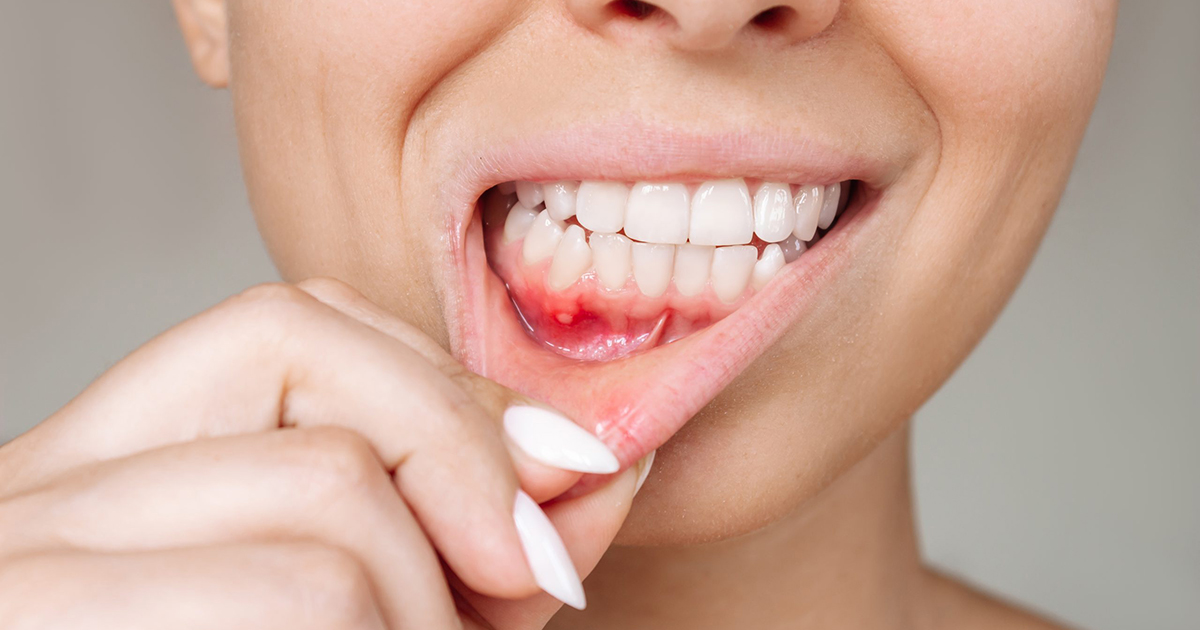
Early gum disease, or gingivitis, may cause:
- bleeding gums
- redness
- swelling
- tenderness
- bad breath
If gum disease progresses to periodontitis, deeper pockets may develop and the bone supporting the teeth can be affected.
This is why plaque control is about more than making teeth feel smooth.
Why Do My Gums Bleed When I Brush or Floss?
Bleeding gums are often associated with inflammation.
When plaque accumulates around the gumline, the tissues can become swollen and bleed more easily during brushing or interdental cleaning.
Do not automatically stop cleaning the area because you see a small amount of bleeding.
Current Australian guidance notes that plaque-related gum inflammation can cause bleeding, and regular brushing and interdental cleaning remain important.
However, persistent or heavy bleeding deserves assessment.
When Should Bleeding Gums Be Checked?
Arrange a dental assessment if your gums:
- bleed frequently
- remain swollen or red
- are receding
- feel painful
- bleed heavily
- are associated with persistent bad breath
- produce discharge or pus
- occur alongside loose teeth
Frequent bleeding may indicate gum disease or another problem that requires more than changes to brushing technique. Persistent bleeding gums should be assessed, particularly when other symptoms are present.
Does Mouthwash Remove Plaque?
Mouthwash should not replace brushing and interdental cleaning.
Certain therapeutic mouth rinses can have a role for specific patients, depending on their ingredients and why they are being recommended.
But rinsing alone does not physically clean every tooth surface, particularly:
- between tightly contacting teeth
- under areas of plaque accumulation
- around complex dental work
- where plaque is firmly attached
If your dentist recommends a particular rinse for a specific condition, follow those instructions.
For everyday plaque control, focus first on brushing and interdental cleaning rather than assuming everyone needs an antimicrobial mouthwash.
Can Baking Soda Remove Plaque?
Commercial toothpastes may contain carefully formulated abrasive ingredients that help remove plaque and surface stains.
That is different from repeatedly scrubbing your teeth with homemade mixtures.
If plaque is soft, normal brushing can remove it.
If a deposit is hard tartar, aggressive baking soda scrubbing will not safely replace professional scaling.
There is no need to turn plaque removal into a DIY chemistry experiment.
What About Vinegar, Lemon Juice or Other Acidic Home Remedies?
Avoid using acidic household products to try to dissolve deposits from your teeth.
Acids can soften and erode tooth enamel.
If something is attached firmly enough that normal brushing and interdental cleaning do not remove it, the safer option is professional assessment.
Trying to dissolve tartar at home risks damaging the tooth surface while leaving the real problem untreated.
Can You Scrape Tartar Off With a Dental Tool at Home?
It is not recommended.
Dental instruments are designed to be used with appropriate training and visibility.
Trying to scale your own teeth can:
- cut the gums
- push deposits further below the gumline
- scratch root surfaces
- damage restorations
- miss periodontal disease
- mistake tooth structure for tartar
Professional tartar removal also includes assessing the surrounding gums, not simply scraping away whatever looks rough.
Common Plaque-Removal Mistakes
Brushing Too Hard
More pressure does not equal cleaner teeth.
A soft toothbrush and good technique are usually more important than force.
Ignoring the Gumline
Plaque frequently accumulates where teeth meet the gums.
Clean this area carefully rather than brushing only the middle of each tooth.
Never Cleaning Between Teeth
Even excellent brushing cannot fully clean tight spaces between neighbouring teeth.
Use floss, interdental brushes or another suitable device daily.
Assuming Hard Tartar Will Eventually Brush Away
It will not.
Once plaque has mineralised into calculus, professional removal is needed.
Depending on Mouthwash Instead of Mechanical Cleaning
A mouth rinse cannot replace the physical removal of plaque from tooth surfaces.
Stopping Flossing Because the Gums Bleed
Inflamed gums often bleed more easily.
Continue gentle cleaning and arrange an assessment if bleeding persists.
Using Sharp Objects to Pick at Deposits
Pins, metal scrapers and household objects can injure your gums and damage teeth.
Brushing for Only a Few Seconds
People often overestimate how long they brush.
Using a two-minute timer can make a surprisingly large difference.
Practical Tips for Better Plaque Removal
Good plaque control is usually more about consistency than buying additional products.
Use a Timer
Brush for about two minutes.
A phone timer or the timer built into an electric toothbrush can help.
Start in the Area You Usually Miss
If tartar always forms behind your lower front teeth, start there while you are concentrating.
Use the Same Route Around Your Mouth
Following a sequence can stop you skipping sections.
Check Your Interdental Tools
If floss is difficult to use, ask whether interdental brushes or another option would suit you better.
Do Not Rush Bedtime Brushing
Night-time brushing removes plaque accumulated through the day and is worth doing properly.
Spit After Brushing Rather Than Immediately Washing Everything Away
This allows fluoride from the toothpaste to remain in contact with the teeth for longer.
Ask for Individual Feedback
At your next dental visit, ask which areas of your mouth have the most plaque or tartar.
Knowing exactly where you are missing is often more useful than generic advice.
How Often Should You Have a Professional Clean?
There is no single schedule that is right for every patient.
How often professional cleaning is appropriate can depend on:
- gum health
- how quickly you develop tartar
- previous periodontal disease
- home plaque control
- tooth decay risk
- smoking
- medical conditions
- existing dental work
Oakstone Dental’s current preventive-care approach is based on individual needs rather than assuming exactly the same interval for everyone.
If you regularly develop tartar despite good home care, your dentist can advise how often you should return.
Frequently Asked Questions About Dental Plaque
What is the fastest way to remove plaque from teeth?
For soft plaque, brush thoroughly with fluoride toothpaste and clean between your teeth.
If the deposit feels hard and remains after brushing, it may be tartar rather than plaque. Tartar needs professional removal.
Can you remove all plaque at home?
You can remove much of the soft plaque on accessible tooth surfaces with good home care.
However, some areas are difficult to reach, particularly between teeth and around complex dental work. Daily interdental cleaning is important because toothbrush bristles cannot reach every surface.
How do I know if it is plaque or tartar?
Plaque is usually soft and may make your teeth feel fuzzy.
Tartar is hard, rough and firmly attached.
If you cannot remove an area through normal brushing and cleaning between the teeth, have it assessed rather than trying to scrape it yourself.
Can an electric toothbrush remove tartar?
No.
An electric toothbrush can be effective for removing soft plaque, but once plaque has hardened into calculus it needs professional removal.
Does floss remove plaque?
Yes.
Floss removes plaque and food debris from areas a toothbrush cannot effectively reach.
Interdental brushes and water flossers can also be useful alternatives for certain patients.
Can plaque cause bad breath?
Yes. Plaque and gum inflammation can contribute to unpleasant breath.
However, bad breath has several possible causes, so persistent halitosis should not automatically be blamed on plaque alone.
Why do I get tartar so quickly?
People form tartar at different rates.
Factors such as saliva composition, tooth position and how effectively plaque is removed can influence accumulation.
If you develop significant tartar despite regular brushing and interdental cleaning, ask your dental professional to review your technique and recommend an appropriate cleaning interval.
Why does plaque build up behind my bottom front teeth?
This is a common area for deposits because it can be difficult to clean and is close to openings of major salivary glands.
Spend extra time cleaning these surfaces, but do not try to scrape hardened tartar away yourself.
Should I keep flossing if my gums bleed?
In many cases, yes — gently.
Inflamed gums can bleed when plaque is disturbed. Avoid abandoning interdental cleaning altogether, as leaving plaque behind can allow inflammation to continue.
Persistent or heavy bleeding should be professionally assessed.
When should I see a dentist about plaque?
Arrange an assessment if you have:
- hard deposits you cannot remove
- gums that bleed regularly
- swollen or receding gums
- persistent bad breath
- loose teeth
- pain
- difficulty cleaning particular areas
A dental professional can determine whether you are dealing with soft plaque, tartar, gingivitis, periodontitis or another problem.
The Bottom Line: Remove Plaque at Home, Not Tartar
The safest way to deal with dental plaque is also the simplest:
- brush twice a day
- brush for about two minutes
- use fluoride toothpaste
- clean between your teeth every day
- clean gently around the gumline
- do not scrape hard deposits yourself
- have persistent gum bleeding assessed
- arrange professional cleaning when tartar is present
Soft plaque is something you can usually control at home. Hardened tartar is not.
If hard deposits have built up or your gums are regularly bleeding, a check-up and professional clean at Oakstone Dental allows the teeth and gums to be assessed and plaque or tartar to be removed where needed.
For broader concerns about gum health, preventive care or maintaining your teeth, you can also learn more about general dentistry at Oakstone Dental.