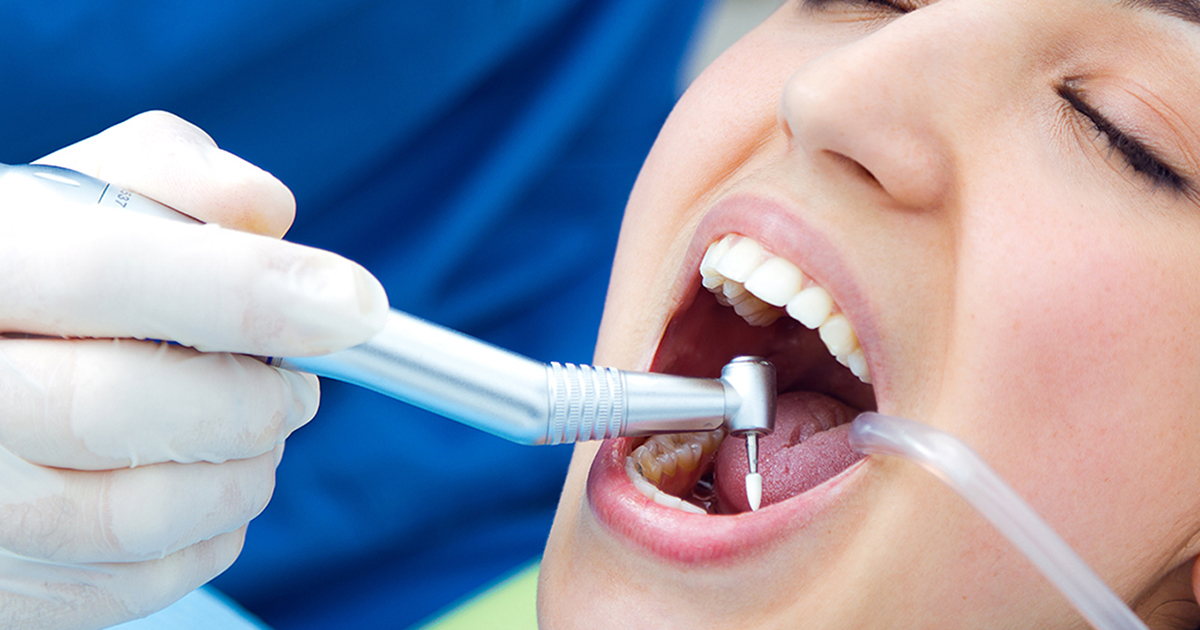
If your dentist has told you that a tooth may need root canal treatment or an extraction, you are probably wondering which option makes more sense for you.
It is a fair question.
Both treatments can be used to manage a badly damaged or infected tooth, but they work in very different ways. Root canal treatment aims to keep the natural tooth, while an extraction removes it completely. The more suitable choice depends on the condition of the tooth, the surrounding gums and bone, your overall oral health and whether the tooth can be predictably restored.
At Oakstone Dental in Oakleigh, this is a comparison patients may need to consider when dealing with significant decay, infection, trauma or structural damage. Most people want to understand why one treatment may be recommended over another, what happens afterwards and what the longer-term picture could look like.
There is no single answer that suits every tooth. A dental assessment is needed to determine which option may be appropriate for your circumstances.
Why Does the Root Canal vs Extraction Decision Come Up?
Root canal treatment or extraction is often discussed when the dental pulp — the soft tissue inside a tooth containing nerves and blood vessels — becomes infected, inflamed or badly damaged.
This can happen because of:
- Deep tooth decay
- A crack or fracture
- Dental trauma
- A large existing filling
- Repeated dental treatment affecting the pulp
Possible symptoms include throbbing pain, lingering sensitivity to hot or cold, discomfort when biting, swelling or an ache that does not settle.
According to Healthdirect’s information on root canal treatment, the procedure removes infected or damaged pulp from inside a tooth and may allow the natural tooth to be retained. Healthdirect also notes that antibiotics alone do not cure an infection within the root canal system.
When the pulp is significantly affected, two possible approaches may therefore be discussed:
- Treating the inside of the tooth with root canal therapy and restoring it
- Removing the tooth with an extraction
Which option is more appropriate depends on the individual tooth and its overall prognosis.
What Does Root Canal Treatment Involve?
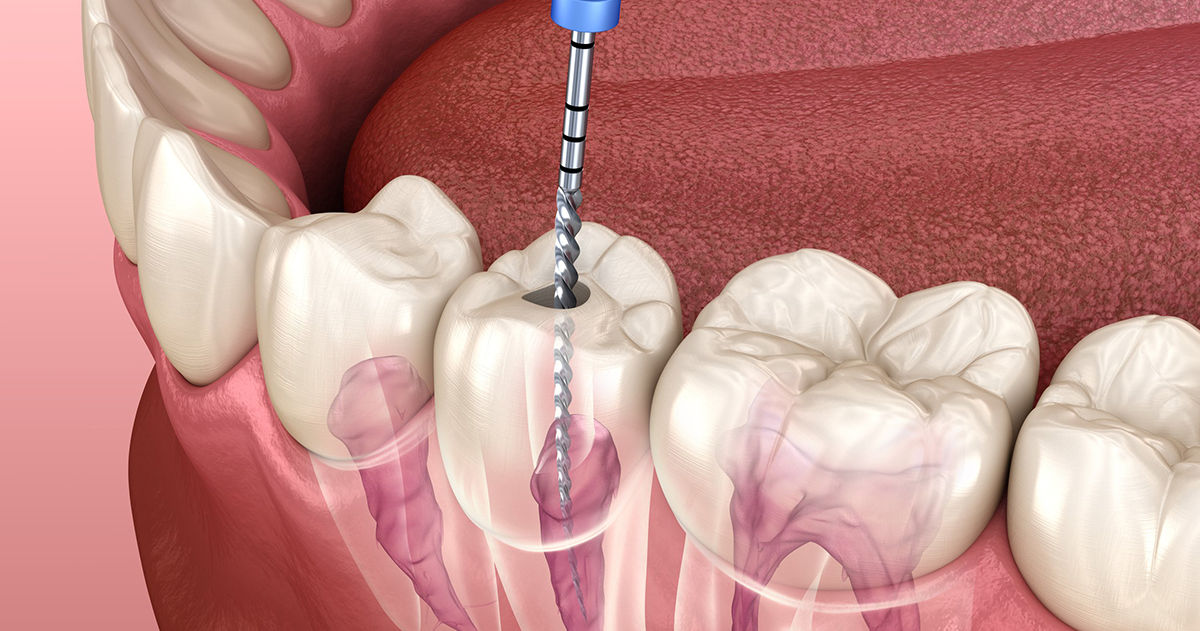
Root canal treatment is designed to treat infected or damaged pulp while retaining the natural tooth where this is clinically suitable.
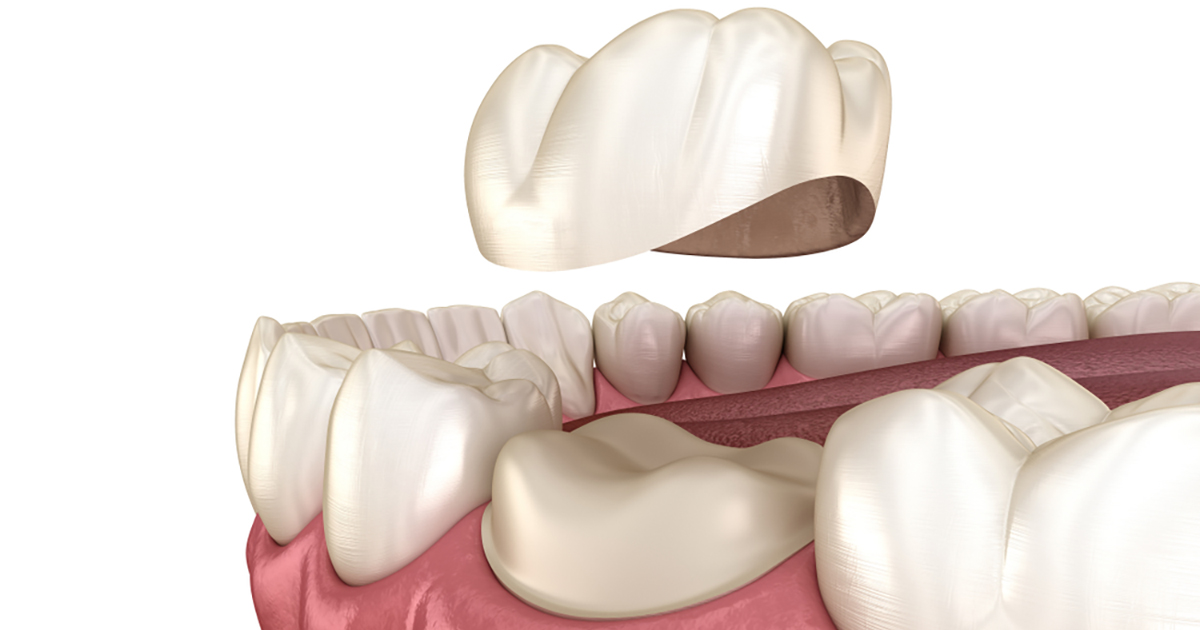
During treatment, the affected tissue is removed from inside the tooth. The root canals are then cleaned, shaped, disinfected, filled and sealed. The tooth subsequently needs an appropriate restoration, which may be a filling or crown depending on its condition.
The Australian Dental Association explains that root canal treatment is intended to repair and retain a badly damaged or infected tooth instead of removing it.
You can also learn more about root canal therapy at Oakstone Dental if this treatment has been recommended for your tooth.
Why Keep the Natural Tooth?
The main purpose of root canal treatment is to retain a tooth that still has a reasonable chance of being restored and functioning.
Keeping a suitable natural tooth avoids immediately creating a gap and may allow the tooth to continue contributing to normal chewing and your existing bite.
However, root canal treatment cannot make every badly damaged tooth suitable for long-term retention.
Enough healthy tooth structure and adequate support need to remain so the tooth can be restored after the root canal procedure. The decision therefore involves assessing the whole tooth, not simply whether the infected pulp can be removed.
What Does a Tooth Extraction Involve?
A tooth extraction removes the tooth completely.
Extraction may be recommended when a tooth cannot be predictably restored, has a severe fracture or has another problem that gives it a poor outlook.
Healthdirect notes that tooth extraction may be required for conditions including severe tooth decay, infection, broken teeth and significant gum disease.
The area is generally numbed before the tooth is removed. Some extractions are relatively straightforward, while others can be more complex depending on:
- The position of the tooth
- The shape of its roots
- Existing cracks or fractures
- How much tooth structure remains
- Surrounding bone
- Infection or inflammation
What Happens After an Extraction?
Once a tooth is removed, a space remains.
Whether that missing tooth should be replaced depends on factors such as the location of the tooth, your bite, surrounding teeth, oral health and individual goals.
Possible replacement options may include:
- A dental implant
- A dental bridge
- A removable denture
- No replacement in selected situations
The Australian Dental Association identifies implants, bridges and dentures as different options for replacing missing teeth.
This is why it can be useful to compare not only root canal treatment versus extraction, but also root canal treatment versus extraction plus any future tooth-replacement treatment that may be appropriate.
Extraction vs Root Canal: What Factors Influence the Decision?
There is no single rule for deciding between the two.
Your dentist needs to consider several factors before recommending treatment.
How Much Healthy Tooth Structure Remains?
This is one of the most important considerations.
Root canal treatment can address infection inside a tooth, but enough tooth structure must remain to restore the tooth afterwards.
If significant decay or fracture has left very little healthy tooth structure, the tooth may not be able to support an appropriate filling, crown or other restoration.
In that situation, extraction may need to be considered.
The goal is not simply to complete root canal treatment successfully. The tooth must also be capable of being restored afterwards with a reasonable clinical outlook.
How Extensive Is the Infection?
Your dentist will also assess what is happening around the tooth and root.
A dental examination and X-rays can provide information about:
- The depth of decay
- Changes around the tooth root
- Surrounding bone
- Existing restorations
- Root anatomy
- Other factors affecting prognosis
Healthdirect advises that untreated root canal infection may cause inflammation and damage to tissues around the tooth and can eventually result in the tooth needing extraction.
This does not mean that the presence of infection automatically determines whether a tooth should be saved or removed. The overall condition and restorability of the tooth still need to be considered.
Is the Tooth Cracked?
The location and extent of a crack can significantly affect treatment options.
Some cracked teeth can be restored. Others cannot.
The Australian Dental Association explains that the treatment for a cracked tooth depends on how far the crack extends. If the pulp is affected, root canal treatment may sometimes be required, while severe cracks extending deeply into the tooth may make extraction necessary.
A crack can also be difficult to assess by looking at the tooth yourself.
Your dentist may need to examine the tooth closely, assess existing restorations and use dental X-rays or other diagnostic techniques before recommending treatment.
What Is the Condition of the Gums and Bone?
The tooth itself is only part of the picture.
Your dentist also needs to consider the structures supporting it.
Assessment may include:
- Gum health
- Bone support
- Tooth mobility
- The condition of neighbouring teeth
- Oral hygiene
- Your bite
- Other dental conditions
A tooth may technically be suitable for root canal treatment but have a poor overall outlook if it lacks adequate periodontal support.
This is why treatment recommendations should consider the whole mouth rather than the painful tooth in isolation.
How Does Your Bite Affect the Tooth?
The way your upper and lower teeth meet can influence the amount of pressure placed on an individual tooth.
Grinding and clenching may also expose a weakened tooth or restoration to additional forces.
Your dentist may therefore ask whether you experience signs such as:
- Teeth grinding
- Jaw clenching
- Tooth wear
- Jaw discomfort
- Morning headaches
- Previous cracked teeth or restorations
These factors can influence both treatment planning and how a tooth may need to be restored after root canal therapy.
Cost and Long-Term Treatment Planning
Cost is understandably an important consideration, but comparing only the initial price of root canal treatment and extraction may not show the whole picture.
Root canal treatment may involve:
- Dental assessment and X-rays
- Root canal therapy
- A filling, crown or another final restoration
- Follow-up dental care
An extraction may involve:
- Assessment and X-rays
- Removal of the tooth
- Post-extraction care
- Possible future replacement of the missing tooth
If tooth replacement is recommended after extraction, a dental implant, bridge or denture may become part of the overall treatment plan.
Useful questions to ask include:
- Can this tooth be predictably restored?
- What will the tooth need after root canal treatment?
- What happens if it is extracted?
- Should the missing tooth be replaced?
- What maintenance will each option require?
- What are the risks and limitations?
- What are the likely overall treatment costs?
A dental examination gives your dentist the information needed to discuss these questions in relation to your actual tooth.
Is Saving the Natural Tooth Always Better?
Not necessarily.
Root canal treatment can be an appropriate option when a tooth has infected or damaged pulp but remains suitable for restoration. Both Healthdirect and the Australian Dental Association describe preservation of the natural tooth as a key purpose of root canal therapy.
However, a tooth should not automatically be retained simply because root canal treatment is technically possible.
Extraction may be considered if the tooth has factors such as:
- Severe loss of tooth structure
- An extensive or deep fracture
- Inadequate gum or bone support
- Significant mobility
- Damage that prevents predictable restoration
- Other clinical factors that give it a poor outlook
Saving the tooth can be worthwhile when the tooth is both treatable and restorable.
If its prognosis is poor, extraction and consideration of appropriate replacement options may be a more suitable approach.
Treatment suitability, prognosis and results depend on an individual dental assessment. Neither root canal treatment nor extraction is automatically the better choice for every patient or every tooth.
Root Canal or Extraction for a Cracked Tooth?
A cracked tooth can make this decision particularly complicated.
If a crack is limited and the tooth remains restorable, treatment may be possible. Depending on the location of the crack and the health of the pulp, options could include a restoration, crown, root canal therapy or a combination of treatments.
If a fracture extends deeply through the tooth or root, retaining the tooth may not be possible.
The Australian Dental Association notes that severe vertical cracks can sometimes require extraction, while cracks affecting the pulp may require root canal treatment when the tooth remains suitable for treatment.
Because you cannot reliably determine the depth of a tooth crack yourself, professional assessment is important.
What Happens If You Delay Treatment?
Delaying treatment for an infected tooth can allow the problem to become more complicated.
Pain can sometimes come and go. A reduction in pain does not necessarily mean the underlying infection has resolved.
Healthdirect advises that untreated root canal infection can lead to ongoing inflammation and damage around the affected tooth. Without treatment, extraction may eventually become necessary.
A dental abscess may also develop when bacteria cause an infection in or around a tooth. Healthdirect notes that treatment for a tooth abscess may involve root canal therapy or removal of the tooth, depending on the cause and circumstances.
Arrange prompt dental care if you develop symptoms such as:
- Increasing tooth pain
- Swelling around a tooth
- Facial or jaw swelling
- Fever
- Pain when biting
- An unpleasant taste associated with swelling or drainage
If swelling affects your breathing or swallowing, seek urgent medical attention.
Delaying assessment can also reduce the available dental treatment options if more tooth structure is lost over time.
What Is Recovery Like After Root Canal Treatment?
Some tenderness after root canal treatment can occur as the tooth and surrounding tissues settle.
Healthdirect notes that discomfort may occur following treatment and generally improves during recovery.
Your dentist will provide instructions relevant to your particular treatment.
Contact your dentist if:
- Pain becomes more severe rather than improving
- Swelling develops or increases
- A temporary restoration becomes loose or comes out
- Your bite feels significantly different
- You have another symptom that concerns you
The tooth will also require an appropriate final restoration.
For some teeth, particularly premolars and molars, a crown may be recommended after root canal treatment to protect and restore the remaining tooth structure. The Australian Dental Association notes that crowns are commonly considered for these teeth after root canal therapy.
Whether a crown is required depends on the individual tooth.
What Is Recovery Like After an Extraction?
An extraction leaves a socket that needs time to heal.
Your dentist will provide specific aftercare instructions based on the tooth and procedure. Following these instructions is important for normal healing.
One possible complication after extraction is dry socket, which can cause significant pain when the protective blood clot within the socket is disrupted or lost. Healthdirect advises seeing your dentist or oral surgeon if severe pain develops following an extraction.
If you develop worsening pain, significant swelling, persistent bleeding or other concerning symptoms after an extraction, contact your dental professional for advice.
Making the Decision With Your Dentist
Root canal treatment and extraction can both have a role in managing badly damaged or infected teeth.
The more appropriate option depends on what your dentist finds during an examination.
Important considerations include:
- What is causing the problem
- Whether the tooth can be predictably restored
- How much healthy tooth structure remains
- Whether the tooth is cracked
- The condition of the roots
- Gum and bone support
- Your bite
- What restoration will be needed after root canal treatment
- Whether tooth replacement should be considered after extraction
- The benefits, limitations and risks of each approach
- Your longer-term oral health goals
The team at Oakstone Dental can assess the affected tooth, review relevant dental X-rays and explain the treatment options that may be suitable for your individual circumstances.
There is no universally better choice between root canal treatment and extraction. Suitability, treatment recommendations, prognosis and expected results depend on the condition of your tooth, your supporting tissues, your overall oral health and an individual clinical assessment.
If you are in Oakleigh and have been told you may need root canal treatment or a tooth extraction, contact Oakstone Dental or book a dental appointment online to arrange an assessment and discuss your options.
FAQs
Is a Root Canal Better Than an Extraction?
Not always.
Root canal treatment may be suitable when an infected or damaged tooth can be treated and predictably restored. Extraction may be more appropriate when the tooth is severely damaged, deeply cracked or has inadequate support.
A dentist needs to examine the tooth before determining which approach may provide a more suitable outlook.
Does a Root Canal Hurt More Than an Extraction?
Both procedures are generally performed using local anaesthetic.
The experience and recovery vary between people and depend on factors such as the tooth involved, the extent of infection and the complexity of treatment.
Some tenderness may occur after root canal treatment, while soreness and swelling can occur while an extraction site heals. Your dentist can explain what to expect based on the treatment you require.
What Happens If I Do Not Treat a Tooth Infection?
An infection inside a tooth does not reliably resolve without appropriate dental treatment.
Untreated root canal infection can damage the surrounding tissues and may eventually result in the tooth needing extraction.
If you have persistent pain, swelling or other signs of infection, arrange a dental assessment rather than waiting for symptoms to become severe.
Can Every Tooth Be Saved With Root Canal Treatment?
No.
Root canal therapy can retain many damaged or infected teeth, but some teeth are unsuitable because of extensive fractures, insufficient healthy structure, poor periodontal support or other clinical factors.
A dentist needs to assess both whether the infection can be treated and whether the remaining tooth can be appropriately restored afterwards.
Do I Need to Replace a Tooth After Extraction?
Not in every situation.
Whether a missing tooth should be replaced depends on its location, your bite, neighbouring teeth, oral health and individual circumstances.
When replacement is appropriate, possible options include a dental implant, bridge or denture.
Your dentist can explain what may happen if the particular space is left untreated and whether replacement should be considered.
Can Antibiotics Treat an Infected Tooth Instead of Root Canal Treatment or Extraction?
Antibiotics alone do not cure an infection within the root canal system. Healthdirect specifically advises that antibiotics do not remove the source of a root canal infection.
They may be prescribed when there are particular clinical indications, but treatment of the source of infection may still be required.
Your dentist will determine what treatment is appropriate based on your symptoms and examination.
How Does a Dentist Decide Whether a Tooth Can Be Saved?
A dentist may consider factors such as:
- How much healthy tooth remains
- The extent of decay
- Whether the tooth is cracked
- Root condition
- Gum and bone support
- Tooth mobility
- Your bite
- Dental X-ray findings
- Whether the tooth can be restored after root canal treatment
Dental X-rays can assist with planning both root canal treatment and tooth extraction by showing structures that cannot be assessed directly during a visual examination.
The findings can then be used to discuss the likely prognosis, treatment requirements and alternatives with you.