For many people, professional teeth cleaning every six to twelve months is a useful general guide. However, the same timing is not right for everyone.
Some people may only need a routine scale and clean twice a year. Others may need professional dental cleaning more often, especially if they have gum inflammation, heavy plaque build-up, a history of gum disease, braces, dry mouth, smoking habits, or certain health conditions.
The best answer depends on your oral health, not just the calendar.
At Oakstone Dental in Oakleigh, your dentist can assess your teeth and gums and recommend a cleaning schedule based on what is happening in your mouth. For some patients, six-monthly visits may be suitable. For others, a different interval may be recommended.
Healthdirect recommends dental check-ups every six to twelve months, while the Better Health Channel explains that the appropriate frequency depends on your individual oral health needs.
What Is Professional Teeth Cleaning?
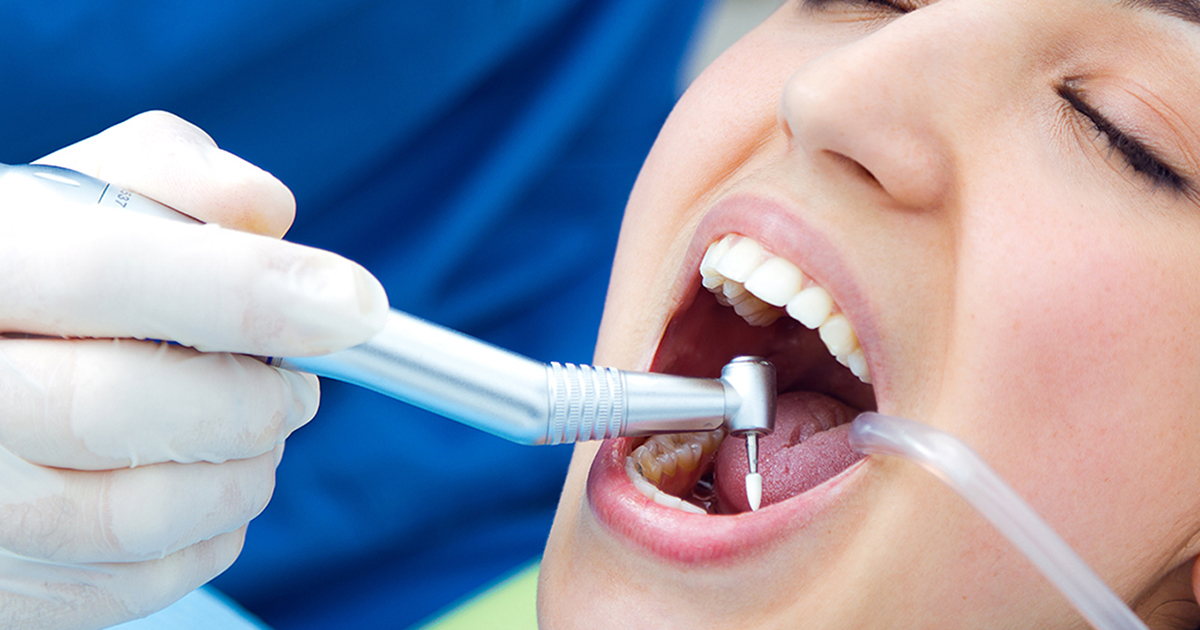
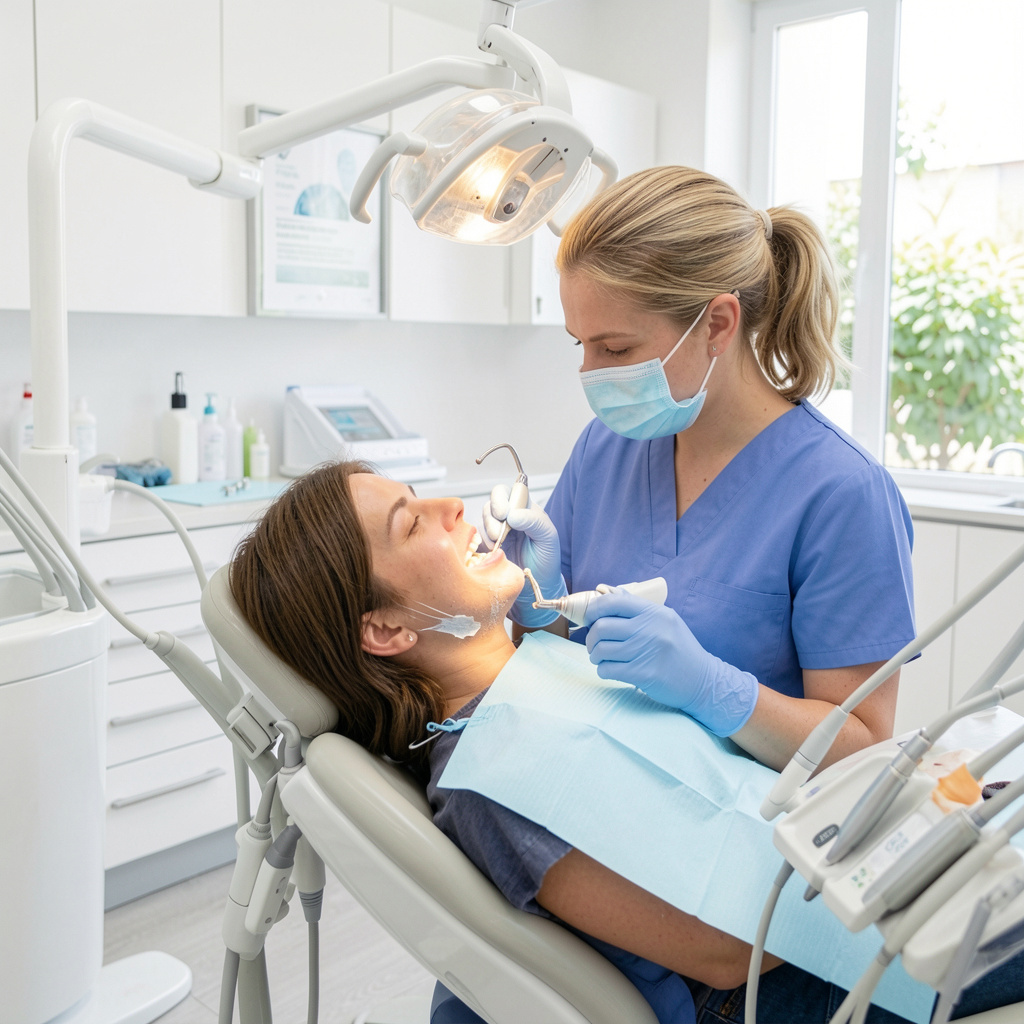
Professional teeth cleaning is usually completed during a dental check-up and clean or a separate hygiene appointment.
You may hear it called a scale and clean, dental clean, hygiene clean, or professional dental cleaning. The aim is to remove plaque and tartar from areas that are difficult to clean properly at home.
Plaque is a soft, sticky film that builds up on the teeth. You can remove much of it through daily brushing and cleaning between your teeth. Tartar is hardened plaque. Once it forms, it usually needs to be removed using professional dental instruments.
A dental check-up can also include an examination of your teeth, gums, mouth, and bite. Healthdirect explains that a dental check-up involves an examination and professional cleaning.
Is Every Six Months the Right Timing?
Six-monthly teeth cleaning is a common recommendation, but it is not a fixed rule for every person.
For some patients, six-monthly appointments may help keep plaque and tartar under control and allow their dentist to identify early signs of decay, gum inflammation, or other oral health concerns.
For others, the dentist may suggest a different schedule.
If your teeth and gums are healthy, your oral hygiene is strong, and you have a low risk of dental problems, your dentist may advise that a longer gap is suitable. If your gums need closer monitoring, you may be advised to attend more often.
This is why your dentist should assess your mouth and recommend a cleaning schedule based on your individual needs.
When Might You Need Teeth Cleaning More Often?
Some people may benefit from more frequent professional dental cleaning.
Your dentist or hygienist may recommend shorter intervals if you have:
- Bleeding gums
- Swollen or tender gums
- A history of gum disease
- Heavy tartar build-up
- Crowded teeth that are harder to clean
- Braces, aligners, bridges, crowns, or implants
- Dry mouth
- Diabetes or other health factors that may affect gum health
- Smoking or vaping habits
- A higher risk of tooth decay
This does not mean something is wrong with you. It simply means your mouth may need closer support.
Gum health can change over time. A cleaning schedule that worked for you five years ago may not be the right fit now.
What Happens During a Scale and Clean?
A scale and clean usually focuses on removing plaque and tartar from the teeth and around the gumline.
Your dental practitioner may use hand instruments or an ultrasonic scaler to clean the tooth surfaces. They may also polish the teeth to remove some surface staining and leave the teeth feeling smoother.
If your gums are inflamed, the appointment may also include gum measurements or a closer look at areas where plaque and tartar are collecting. Your dentist or hygienist may offer advice on brushing technique, flossing, interdental brushes, or other oral hygiene tools.
A good clean is not only about making the teeth feel fresh. It can also help your dental team understand what is happening in your mouth and identify where your home routine may need small adjustments.
You can learn more about what to expect from a check-up and professional teeth clean before arranging your visit.
Why Is Professional Cleaning Important If You Brush Every Day?
Brushing at home matters, but even people who brush twice a day can miss certain areas.
Commonly missed spots include:
- Along the gumline
- Behind the lower front teeth
- Around the back molars
- Between the teeth
- Around fixed dental appliances
If plaque remains in these areas, it can harden into tartar. Once tartar forms, brushing alone will not usually remove it.
That is where professional teeth cleaning can help.
The Australian Dental Association states that brushing, cleaning between the teeth, and seeing a dental professional regularly are essential parts of good oral health.
Think of home care as your daily maintenance. Professional cleaning is a deeper clean and check-in that helps address what daily brushing may miss.
Does Teeth Cleaning Help With Gum Health?
Professional dental cleaning may help support gum health, especially when plaque and tartar are contributing to inflammation.
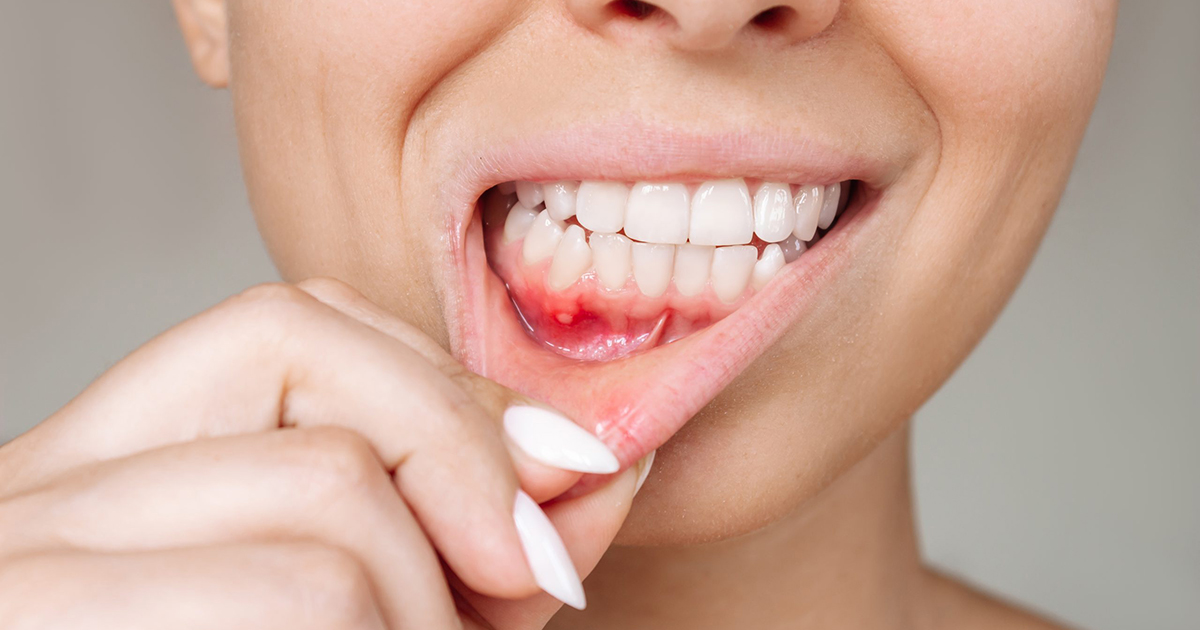
If plaque builds up around the gums, the gums may become red, swollen, tender, or more likely to bleed. This can be an early sign of gingivitis, which is the early stage of gum disease.
A scale and clean can help remove plaque and tartar from areas that are difficult to reach at home. Your dentist or hygienist can also show you how to clean more effectively around the gumline.
However, if gum disease is more advanced, a routine clean may not be enough on its own. Your dentist may recommend a more detailed gum assessment or a different type of periodontal care.
At Oakstone Dental, our dental team can examine your gums and explain what type of care may be suitable for your situation.
Can You Wait Until Something Hurts?
It is better not to wait for pain before booking a dental appointment.
Tooth decay and gum disease can develop quietly during their early stages. You may not notice pain, sensitivity, swelling, or bleeding until the problem has progressed.
Regular check-ups and cleans give your dentist an opportunity to identify concerns earlier. The Better Health Channel notes that early signs of dental disease can be difficult to see without a professional assessment.
This is one of the main reasons routine care matters. It is not only about cleaning the teeth. It is also about checking for changes before they become harder to manage.
How to Keep Your Teeth Cleaner Between Visits
Professional cleaning is helpful, but your daily habits do most of the work.
To support your oral hygiene between visits:
- Brush twice a day with fluoride toothpaste
- Brush for approximately two minutes
- Use a soft toothbrush
- Clean gently along the gumline
- Clean between your teeth daily
- Replace your toothbrush when the bristles become worn
- Drink water throughout the day
- Limit frequent sugary snacks and drinks
- Avoid smoking or vaping where possible
- Book regular dental check-ups based on your dentist’s advice
Healthdirect’s teeth-cleaning guidance recommends brushing the teeth and gums twice a day for two minutes and flossing once a day.
If flossing is difficult, ask your dentist or hygienist about interdental brushes or other options. The most suitable tool is one that you can use properly and consistently.
When Should You Book Your Next Teeth Cleaning?
If it has been more than six to twelve months since your last dental check-up or professional dental cleaning, it may be a good time to book.
You should also consider booking sooner if you notice:
- Bleeding or swollen gums
- Persistent bad breath
- Tooth sensitivity
- Visible tartar build-up
- Pain or discomfort
- Changes in how your teeth or bite feel
At Oakstone Dental in Oakleigh, your dentist can assess your teeth and gums, complete a scale and clean where appropriate, and recommend how often you should return based on your oral health needs.
For some people, that may be every six months. For others, it may be more or less often.
The right schedule is one that helps keep your mouth healthy and gives your dental team an opportunity to monitor changes over time.
You can book your appointment online or contact Oakstone Dental if you have questions before arranging your visit.
Final Thoughts
Professional teeth cleaning is not one-size-fits-all.
Six to twelve months is a helpful general guide, but your ideal timing depends on your gum health, plaque levels, dental history, lifestyle, and risk of future problems.
If you are unsure when your next clean is due, a dental check-up can give you a clearer answer. Your dentist can assess your mouth, explain what they see, and recommend a cleaning schedule that suits your needs.
Ready to arrange your next visit? Book a check-up and clean online.
FAQs
How often should I get my teeth cleaned?
Many people have professional teeth cleaning every six to twelve months. Some people may need it more often depending on their gum health, plaque build-up, medical history, and risk of dental problems.
Is a scale and clean the same as teeth cleaning?
Yes. A scale and clean is a common type of professional teeth cleaning. It usually involves removing plaque and tartar from the teeth, especially around the gumline and other hard-to-clean areas.
Do I still need professional dental cleaning if I brush well?
You may still need professional cleaning even if you brush regularly. Brushing is important, but it may not remove all plaque from hard-to-reach areas. Tartar also cannot usually be removed with a toothbrush once it has hardened.
Can professional teeth cleaning help with bad breath?
It may help when bad breath is linked to plaque, tartar, or gum inflammation. However, bad breath can have other causes, so your dentist can assess what may be contributing to it.
Should I book sooner if my gums bleed?
Yes. Bleeding gums can indicate that your gums need attention. It may be related to plaque build-up, brushing technique, gingivitis, or another issue. A dental check-up can help identify the possible cause.