Introduction
The dental implant procedure is a modern treatment used to replace missing teeth by placing a titanium implant into the jawbone to act as an artificial tooth root. Once the implant integrates with the bone, it supports a dental crown that restores both the appearance and function of the missing tooth. Dental implants are widely considered one of the most reliable and long-lasting tooth replacement solutions available today.
At Oakstone Dental, dental implants are commonly recommended for patients who want a permanent alternative to dentures or bridges. Implant treatment not only restores chewing ability but also helps preserve jawbone health and facial structure.
In this comprehensive guide, we will explain:
• The dental implant surgery steps
• The full tooth implant procedure timeline
• The dental implant healing process
• What to expect during a single tooth implant procedure
• Costs, recovery, and long-term results
By the end of this article, you will understand how dental implants work and what to expect throughout the entire treatment process.
Quick Answer: What Is the Dental Implant Procedure?
The dental implant procedure is a multi-step treatment in which a titanium implant is surgically placed into the jawbone to replace the root of a missing tooth. After healing, a dental crown is attached to the implant to restore the tooth’s appearance and function.
The treatment typically includes:
- consultation and treatment planning
- implant placement surgery
- healing and bone integration
- placement of the final crown
Dental implants are designed to look, feel, and function like natural teeth.
Why Dental Implants Are Used to Replace Missing Teeth
Missing teeth can affect both oral health and quality of life.
Common problems caused by missing teeth
• difficulty chewing food
• speech changes
• shifting of neighbouring teeth
• jawbone loss
• reduced smile confidence
Dental implants provide a stable solution that replaces both the tooth root and the visible tooth.
Patients considering implants can learn more about modern dental implant treatments offered at Oakstone Dental.
What Is a Dental Implant?
A dental implant is a small titanium post placed into the jawbone to support a replacement tooth.
Components of a dental implant
| Implant Component | Function |
| Implant post | Artificial tooth root placed in bone |
| Abutment | Connector between implant and crown |
| Dental crown | Visible replacement tooth |
Together, these components create a stable and natural-looking tooth replacement.
Dental Implant Surgery Steps
Understanding the dental implant surgery steps helps patients feel more confident about treatment.
Step 1 Consultation and Assessment
The dentist examines your teeth and jawbone to determine whether implants are suitable.
This may include:
• dental examination
• X-rays or 3D imaging
• treatment planning discussion
You can start the process by booking a consultation with Oakstone Dental.
Step 2 Treatment Planning
Your dentist creates a customised implant treatment plan based on:
• bone density
• number of missing teeth
• overall oral health
Advanced digital imaging helps ensure accurate implant placement.
Step 3 Implant Placement Surgery
During implant surgery, the dentist places the titanium implant into the jawbone.
This procedure typically involves:
- local anaesthesia
- creating a small opening in the gum
- placing the implant into the bone
- closing the gum around the implant
Most patients report minimal discomfort during the procedure.
Step 4 Healing and Osseointegration
After surgery, the implant integrates with the jawbone in a process called osseointegration.
This process allows the implant to become securely anchored in the bone.
The healing phase usually takes three to six months.
For more information about implants and oral health, you can also read guidance from Healthdirect Australia’s dental implant overview.
Step 5 Abutment Placement
Once healing is complete, the dentist attaches an abutment to the implant.
The abutment acts as a connector between the implant and the crown.
Step 6 Crown Placement
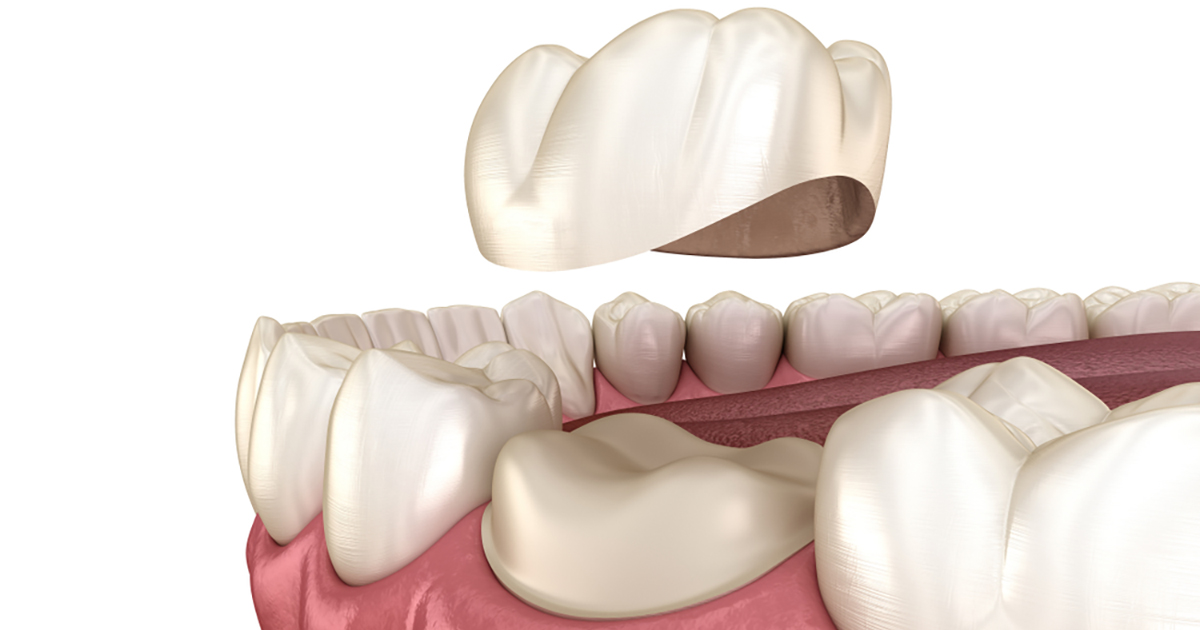
A custom dental crown is attached to the abutment.
The crown is designed to match the colour and shape of surrounding teeth.
This final step restores the appearance and function of the missing tooth.
Tooth Implant Procedure Timeline
The entire implant process takes several months because the bone needs time to heal.
Typical implant timeline
| Treatment Stage | Estimated Time |
| Consultation and planning | 1 appointment |
| Implant surgery | 1 appointment |
| Healing period | 3 to 6 months |
| Crown placement | 1 appointment |
Some patients may qualify for same-day implants, depending on bone health.
Single Tooth Implant Procedure
The single tooth implant procedure is the most common implant treatment.
Advantages of single tooth implants
• preserves neighbouring teeth
• natural-looking result
• long-lasting durability
• strong chewing function
Unlike dental bridges, implants do not require modification of adjacent teeth.
Dental Implant Healing Process
Healing is an important stage of implant treatment.
What happens during healing
- bone cells grow around the implant
- the implant fuses with the jawbone
- the implant becomes stable enough to support a crown
This process ensures long-term implant success.
Recovery After Implant Surgery
Most patients recover quickly after implant surgery.
Common temporary symptoms
• mild swelling
• minor discomfort
• slight bleeding
These symptoms typically resolve within a few days.
Following post-operative instructions helps promote proper healing.
Dental Implant Cost in Australia
The cost of dental implants varies depending on treatment complexity.
Average implant costs
| Treatment | Estimated Cost |
| Single dental implant | $3,000 – $6,500 |
| Implant crown | $1,500 – $3,000 |
Costs depend on factors such as:
• bone grafting requirements
• implant material
• type of restoration used
Patients can receive a personalised quote by scheduling an appointment through Oakstone Dental’s online booking system.
Benefits of Dental Implants
Dental implants offer several advantages compared with other tooth replacement options.
Key benefits
• natural appearance
• strong chewing ability
• long-lasting durability
• preservation of jawbone
• no damage to neighbouring teeth
According to the Australian Dental Association, replacing missing teeth helps maintain oral health and prevent bone loss.
Real Patient Example
At Oakstone Dental, a patient recently visited our clinic after losing a molar due to severe decay.
The missing tooth made chewing difficult and caused neighbouring teeth to shift.
After evaluating the patient’s bone structure, we performed a single tooth implant procedure.
Once the implant healed and the crown was placed, the patient regained normal chewing ability and a natural-looking smile.
Patients can learn more about our experienced clinicians on the Oakstone Dental team and clinic page.
Quick Answers About the Dental Implant Procedure
How long does a dental implant procedure take?
The complete treatment process usually takes three to six months, including healing time.
Is dental implant surgery painful?
Implant surgery is performed under local anaesthesia, so most patients experience minimal discomfort.
How long do dental implants last?
With proper care, dental implants can last 20 years or longer.
Are dental implants safe?
Yes. Dental implants have a high success rate when placed by experienced dental professionals.
Can anyone get dental implants?
Most healthy adults with sufficient jawbone density are good candidates for implants.
Conclusion
The dental implant procedure is one of the most reliable and long-lasting solutions for replacing missing teeth. By restoring both the tooth root and the visible tooth, implants provide stability, natural appearance, and improved oral health.
At Oakstone Dental, our team focuses on personalised implant treatment designed to restore healthy smiles and long-term function.If you are considering dental implants, you can book a consultation online or contact our clinic to discuss your treatment options.