Foods such as crisp apples and vegetables, fresh mint, and unsweetened green tea may temporarily improve some types of bad breath, while water and sugar-free gum can help when a dry mouth is contributing. However, persistent bad breath usually needs more than a dietary fix, particularly when plaque, gum disease, decay or another health issue is involved.
Bad breath happens to almost everyone from time to time. Garlic at lunch, morning breath or a dry mouth after several coffees can leave your breath feeling less fresh than usual.
The original version of this article focused on five foods that may help. Diet can play a useful role, but it is important to be realistic about what food can and cannot do.
Certain foods and habits may temporarily reduce odour, stimulate saliva or help clear food debris. They cannot cure gum disease, tooth decay, a dental infection or an underlying medical condition.
What Foods Can Help With Bad Breath?
There is no single food that cures halitosis. If your bad breath is temporary, however, some choices may help make your mouth feel fresher or reduce the conditions that allow odour to become more noticeable.
| Food or habit | Possible benefit | Important limitation |
| Water | Helps keep the mouth moist and wash away loose food particles | Does not treat plaque, gum disease, decay or infection |
| Crisp apples and raw vegetables | Chewing can stimulate saliva and help clear some food debris | They are not a substitute for brushing or cleaning between teeth |
| Fresh mint or raw lettuce | May temporarily reduce some of the compounds responsible for garlic breath | Evidence relates mainly to food-related odour, particularly garlic |
| Unsweetened green tea | Some research suggests a short-term reduction in certain odour-producing compounds | The effect appears temporary and does not address underlying dental disease |
| Plain yoghurt containing live cultures | Probiotics have been studied for halitosis, with mixed results | Yoghurt should not be considered a treatment for persistent bad breath |
| Sugar-free chewing gum | Stimulates saliva, which can be useful when your mouth is dry | Mainly provides temporary support and cannot treat the underlying cause |
1. Drink Water Regularly
Water is one of the simplest choices when your mouth feels dry or your breath becomes stale between meals.
Saliva plays an important role in cleansing the mouth. When saliva flow is reduced, bacteria and food debris are not cleared as effectively, which can contribute to unpleasant breath.
Regularly drinking water to help manage a dry mouth can therefore be useful, especially if dehydration is contributing to the problem.
There is no need to rely on a rigid “eight glasses a day” rule. Your fluid requirements depend on factors such as your health, activity level and environment. The practical aim is to stay adequately hydrated throughout the day.
If your mouth remains persistently dry despite drinking enough water, mention it to your dentist or doctor. Dry mouth can have several causes, including medicines and health conditions.
2. Try Crisp Apples, Carrots and Celery
The original article recommended raw fruits and vegetables such as apples, carrots and celery, and there is a sensible reason to keep them on the list.
Chewing crisp foods stimulates saliva and can help move loose food particles around the mouth.
Apples have also been investigated specifically for food-related breath odours. Research has found that raw apple can reduce some of the volatile compounds associated with garlic breath shortly after eating it.
That does not mean an apple “cleans” your teeth or treats halitosis.
Food can become trapped between teeth regardless of how crunchy your lunch is, so brushing and interdental cleaning remain much more important for ongoing oral health.
3. Fresh Mint or Lettuce May Help After Garlic
Fresh herbs have long been associated with fresher breath, but the effect is more specific than simply “mint makes breath smell good”.
Studies examining garlic breath found that raw mint leaves, as well as raw apple and lettuce, reduced several of the volatile compounds responsible for the smell.
This makes them reasonable options after a strongly flavoured meal.
The key distinction is that this is temporary food-related odour.
If your breath smells unpleasant every day regardless of what you eat, chewing mint leaves is unlikely to address the real cause.
4. Unsweetened Green Tea May Have a Short-Term Effect
Green tea was included in the original article and can remain part of the discussion, but its benefits should not be overstated.
Research examining green tea and volatile sulphur compounds in the breath found an immediate reduction after green tea was consumed, but the effect was not maintained over the following hours.
So, an unsweetened green tea may leave your breath feeling fresher for a while, but it should be viewed as a temporary measure rather than a treatment.
Adding sugar would also introduce another consideration for your teeth, so unsweetened tea is the more sensible option from an oral-health perspective.
5. What About Probiotic Yoghurt?
Probiotic yoghurt was the first recommendation in the original version of this article.
Since then, research into probiotics and bad breath has continued, but the evidence is not strong enough to say that eating yoghurt will reliably treat halitosis.
Some studies of probiotics have reported short-term improvements, while other reviews have found that the evidence is too inconsistent to make a firm clinical recommendation.
If you enjoy plain yoghurt containing live cultures, it can certainly be part of a balanced diet. Just do not rely on it to fix persistent bad breath.
If an underlying oral problem is responsible, that problem still needs to be identified.
Sugar-Free Gum Can Help When Your Mouth Is Dry
Sugar-free chewing gum is technically not a food, but it deserves a place in this guide because it can be more useful for dry-mouth-related breath than many “breath freshening” foods.
Chewing stimulates saliva production. This can help keep the mouth moist and improve its natural cleansing action.
Sugar-free gum can be useful for increasing saliva flow, particularly when a dry mouth is contributing to unpleasant breath.
Choose sugar-free gum rather than ordinary sugared gum.
And remember that gum is still a temporary measure. If your mouth is constantly dry or you have persistent bad breath, it is worth finding out why.
Temporary Bad Breath vs Persistent Halitosis
An important part of managing bad breath is recognising whether you are dealing with a temporary smell or something that keeps returning.
Temporary Bad Breath
Temporary breath odour may happen:
- first thing in the morning
- after eating garlic, onion or strongly flavoured foods
- after drinking alcohol
- when you have not had enough water
- after drinking a lot of coffee
- during periods when your mouth feels dry
In these situations, drinking water, cleaning your teeth, eating and restoring normal saliva flow may be enough for your breath to improve.
Persistent Bad Breath
Persistent bad breath, or halitosis, is different.
If the odour keeps returning despite regular brushing, cleaning between your teeth, hydration and normal eating, there may be an underlying cause that needs attention.
In many cases, bad breath begins within the mouth rather than being caused by something you ate.
That is why simply masking the smell with mints, gum or strongly flavoured foods may not solve the problem.
What Causes Persistent Bad Breath?
Several oral conditions can contribute to ongoing bad breath.
Plaque and Food Between the Teeth
Plaque is a sticky film of bacteria that continually forms on teeth.
When plaque, bacteria and food debris remain around the teeth and gums, they can contribute to unpleasant odours.
Brushing thoroughly is important, but a toothbrush cannot effectively clean every surface between your teeth. Interdental brushes or floss may also be needed depending on your mouth.
A regular dental check-up and professional clean can help identify areas where plaque or hardened tartar is accumulating and assess whether something else is contributing to the problem.
Bacteria on the Tongue
The textured surface of your tongue can collect bacteria, food debris and other material.
Gently cleaning the tongue may help some people keep their mouth feeling fresher. However, tongue cleaning should not be treated as a cure for halitosis because bad breath can have several other causes.
If you clean your tongue, be gentle. Aggressive scraping can irritate the delicate surface.
Gum Disease
Persistent bad breath can be associated with gum disease.
Gingivitis develops when plaque accumulates around the gumline and causes inflammation. If gum disease progresses to periodontitis, deeper spaces can develop around the teeth where harmful bacteria accumulate.
Other signs may include:
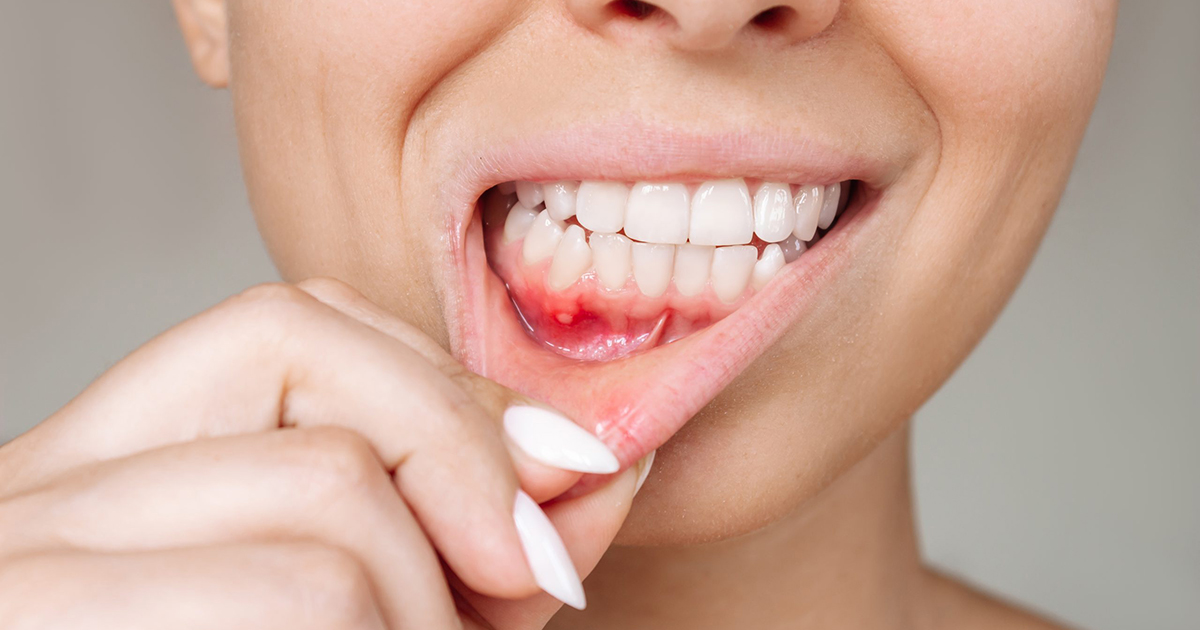
- gums that bleed during brushing or cleaning
- red or swollen gums
- receding gums
- an unpleasant taste
- loose or moving teeth
Gum disease requires appropriate dental assessment and treatment. Apples, yoghurt, tea, gum or mouthwash cannot treat periodontitis.
Oakstone Dental includes gum assessment and treatment within our broader general dentistry care.
Tooth Decay or Dental Infection
Decay can create areas where bacteria and food collect. An infected tooth or abscess may also cause an unpleasant taste or smell.
Bad breath accompanied by toothache, swelling, pain when biting or discharge from around a tooth needs dental attention rather than dietary treatment.
Dry Mouth
Saliva helps keep your mouth moist and naturally clears debris.
When you produce less saliva, bacteria and food particles can remain in the mouth for longer.
Dry mouth can be associated with:
- dehydration
- some medications
- smoking
- alcohol
- mouth breathing
- some health conditions
If dry mouth is persistent, tell your dentist and doctor rather than simply compensating by continuously chewing gum or drinking flavoured beverages.
Smoking and Vaping
Smoking can cause its own characteristic breath odour and can also contribute to dry mouth.
It also increases the risk of gum disease, which itself may cause persistent bad breath. Smoking can affect saliva, gum health and breath, so masking the smell with mints does not address the underlying effects.
Habits That Matter More Than Any Single Food
If fresh breath is your goal, what you do every day matters more than adding one particular food to your diet.
Useful habits include:
- brushing your teeth twice a day with fluoride toothpaste
- cleaning between your teeth regularly
- drinking water throughout the day
- gently cleaning your tongue if appropriate
- cleaning dentures, retainers or other removable appliances properly
- avoiding smoking
- addressing persistent dry mouth
- attending dental examinations at intervals recommended for your individual needs
Think of breath-friendly foods as an extra — not the foundation of your oral hygiene routine.
A piece of apple after lunch may help temporarily, but it cannot remove hardened tartar, diagnose decay or treat inflamed gums.
What About Mints and Mouthwash?
Mints can make your mouth taste fresher and temporarily mask an unpleasant smell.
If you use them frequently, choose sugar-free options to avoid repeatedly exposing your teeth to sugar.
Mouthwash can also be useful in certain circumstances, but it should not replace brushing or interdental cleaning. Different mouthwashes contain different active ingredients, and the right product depends on what you are trying to manage.
If you find yourself relying on mouthwash several times a day because your breath quickly becomes unpleasant again, it is worth investigating the cause rather than continually covering the smell.
When Should You See a Dentist About Bad Breath?
Consider seeing a dentist when bad breath does not go away despite consistent oral hygiene and hydration.
It is particularly worth arranging an assessment if bad breath occurs alongside:
- bleeding, red or swollen gums
- a persistent unpleasant taste
- toothache
- pain when biting
- loose teeth
- obvious tooth decay
- persistent dry mouth
- swelling around a tooth or gum
- a recurring problem that you cannot explain by food or drink
Persistent bad breath is not something you need to feel embarrassed about. Dentists deal with the oral conditions that can cause it regularly.
At Oakstone Dental, our approach is to look for the reason behind the problem, explain what we can see and discuss your options clearly rather than simply recommending a product to cover the smell.
What Will a Dentist Check for if You Have Bad Breath?
The exact assessment depends on your symptoms and oral health.
Your dentist may examine:
- your teeth for decay, cracks or failing restorations
- your gums for inflammation or signs of gum disease
- plaque and tartar build-up
- the surface of your tongue
- areas where food may be becoming trapped
- existing dental work
- dentures or removable appliances, if applicable
- signs of reduced saliva or dry mouth
A standard check-up and clean at Oakstone Dental includes an examination of the teeth and gums, with dental X-rays used when clinically appropriate. Plaque and tartar can also be professionally removed when required.
Your dentist may ask about medicines, smoking, diet, mouth breathing or other symptoms because these details can help identify possible causes.
If your mouth appears healthy and there is reason to suspect that the odour is coming from somewhere outside the mouth, your dentist may recommend speaking with your GP or another appropriate health professional.
Can Food Cure Bad Breath?
Food can sometimes improve breath odour, but that is different from treating the cause of persistent halitosis.
Water may help a dry mouth. An apple may help after a meal. Fresh mint may reduce garlic odour. Sugar-free gum may encourage saliva.
But none of these can remove tartar below the gumline, repair tooth decay, treat an infected tooth or resolve a medical condition.
That distinction is important.
If your breath improves after eating, drinking water or cleaning your teeth and stays fresh, the problem may simply have been temporary.
If it keeps returning, the next useful step is usually to work out why.
Frequently Asked Questions About Foods and Bad Breath
What food gets rid of bad breath quickly?
There is no food that reliably eliminates bad breath in every situation. Water, raw apple, fresh mint, crisp vegetables or sugar-free gum may temporarily help by stimulating saliva, clearing some food debris or reducing food-related odours. If the smell keeps returning, the underlying cause matters more than the food you choose.
What should I eat if I have bad breath?
Choose foods that support saliva flow and are unlikely to leave strong lingering odours. Crisp fruits and vegetables, plain yoghurt and unsweetened drinks can be reasonable options. More importantly, drink enough water and maintain regular brushing and interdental cleaning.
Can apples really help bad breath?
Raw apples may help with certain temporary food-related odours, particularly garlic breath. Chewing an apple also stimulates saliva. However, apples do not treat plaque, tooth decay, gum disease or other causes of persistent halitosis.
Does yoghurt help with bad breath?
Probiotic yoghurt has been studied for bad breath, but the evidence is mixed. It may be a reasonable part of a balanced diet, but it should not be relied on as a treatment for persistent bad breath.
Does drinking water help bad breath?
It can, especially when dry mouth or dehydration is contributing. Water helps keep the mouth moist and can wash away loose food particles. If you have persistent dry mouth despite staying hydrated, speak with your dentist or doctor.
Is chewing gum good for bad breath?
Sugar-free gum can temporarily help because chewing stimulates saliva. This may be particularly useful when your mouth feels dry. Gum does not treat gum disease, decay or dental infection, so recurring bad breath still needs assessment.
Why does my breath still smell after brushing my teeth?
Brushing alone may not address every cause of bad breath. Odour can come from plaque between the teeth, bacteria on the tongue, gum disease, tooth decay, dental infection, dry mouth or other health issues. If the problem continues despite good oral hygiene, a dental examination can help identify the cause.
Can bad breath be a sign of gum disease?
Yes. Persistent bad breath can occur with gum disease, particularly when accompanied by bleeding, swollen or receding gums. Gum disease needs professional assessment and cannot be cured by foods, mints or mouthwash.
How do I know if my bad breath is temporary or persistent?
Temporary bad breath usually has an obvious trigger, such as garlic, coffee, alcohol, morning dryness or dehydration, and improves after eating, drinking water or cleaning your mouth. Persistent halitosis repeatedly returns despite those measures and may indicate an oral or medical cause.
When should I see a dentist for bad breath?
Arrange a dental assessment if bad breath keeps returning despite regular brushing, interdental cleaning and hydration, or if you also have bleeding gums, tooth pain, swelling, loose teeth, persistent dry mouth or an unpleasant taste.
Fresh Breath Starts With a Healthy Mouth
There is nothing wrong with reaching for water, a crisp apple, fresh mint, unsweetened green tea or sugar-free gum when you want your mouth to feel fresher.
Just view these options for what they are: short-term helpers rather than cures.
Persistent bad breath can sometimes be one of the signs that your teeth, gums or saliva need closer attention. Finding and treating the underlying cause is much more useful than repeatedly trying to mask the odour.
If your bad breath is not settling despite good home care, you can contact Oakstone Dental to arrange an assessment and discuss what may be contributing to it.