A dental check-up is not just about checking whether you have a sore tooth.
For many people, it is a routine appointment that helps keep track of their teeth, gums, mouth, and overall oral health. It gives your dentist a chance to look for early signs of tooth decay, gum problems, wear, cracks, oral changes, or other concerns before they become harder to manage.
At Oakstone Dental in Oakleigh, a check-up and clean usually includes two main parts: a dental examination and professional teeth cleaning. The examination helps your dentist assess your oral health. The clean helps remove plaque and tartar that can build up around the teeth and gumline.
If it has been a while since your last visit, it is normal to feel unsure about what will happen. Here is what you can usually expect during a routine dental care appointment.
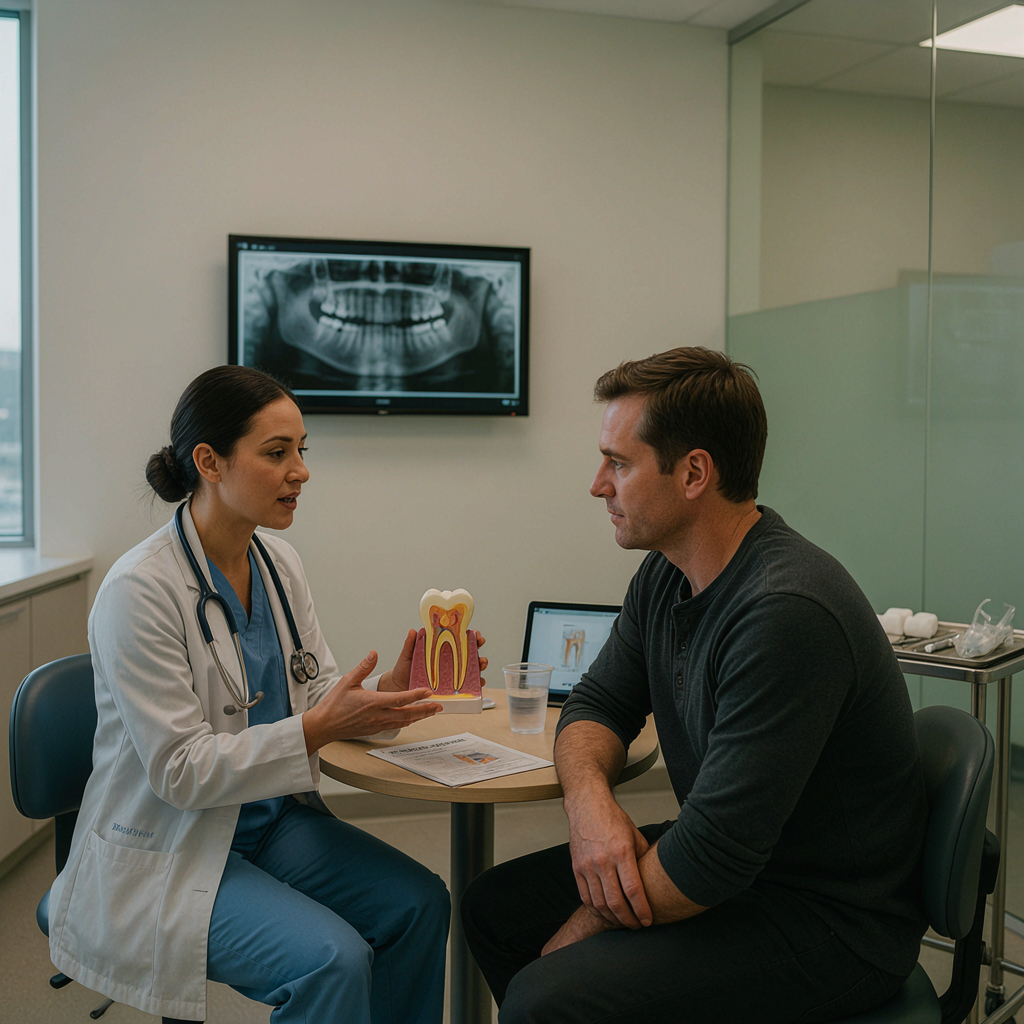
First, Your Dentist Will Ask About Your Health
Before looking inside your mouth, your dentist may ask about your general health, medical history, medications, allergies, and any concerns you have noticed.
This matters because your general health can affect your mouth, and your mouth can also show signs of broader health changes. Some medications may contribute to dry mouth, gum changes, or bleeding. Health conditions can also affect how dental care is planned.
You may be asked questions such as:
- Have you had any tooth pain or sensitivity?
- Do your gums bleed when brushing or flossing?
- Are you taking any new medications?
- Do you grind or clench your teeth?
- Have you noticed ulcers, swelling, or changes in your mouth?
- Are you nervous about dental treatment?
This part of the visit helps your dentist understand what to look for and how to make the appointment more comfortable for you.
What Happens During the Dental Examination?
The dental examination is the part where your dentist checks your teeth, gums, and mouth.
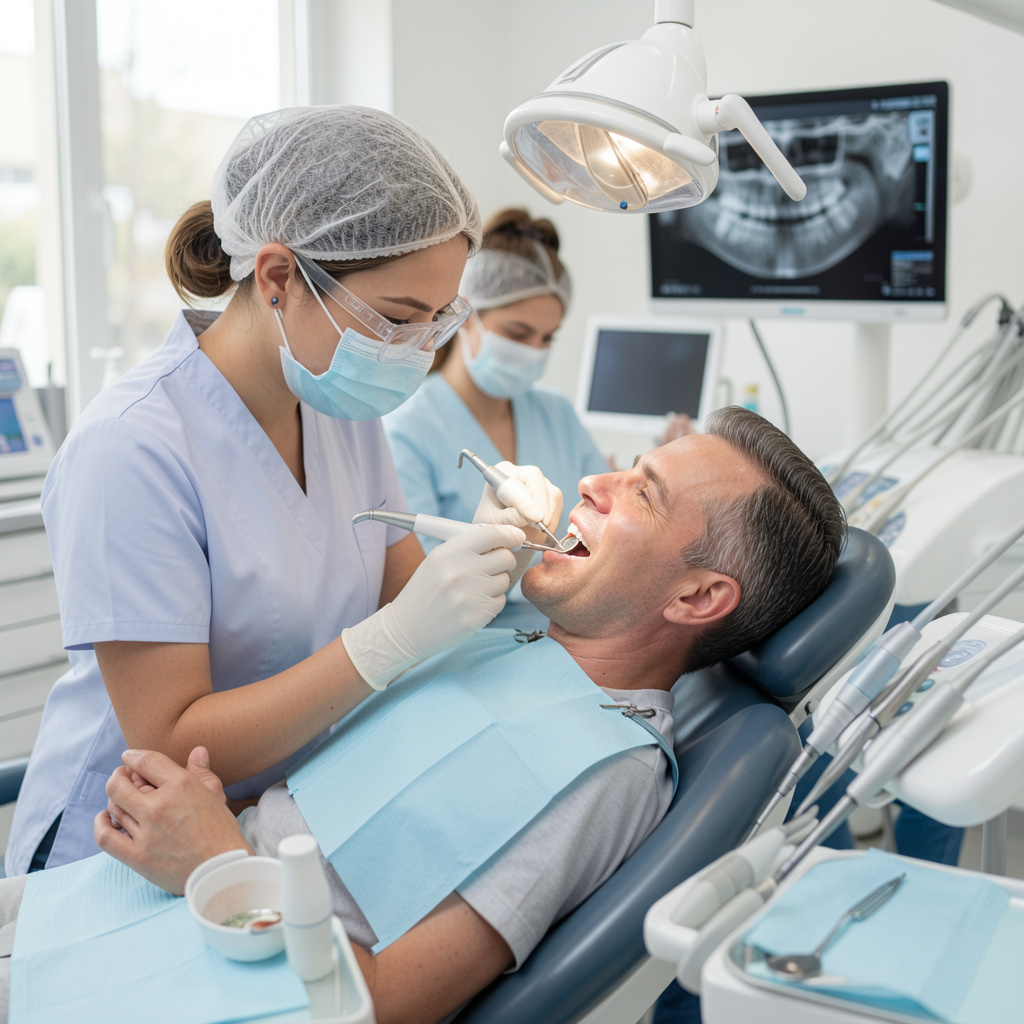
They may use a small mirror, light, and dental instruments to carefully assess different areas. During a dental check-up, a dentist may check each tooth with small instruments and look for issues such as tooth decay, gum disease, and other conditions. The soft tissues of the mouth may also be checked for possible concerns.
During the examination, your dentist may check:
- Each tooth for signs of decay, cracks, wear, or damage
- Existing fillings, crowns, bridges, or other dental work
- Gum health and signs of inflammation
- Areas where plaque or tartar may be building up
- Your bite and signs of grinding or clenching
- The tongue, cheeks, lips, palate, and other soft tissues
- Any areas of pain, swelling, or sensitivity
The goal is not to find problems for the sake of it. The goal is to understand what is happening in your mouth and discuss what, if anything, needs attention.
You can also read Healthdirect’s overview of what is involved in a dental check-up.
Will I Need Dental X-Rays?
Not every dental check-up includes X-rays.
Your dentist may recommend X-rays if they need more information than they can see by looking in your mouth. X-rays may help show areas between the teeth, under existing fillings, around tooth roots, or near the jawbone.
They may be recommended if you have tooth pain, a history of decay, gum concerns, wisdom tooth issues, dental trauma, or if it has been some time since your last imaging.
Your dentist should explain why X-rays are being recommended and what they are checking for before they are taken.
What Happens During Professional Teeth Cleaning?
Professional teeth cleaning is often done after the dental examination.
Even if you brush and floss well at home, plaque can still build up in hard-to-reach areas. Over time, plaque can harden into tartar, also called calculus. Once tartar forms, it usually cannot be removed with a toothbrush at home.
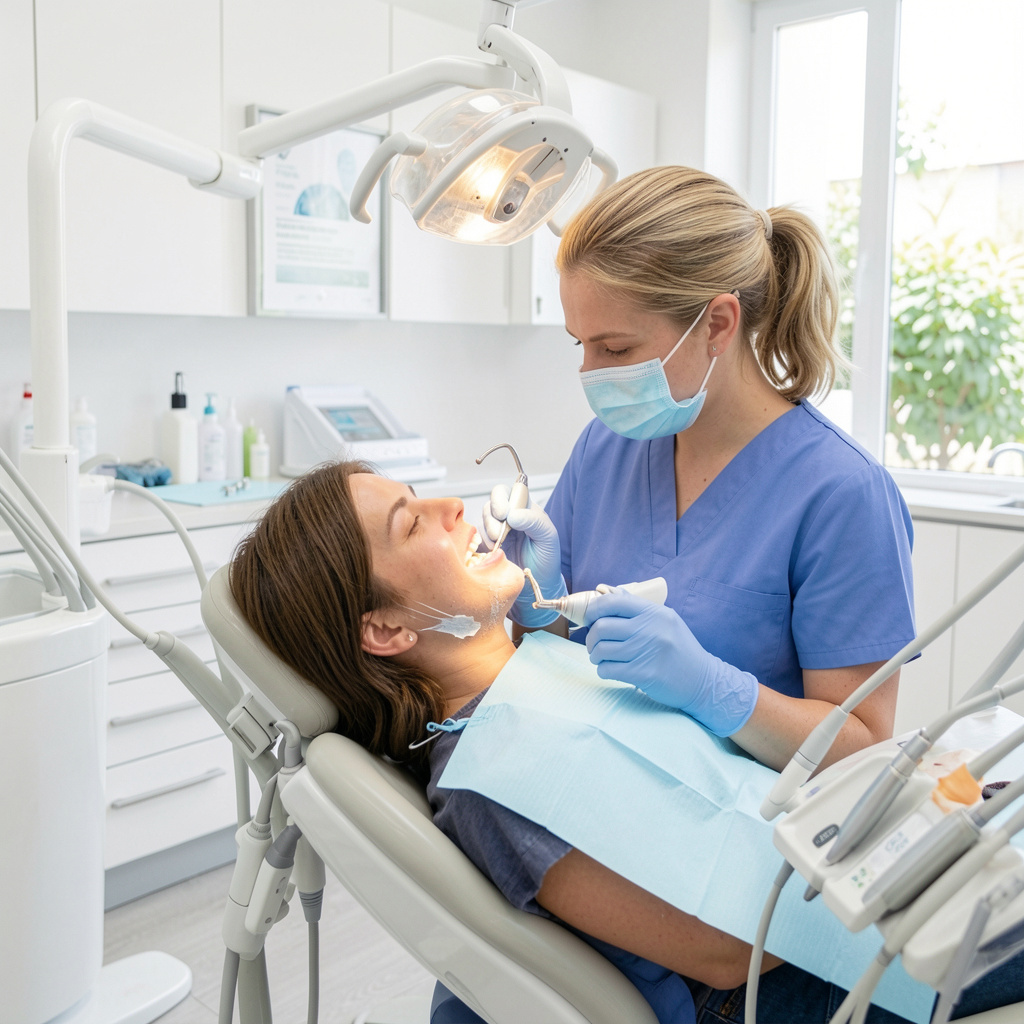
During the clean, your dentist or hygienist may use special instruments to remove plaque and tartar from around the teeth and gumline. This is sometimes called scaling.
After scaling, your teeth may be polished. Polishing can help remove some surface stains and leave the teeth feeling smoother.
A dental check-up and clean is also a good opportunity to ask questions about your brushing routine, flossing, gum health, or any changes you have noticed since your last visit.
For general guidance on maintaining healthy teeth and gums, visit Healthdirect’s information about dental care and teeth cleaning.
Does a Dental Clean Hurt?
For many people, a routine clean is comfortable.
You may feel scraping, vibration, water spray, or pressure during the cleaning, but it should not feel unbearable. If your gums are inflamed, sensitive, or there is a lot of tartar build-up, some areas may feel tender.
Tell your dentist or hygienist if you feel discomfort. They can pause, adjust what they are doing, or discuss ways to make the appointment easier for you.
If you feel nervous, say so at the start. Dental teams are used to helping patients who feel anxious about treatment, and your appointment can often be paced in a way that feels more manageable.
You can learn more about the clinicians and approach to patient care on our About Us page.
Why Are Gums Checked During a Check-Up?
Your gums support your teeth, so they are an important part of routine dental care.
Your dentist may check whether your gums are healthy, inflamed, bleeding, swollen, or pulling away from the teeth. They may also measure the space between the teeth and gums if they are assessing for gum disease.
Gum problems can be easy to miss because they do not always hurt in the early stages. Bleeding when brushing, bad breath, swollen gums, and tenderness can be signs that the gums need attention.
A professional clean can help remove plaque and tartar around the gumline. Your dentist may also give you advice on brushing technique, flossing, or interdental brushes if needed.
Your Dentist May Talk About Your Home Care
A dental check-up is also a good time to ask about your daily routine.
Your dentist or hygienist may ask how often you brush, whether you clean between your teeth, what toothbrush you use, and whether you have any trouble reaching certain areas.
This is not about judgement. It is about finding what works for your mouth.
You may be shown how to brush along the gumline, how to floss correctly, or whether interdental brushes may be suitable. Cleaning between the teeth is important because a toothbrush does not always reach the spaces where plaque can collect.
Small changes at home can help reduce plaque build-up between appointments.
The Australian Dental Association’s oral hygiene guidance also highlights brushing, cleaning between the teeth, and regular professional dental care as important parts of maintaining good oral health.
How Often Should You Have a Dental Check-Up and Clean?
The right timing depends on your oral health.
Some people are advised to come every six months. Others may need visits more or less often depending on their risk of tooth decay, gum disease, medical conditions, dry mouth, past dental treatment, or how quickly plaque and tartar build up.
Your dentist can recommend a recall schedule that suits your needs. For some people, this may be every six months. For others, a different interval may be more appropriate.
The Better Health Channel also recommends regular appointments with a dental practitioner, with the timing based on your individual oral health needs.
If you are unsure when your next appointment should be, the Oakstone Dental team can let you know what timing may be suitable based on your teeth, gums, and oral health history.
What Happens After the Check-Up and Clean?
After your dental examination and professional teeth cleaning, your dentist will usually explain what they found.
This may include:
- Whether your teeth and gums look healthy
- Whether any areas need monitoring
- Whether treatment is recommended
- How your brushing and cleaning routine is going
- When to book your next visit
If treatment is recommended, your dentist should explain the issue, your options, any risks or benefits, and the expected costs before you decide what to do.
You do not need to remember every detail. It is fine to ask questions, take notes, or ask for information to be explained again.
What to Do If It Has Been a While
If you have not had a dental check-up for a long time, you are not alone.
Many people delay dental visits because they feel nervous, busy, embarrassed, or worried about cost. But avoiding the dentist often makes uncertainty worse.
A routine dental care appointment gives you a clearer picture of your oral health. Your dentist can assess your teeth and gums, clean areas that are difficult to reach at home, and discuss any next steps in a practical way.
You do not need to wait until something hurts. Regular dental visits can help identify concerns earlier, and an oral health professional can provide preventive care and advice to support a healthy mouth.
The Australian Government provides further information about the importance of dental health and oral wellbeing.
If you are due for a check-up and clean in Oakleigh, Oakstone Dental can assess your teeth and gums and discuss what care may be suitable for you. You can book an appointment online or contact Oakstone Dental if you have questions before your visit.
FAQs
What is included in a dental check-up?
A dental check-up usually includes a dental examination, gum assessment, soft tissue check, discussion about your oral health, and professional teeth cleaning. X-rays may be recommended if your dentist needs more information.
How long does a dental check-up and clean take?
A routine dental check-up and clean often takes around 30 to 60 minutes, depending on your oral health, whether X-rays are needed, and how much cleaning is required.
Is professional teeth cleaning necessary?
Professional teeth cleaning can remove plaque and tartar from areas that are difficult to clean at home. Your dentist can advise how often you may need it based on your teeth, gums, and oral hygiene.
Will my dentist tell me if I have gum disease?
Yes. During a dental examination, your dentist can assess your gums and explain if there are signs of inflammation, bleeding, gum disease, or other concerns.
How often should I book a dental check-up?
The timing varies from person to person. Many people are advised to attend every 6 or 12 months, but your dentist can recommend a schedule based on your individual oral health needs.
Ready to arrange your next visit? Book your dental check-up and clean online.