Introduction
Screwless dental implants refer to dental implant restorations where the artificial tooth or crown is attached without a visible screw access hole. Instead of using screws to secure the implant crown, dentists use cement retained dental implants or friction-fit attachment systems to hold the restoration in place. These systems can offer improved aesthetics because there is no visible screw opening on the crown surface.
At Oakstone Dental, implant restorations are carefully planned to ensure both functional strength and natural appearance. Depending on the clinical situation, dentists may choose between screw retained dental implants, cement retained implant crowns, or newer screwless retention systems.
In this comprehensive guide, we will explain:
• What screwless dental implants are
• How implant crowns are attached to implants
• The differences between cement retained and screw retained dental implants
• Advantages and disadvantages of each method
• When dentists recommend screwless implant restorations
By the end of this guide, you will understand how implant crown retention works and which option may be best for your dental implant treatment.
Quick Answer: What Are Screwless Dental Implants?
Screwless dental implants are implant restorations where the dental crown is attached without a visible screw hole. Instead of screws, the crown may be secured using dental cement or a friction-based connection.
These systems are commonly used to improve the appearance of implant crowns, particularly for front teeth.
Understanding Dental Implant Components
Before exploring screwless implant systems, it helps to understand the basic structure of dental implants.
Main parts of a dental implant
| Component | Function |
| Implant fixture | Titanium post placed into the jawbone |
| Abutment | Connector between implant and crown |
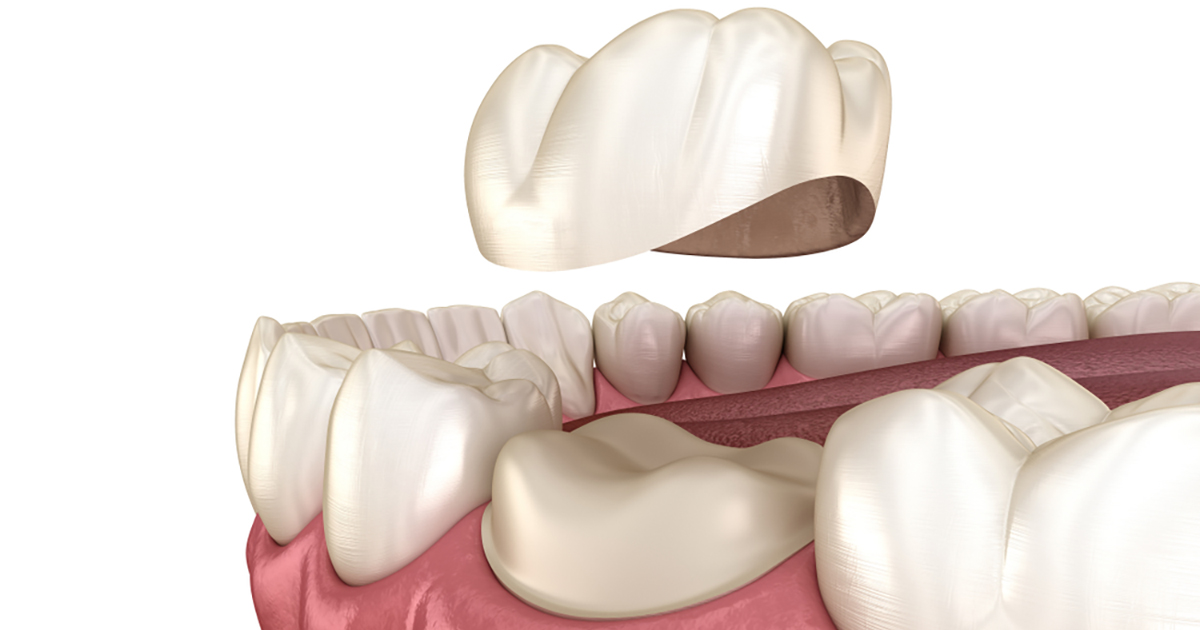
| Implant crown | Artificial tooth placed on top |
The crown must be securely attached to the implant using one of several retention methods.
Patients can learn more about implant treatments through our dental implant treatment page.
Implant Crown Attachment Types
There are several implant crown attachment types used in modern implant dentistry.
Common dental implant crown retention methods
- Screw retained dental implants
- Cement retained dental implants
- Screwless friction-fit systems
Each method has advantages depending on the treatment situation.
Screw Retained Dental Implants
Screw retained dental implants use a small screw that secures the crown directly to the implant or abutment.
Advantages of screw retained implants
• easy to remove for maintenance
• no dental cement required
• lower risk of cement-related complications
Limitations
• visible screw hole in the crown
• slightly less aesthetic in front teeth
Dentists often place composite filling material over the screw hole to improve appearance.
Cement Retained Dental Implants
Cement retained dental implants attach the crown using dental cement.
This method is sometimes described as screwless dental implants because the screw is not visible.
Advantages
• improved aesthetics
• no visible screw hole
• natural tooth appearance
Potential disadvantages
• excess cement may irritate surrounding tissues
• crowns are harder to remove if repairs are needed
Because of these risks, cement placement must be carefully controlled.
True Screwless Implant Systems
Some modern implant systems use friction-fit or locking mechanisms instead of screws or cement.
These designs allow the crown to snap into place securely.
Benefits of screwless implant crowns
• no visible screw access
• no cement required
• improved aesthetics
However, these systems are still less common than traditional screw retained implants.
Cement Retained vs Screw Retained Dental Implants
Dentists often choose between cement and screw retained restorations depending on the clinical situation.
Comparison of implant crown attachment methods
| Feature | Screw Retained | Cement Retained |
| Aesthetics | Visible screw hole | No visible screw |
| Maintenance | Easier removal | More difficult to remove |
| Risk of complications | Lower | Possible cement residue |
| Strength | High | High |
Both methods can provide long-lasting implant restorations when placed correctly.
Why Crown Retention Method Matters
The way an implant crown is attached can affect long-term maintenance and appearance.
Important considerations
• crown aesthetics
• implant position
• risk of gum irritation
• long-term repair needs
Dentists carefully evaluate these factors when selecting the retention method.
Patients interested in learning more about our implant treatment philosophy can explore the Oakstone Dental clinic overview page.
When Dentists Recommend Screwless Implant Crowns
Screwless implant crowns are often recommended in certain cases.
Situations where screwless systems may be used
• front tooth implants where aesthetics are critical
• implants placed at angles that affect screw access
• cases requiring seamless tooth appearance
The dentist will determine the best attachment method during treatment planning.
Dental Implant Treatment Process
Understanding the implant process helps explain how crowns are attached.
Step 1 Consultation and Treatment Planning
The dentist evaluates oral health and bone density using scans and X-rays.
Patients can begin their implant consultation by visiting Oakstone Dental.
Step 2 Implant Placement Surgery
A titanium implant is placed into the jawbone during a minor surgical procedure.
This implant acts as the artificial root for the replacement tooth.
Step 3 Healing and Osseointegration
The implant integrates with the jawbone during healing.
According to Healthdirect Australia’s dental implant information, this process usually takes three to six months.
Step 4 Implant Crown Placement
Once healing is complete, the dentist attaches the final crown using the chosen retention method.
Patients can schedule treatment through the Oakstone Dental appointment booking system.
Advantages of Modern Implant Crown Technology
Advances in implant dentistry have improved the strength and appearance of implant crowns.
Modern implant crown benefits
• natural tooth appearance
• durable ceramic materials
• precise digital design
• long-term stability
These advances help create restorations that closely mimic natural teeth.
Real Patient Example
At Oakstone Dental, a patient recently received a single tooth implant to replace a missing front tooth.
Because the implant was positioned in the aesthetic zone, we recommended a cement retained implant crown to avoid a visible screw access hole.
The final restoration blended seamlessly with the surrounding teeth, giving the patient a natural-looking smile.
Quick Answers About Screwless Dental Implants
What are screwless dental implants?
They are implant restorations where the crown is attached without a visible screw, usually using cement or friction-fit systems.
Are screw retained implants better?
Screw retained implants are often easier to maintain and repair.
Do cement retained implants last long?
Yes, when properly placed they can last many years.
Are screwless implants stronger?
Both screw and cement retained implants can provide strong, durable restorations.
Which implant crown attachment is best?
The best option depends on implant position, aesthetics, and maintenance needs.
Conclusion
Screwless dental implants represent one of several ways implant crowns can be attached to dental implants. While screw retained implants remain the most common option, cement retained and friction-fit systems can offer improved aesthetics in certain cases.
At Oakstone Dental, implant restorations are carefully designed to provide the best balance between function, aesthetics, and long-term maintenance.
If you are considering dental implants or want to explore the best crown attachment options for your situation, our team can guide you through the process and develop a personalised treatment plan.