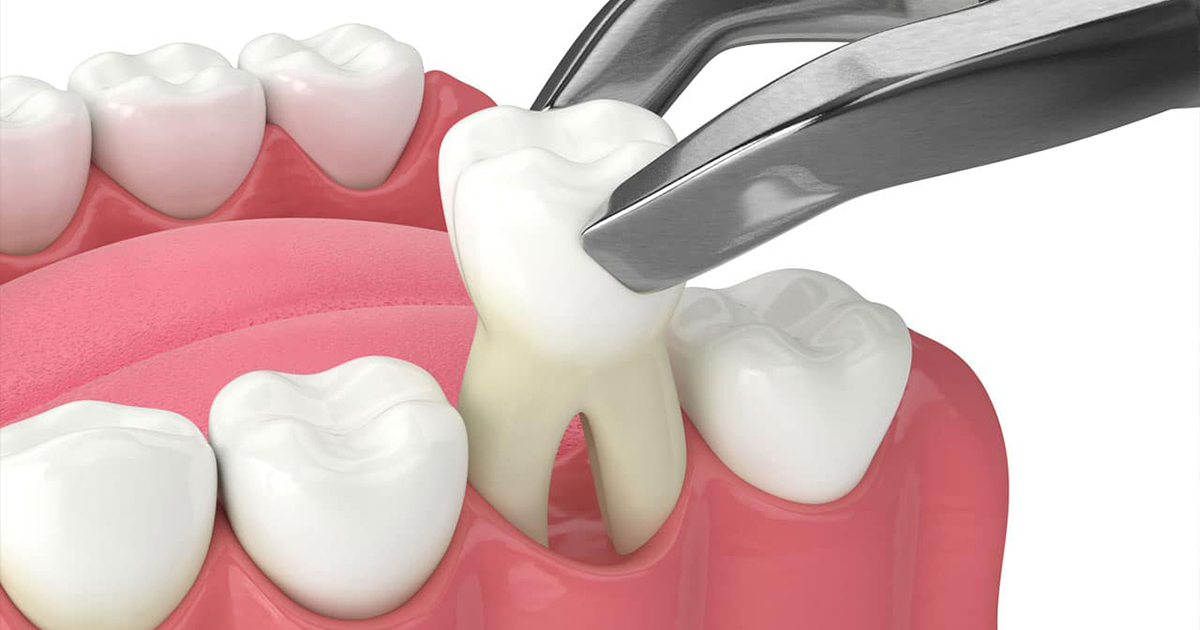
Removal is far from rare, even though permanent teeth are meant to last a lifetime. Additionally, it’s a trouble-free and safe process. To guarantee a thorough and quick recovery, there are a few procedures you must follow at home.
1. Take a break
Try to get as much sleep as you can during the 24 hours after dental surgery. Avoid doing too much exercise or physical activity, even if you feel well. Keep your head slightly up on the pillow while you’re sleeping.
2. Allow it to Heal
Give the tooth extraction site time to clot. Following the treatment, you will be given gauze to bite on. By biting into the gauze, you can maintain pressure on the wound and stop excessive bleeding.
After the gauze is removed, we recommend that patients continue to bite on it for at least an hour. But take cautious not to bite into the piece of gauze. Depending on the extent of the bleeding, continue to change the gauze every half an hour or so.
Contact your Dentist if the bleeding continues for many hours following the procedure.
3. Packs of ice
In most cases, simple tooth extractions don’t cause a lot of swelling. Use ice packs for one to two hours, 15 minutes on and 15 minutes off, to reduce the chance.
4. Avoid Smoking
At any time, but particularly in the first 48 hours after tooth extraction, smoking is discouraged. The chemical in the smoke may significantly disrupt the coagulation process. Additionally, it raises the risk of dry socket three to four days following surgery.
5. Warm Rinses with Saline
Warm saline rinses can assist maintain the cleanliness of the extraction site because brushing and flossing are not available after the procedure. Water becomes less irritating than natural water when salt is added because it becomes isotonic like the fluid found in natural tissues. To keep the wound clean and hygienic, it is best to begin rinsing after twelve hours.
6. Steer clear of solids
Following the extraction process, limit your intake to liquids like milkshakes, smoothies, and soups or soft meals like mashed potatoes. You can resume eating solid foods as the numbness subsides and you can feel your jaw again. Avoid sucking beverages using a straw.
7. Steer clear of aspiri
Aspiri thins the blood. The healing process is delayed because thinned blood takes longer to clot. Follow your dentist’s prescription exactly, and speak with them before taking any additional medications.
8. Adhere to your doctor’s prescription
Any prescriptions for antibiotics, painkillers, or anti-inflammatory drugs should be used exactly as directed. Take the entire prescribed amount.
Even if you are no longer in pain, do not stop taking the prescription in the middle. You should see your Dentist if the pain lasts more than two days or if bleeding begins.
9. Don’t Try to Fill the Gap
It will likely take a few days for you to adjust to the sensation of a gap. But don’t use your tongue or toothpicks to prod the hole. A dry socket, bleeding, or delayed healing might result from prodding.