The safety, or lack thereof, of amalgam fillings has to be one of the most popular themes of internet dental conversations.
This debate is brought on by the fact that amalgam is a mixture of metals containing 50% mercury, a liquid metal with a reputation for being extremely hazardous to nerve and brain tissue.
The risk of health issues is that mercury could leak out of the fillings.
Amalgam fillings have a lengthy history; they became widely used around 200 years ago. The material was widely accepted in dentistry since it was affordable, easy to use, and sturdy enough to withstand chewing pressures.
However, from a clinical standpoint, amalgam fillings have a few lesser-known drawbacks:
1. Amalgams damage teeth.
The fact that amalgam fillings drastically weaken the teeth they are in is a serious issue. The tooth weakens as the filling gets bigger and older. Many amalgam-filled teeth eventually experience major structural fissures right next to the fillings as a result of years of use.
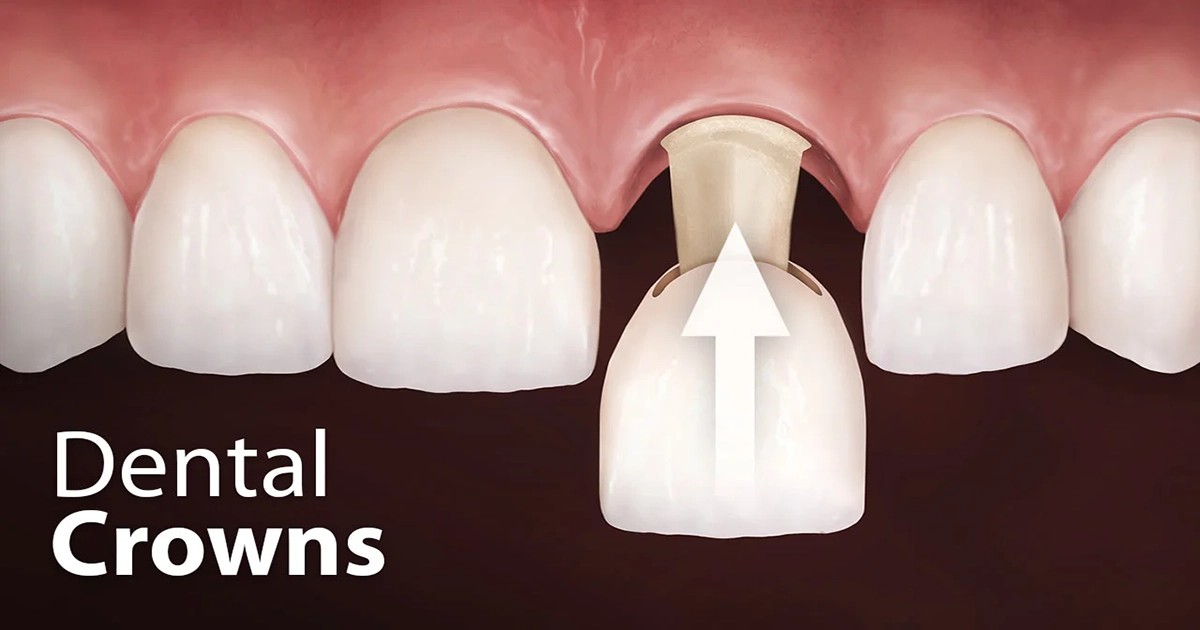
We see cases of amalgam fillings that have shattered teeth every day, and the restorations are frequently extensive care involving crowning, root canal therapy, or implant replacement if the tooth cannot be saved.
2. More teeth will be impacted when using amalgam fillings.
Because amalgam doesn’t adhere to tooth structure, it needs to be sufficiently bulky to be retained and to withstand fracture. Because of this, amalgam fillings typically require the loss of good tooth structure in order to achieve retention and volume.
The safety, or lack thereof, of amalgam fillings has to be one of the most popular themes of internet dental conversations.
This debate is brought on by the fact that amalgam is a mixture of metals containing 50% mercury, a liquid metal with a reputation for being extremely hazardous to nerve and brain tissue.
The risk of health issues is that mercury could leak out of the fillings.
Amalgam fillings have a lengthy history; they became widely used around 200 years ago. The material was widely accepted in dentistry since it was affordable, easy to use, and sturdy enough to withstand chewing pressures.
Numerous international health authorities have regularly examined the health dangers of amalgam.
However, from a clinical standpoint, amalgam fillings have a few lesser-known drawbacks:
3. Leaky amalgam fillings lead to repeated deterioration.
There is a tiny space between the amalgam filling and the tooth because it is not connected to the tooth structure. This creates a conduit for germs and nutrients to enter the interior of the tooth and restart the decaying process. Even while the deterioration process is frequently gradual, it can eventually do serious harm. Most of the amalgam fillings we remove have deterioration underneath them.
4. Amalgam looks bad
Everyone dislikes having a black tooth, and amalgam has a black appearance. As the metal corrodes, amalgam fillings can also stain or tattoo the remaining tooth structure, which not only makes the surrounding tooth appear grey.